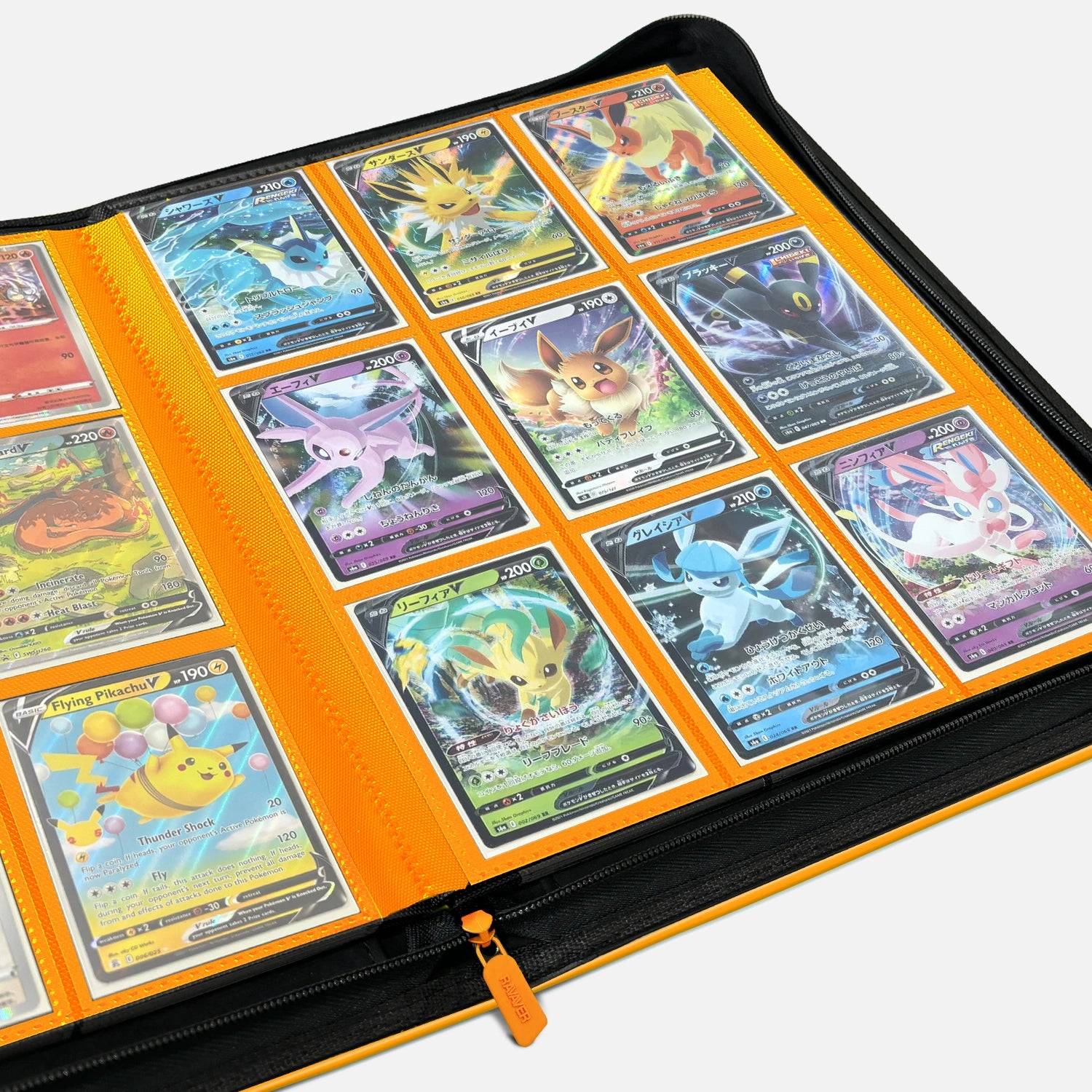
In the U.S. collectibles market, Pokémon card grading affects how cards are stored, traded, and resold. A graded card carries an independent opinion on condition, presented in a sealed holder with a label. Buyers use that label to compare cards across marketplaces, while sellers rely on it to set expectations.
This guide focuses on four companies that shape most pricing and trust decisions in the United States: PSA, Beckett, CGC, and SGC. Smaller graders exist and remain active, but their influence on Pokémon resale markets stays limited.

PSA and market familiarity
Among U.S. collectors, PSA has become the most recognized name in Pokémon grading. That recognition did not come from marketing language but from long-term visibility in auctions, price guides, and large marketplaces. When buyers scroll through listings, PSA slabs appear often, which builds familiarity. Familiarity reduces friction. Buyers know what a PSA label looks like and how sellers usually price it.
Resale markets tend to treat PSA-graded Pokémon cards as a baseline. A PSA grade gives buyers a shared reference point, even when they disagree on condition. This effect shows up clearly on platforms that track public sales, such as PSA’s own auction archive and market data tools like GoCollect. The trust here comes less from perfection and more from consistency. Over time, repeated exposure creates confidence.
Collectors who focus on long-term holding often choose PSA because the label remains easy to resell later. That choice reflects market behavior, not a claim of higher technical accuracy.

Beckett Grading Services (BGS) and detail-focused trust
Beckett approaches grading differently. Its reputation comes from granularity. BGS labels show subgrades for corners, edges, surface, and centering. For some Pokémon collectors, that breakdown matters more than the final number. It allows buyers to see why a card received a grade.
Because of this structure, Beckett slabs often appeal to collectors who study condition closely. In resale situations, BGS cards may attract fewer casual buyers, but they often hold attention among experienced traders. The presence of subgrades supports deeper price discussions, especially for high-end or vintage Pokémon cards.
Market behavior reflects this nuance. Some buyers actively seek BGS-graded cards, while others avoid them due to visual preference or pricing complexity. Neither reaction signals quality or lack of it. It shows how presentation influences collector trust.
Official grading standards and company background remain available at
Beckett,which many collectors reference when comparing grading philosophies.

CGC and consistency across collectibles
CGC entered Pokémon grading after establishing a reputation in comics and other collectibles. That background shapes its market image. Collectors familiar with CGC outside trading cards often bring existing trust into Pokémon purchases.
CGC emphasizes consistent labeling and transparent grading criteria. Its slabs use a clean layout, which appeals to collectors who value uniform presentation in storage or display. In resale markets, CGC-graded Pokémon cards often trade smoothly when buyers already understand the CGC brand.
Some sellers prefer CGC for modern cards, especially when targeting buyers who collect across categories. The resale value impact depends heavily on buyer familiarity. As with PSA and Beckett, pricing behavior follows recognition patterns rather than technical arguments.
Further information on grading standards appears directly on CGC’s site at https://www.cgccomics.com, where Pokémon-specific guidelines are publicly available.

SGC and selective adoption
SGC remains better known in sports cards, yet its presence in Pokémon grading continues to grow. Among Pokémon collectors, SGC often signals careful grading with a straightforward label. The black insert design stands out visually, which some buyers like and others avoid.
In resale contexts, SGC-graded Pokémon cards can perform well when buyers already trust the brand from other categories. For newer collectors, the label may require explanation. That extra step influences liquidity, not grading integrity.
SGC’s standards and background are documented at https://www.gosgc.com, which sellers often link when listing Pokémon cards to support buyer confidence.

Smaller grading companies in context
Other grading services operate in the market, including regional and newer companies. They may offer faster turnaround or lower fees. However, resale markets treat these labels cautiously. Limited exposure leads to limited pricing benchmarks. Buyers hesitate when they lack reference data, especially for higher-value Pokémon cards.
This does not imply lower grading skill. It reflects how shared market language develops. Without broad adoption, price discovery slows.

Grading, resale value, and buyer behavior
Across all companies, graded Pokémon cards sell based on recognition, clarity, and comparability. Buyers scanning listings want to reduce uncertainty. A familiar slab does that. When uncertainty drops, transactions move faster.
Terms like population report, surface wear, and centering tolerance appear often in discussions, yet most buyers do not analyze them deeply. They respond to patterns they have seen before. That behavior explains why certain graders dominate resale conversations without needing promotional claims.
For collectors who store raw cards in binders, grading still matters indirectly. Market prices for graded cards influence raw card expectations. Even without submitting cards, understanding grading reputations helps buyers and sellers interpret listings more accurately.
Choosing a grading company, or choosing not to grade, depends on goals. Storage, resale timing, and audience all play roles. What stays consistent is how strongly market perception shapes outcomes.