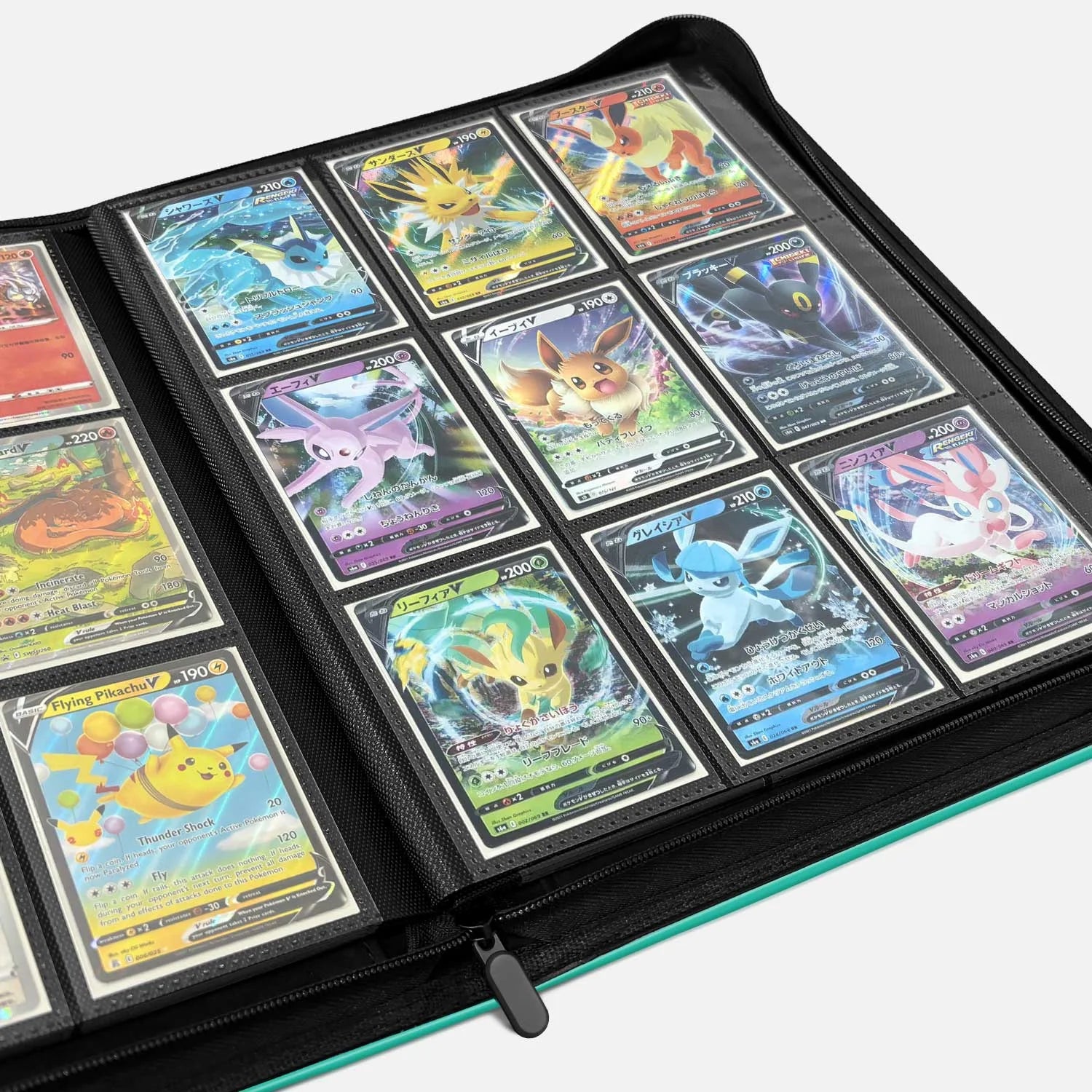
A stack of Pokémon cards often starts with one pack. Then another follows. Soon, questions come up. Which cards belong together? What does “complete” really mean? Many new collectors run into the phrase Pokémon Master Set early on and feel unsure what it covers. This guide breaks it down in plain terms, step by step, without assuming prior experience.

What Is a Pokémon Master Set?
A Pokémon Master Set includes every card released in a single Pokémon card set, covering all standard versions and recognized variations. That usually means each numbered card plus additional versions such as reverse holofoils and secret cards. Collectors use this term to describe a set that leaves nothing out.
Unlike casual collecting, a master set follows a checklist and a clear boundary. One expansion. One goal. Everything inside it.

Master Set vs Complete Set
Many beginners confuse a master set with a complete set. The two overlap but are not the same.
A complete set usually includes one copy of every card with a set number. A master set goes further. It adds variations that share the same number but differ in finish or print style. This difference matters when following community standards or using published checklists.
Collectors discussing set completion on platforms like TCGplayer often assume the master set definition unless stated otherwise. The distinction avoids confusion when trading or comparing progress.

What Cards Are Included in a Master Set?
A master set normally includes the following card types from one expansion:
-
Common cards
-
Uncommon cards
-
Rare cards
-
Holofoil cards
-
Reverse holo cards
-
Ultra Rare cards
-
Secret Rare cards
Some modern sets also include promo-style cards tied directly to the expansion. Whether those belong in a master set depends on how the checklist defines the set scope.
For official card lists, collectors often refer to the Pokémon Trading Card Game section on the official Pokémon website or set databases on sites like Bulbapedia, which document variations clearly.

Why Do Collectors Build Master Sets?
A master set provides structure. Each card has a place, and progress is measurable. For beginners, this approach prevents random buying and repeated duplicates. For experienced collectors, it offers a way to focus on one release at a time.
There is also a learning benefit. By completing a master set, collectors become familiar with rarity symbols, print patterns, and release formats. Over time, spotting a missing reverse holo becomes easier than reading a checklist line by line.
Some collectors ask: does a master set increase value? Value depends on market demand, condition, and timing. The master set concept itself defines completeness, not price.

How to Start a Pokémon Master Set
Starting small helps. Choose one modern expansion with cards still in circulation. Recent sets are easier to complete because singles remain widely available.
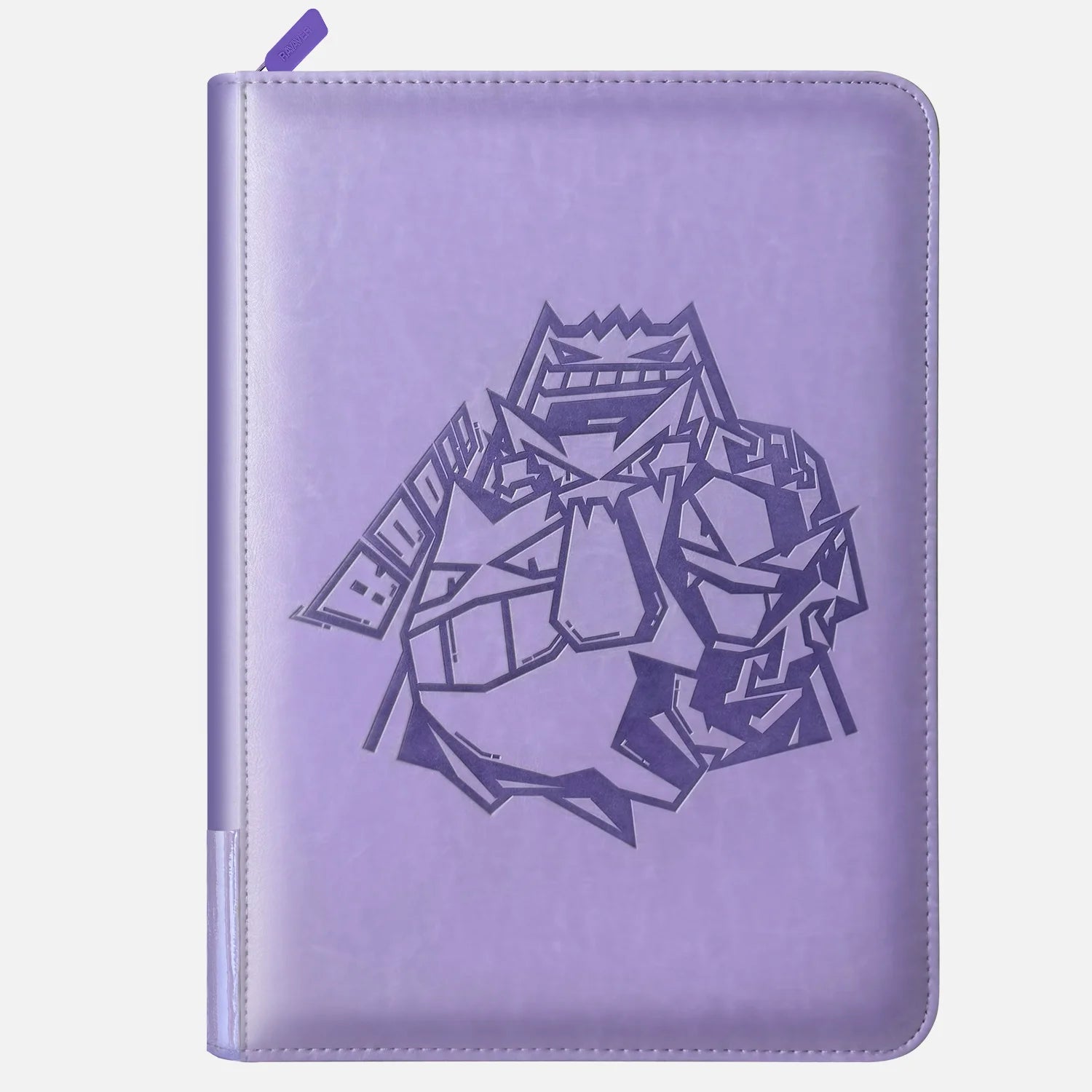
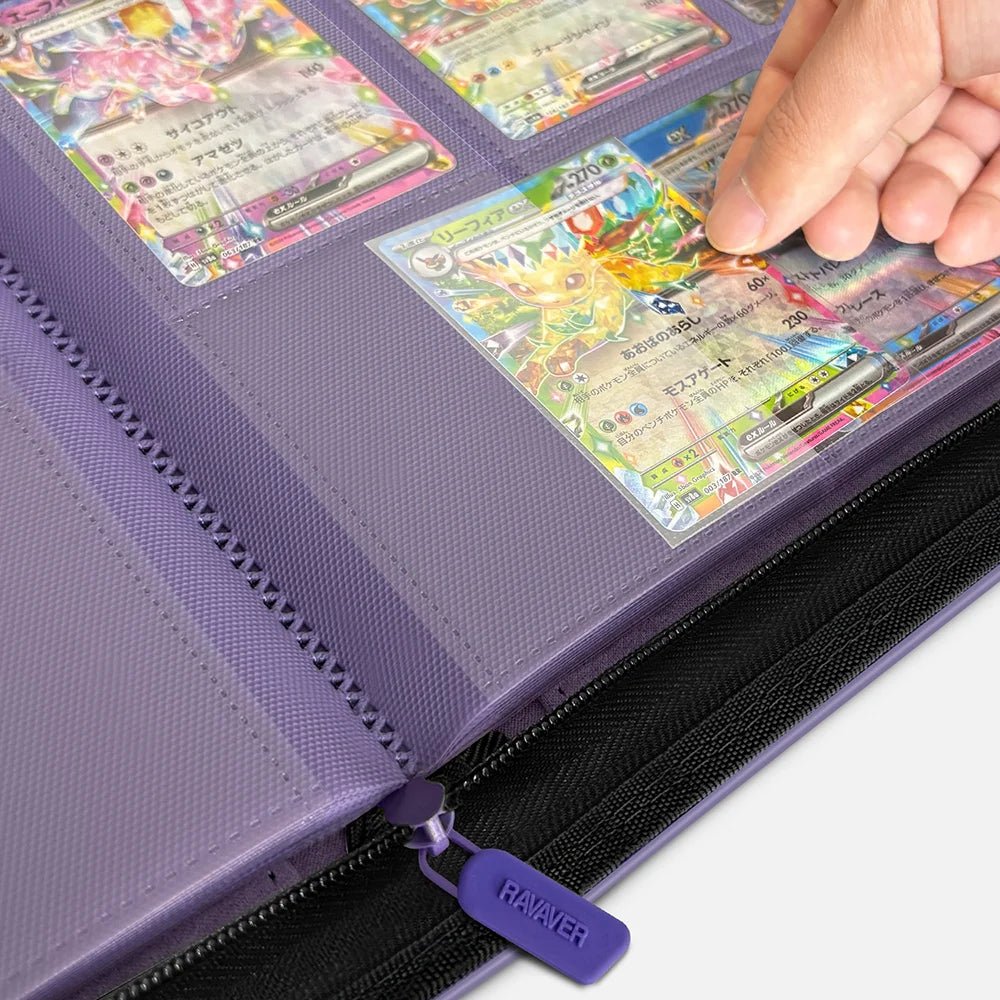
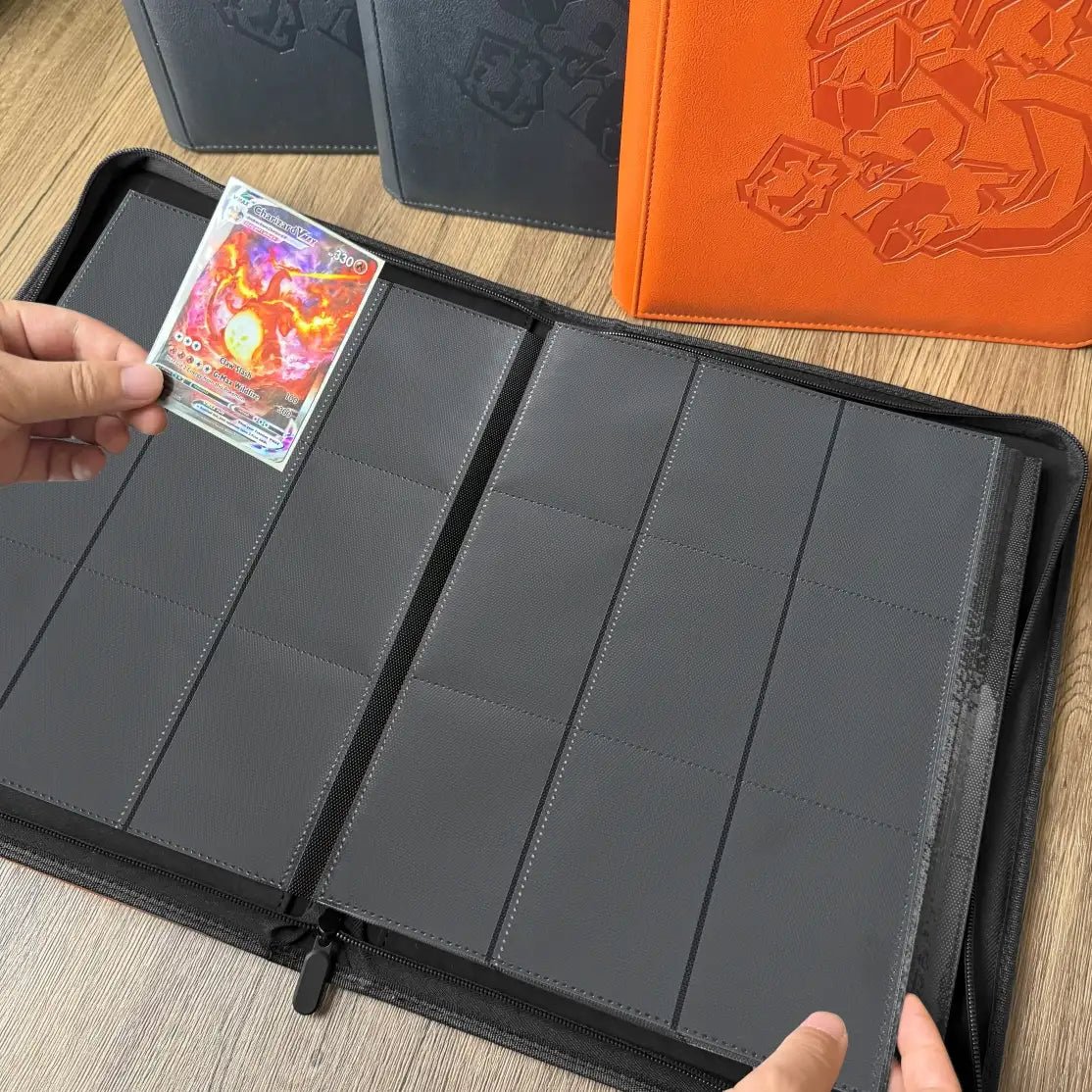
Use a checklist from a reliable source such as Pokellector or the official Pokémon TCG database. Track progress card by card. Sleeves and binders sized for standard trading cards keep everything visible and organized.
Buying booster packs introduces randomness. Singles purchases help fill gaps later. Many collectors combine both methods once duplicates pile up.

Common Mistakes Beginners Make
New collectors often mix cards from different expansions without realizing it. Each set has a symbol near the card number that identifies its origin. Ignoring that symbol leads to mismatched collections.
Another mistake involves overlooking reverse holo versions. These cards look similar to standard prints but use a different foil pattern. Missing them keeps a set from reaching master status.
Some also assume every shiny card is rare. Rarity depends on the symbol and card type, not the finish alone.

Are Older Pokémon Master Sets Different?
Older sets follow the same logic but can be harder to define. Early expansions used different printing practices, and documentation may vary between sources. When working with vintage cards, collectors often agree on a checklist before labeling a set as complete.
Community forums and archived set lists help clarify expectations. Consistency matters more than strict perfection when standards vary.

Is a Pokémon Master Set Right for You?
Ask a simple question. Do you enjoy checking off lists and finishing defined projects? If yes, the master set approach fits well. If variety matters more than completion, casual collecting may feel more natural.
Either way, understanding the Pokémon Master Set concept helps navigate discussions, trades, and set listings with confidence. Even collectors who never finish one benefit from knowing what the term means.
As you sort through cards and notice missing variations, the process becomes clearer. One set at a time. One checklist. Progress you can see.

Wrapping Up
Collecting Pokémon cards works best when the goal is clear and the scope stays manageable. A master set gives structure, a defined finish line, and a way to understand how each card fits into a release. Take it at your own pace, adjust the rules when needed, and keep the process enjoyable — happy collecting.