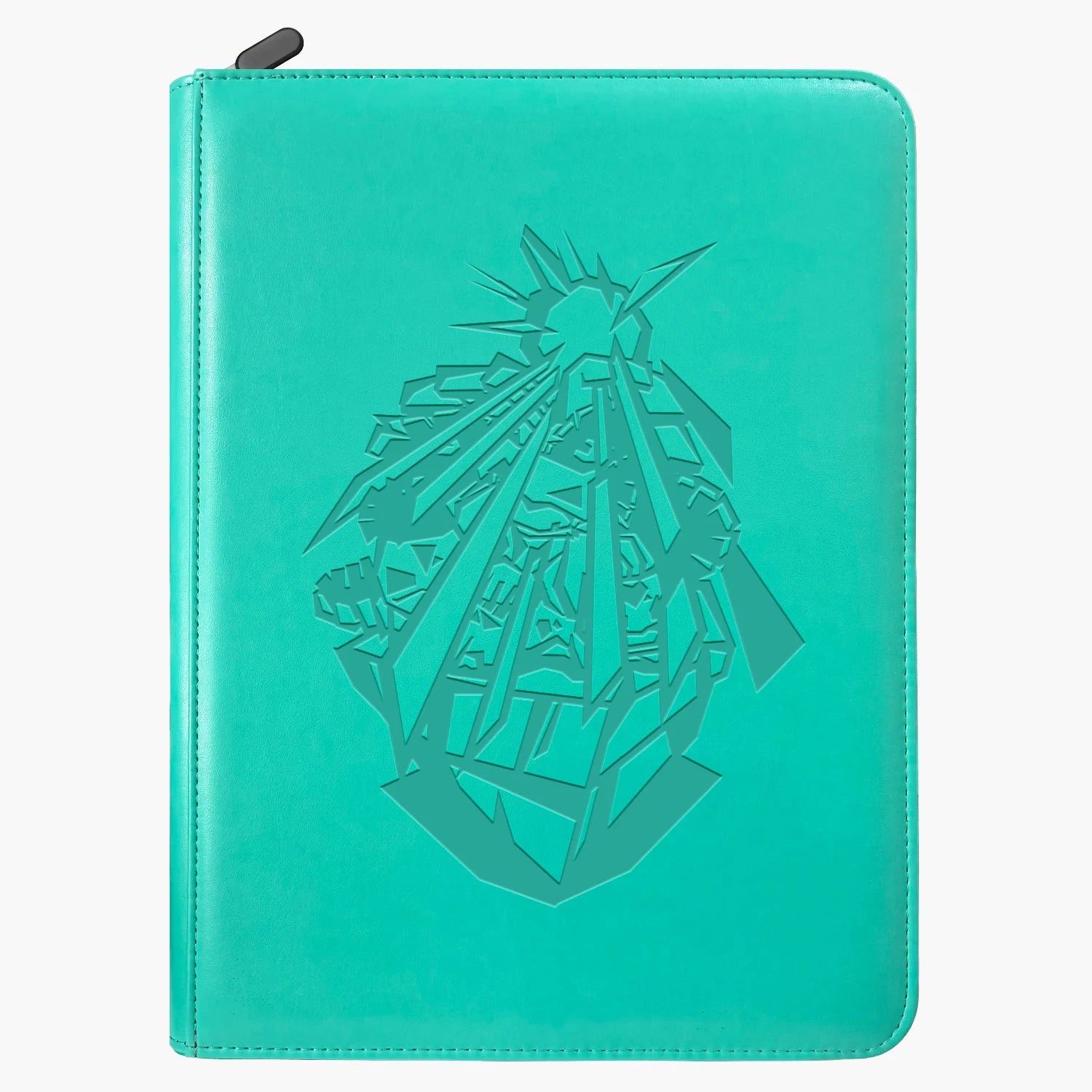
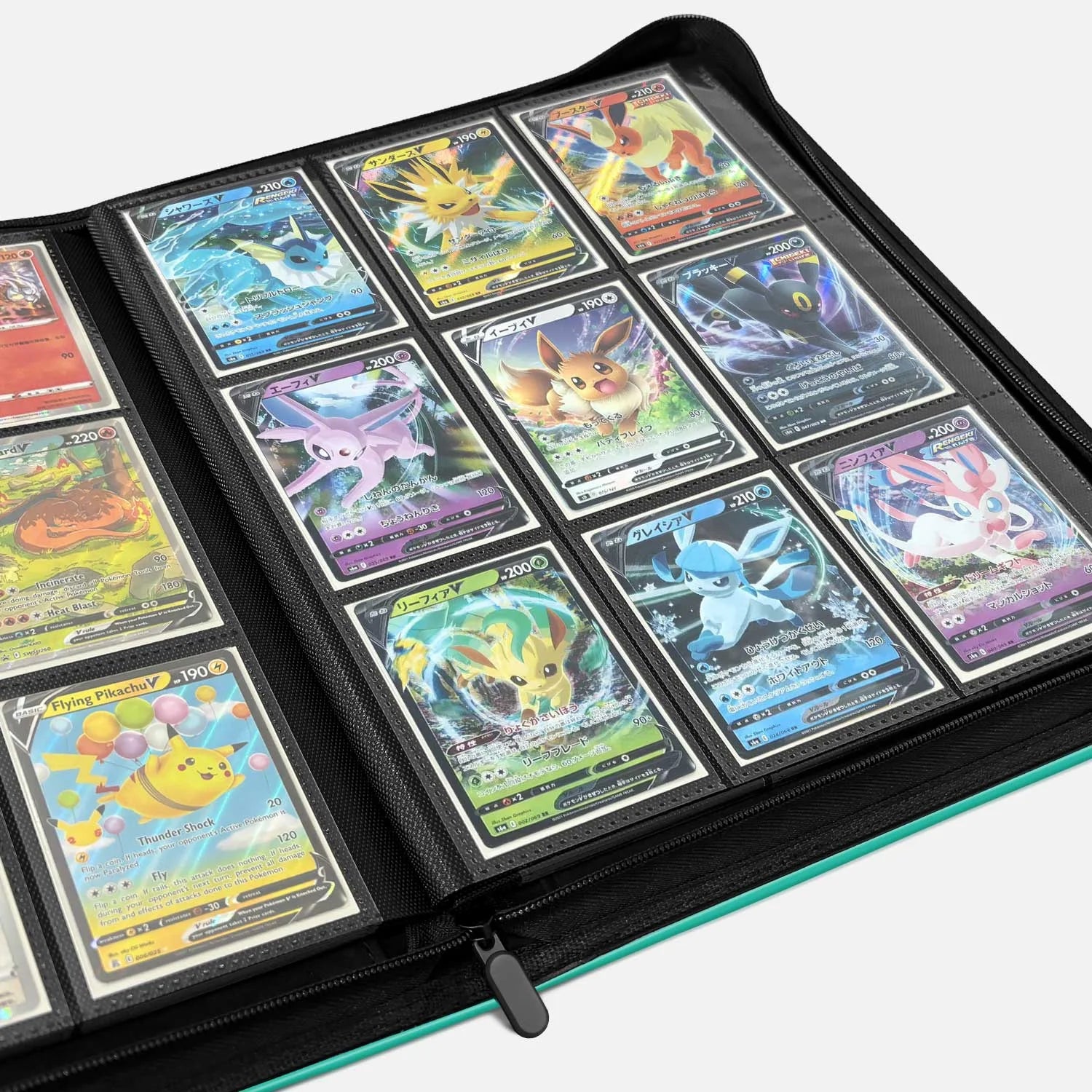
Card collecting often starts with a simple question. How should cards be stored so they stay clean and readable over time? Many beginners hear the term Toploader binder and feel unsure what it means or why it exists. This guide explains the idea in clear language and shows how this option fits into modern trading card storage.

Understanding the basic idea
A toploader binder is a binder designed to hold cards that are already placed inside a toploader. A toploader is a rigid plastic holder made to keep a single card straight and shielded from bending. These holders are common in card shops and at trade events because they add structure without sealing the card permanently.
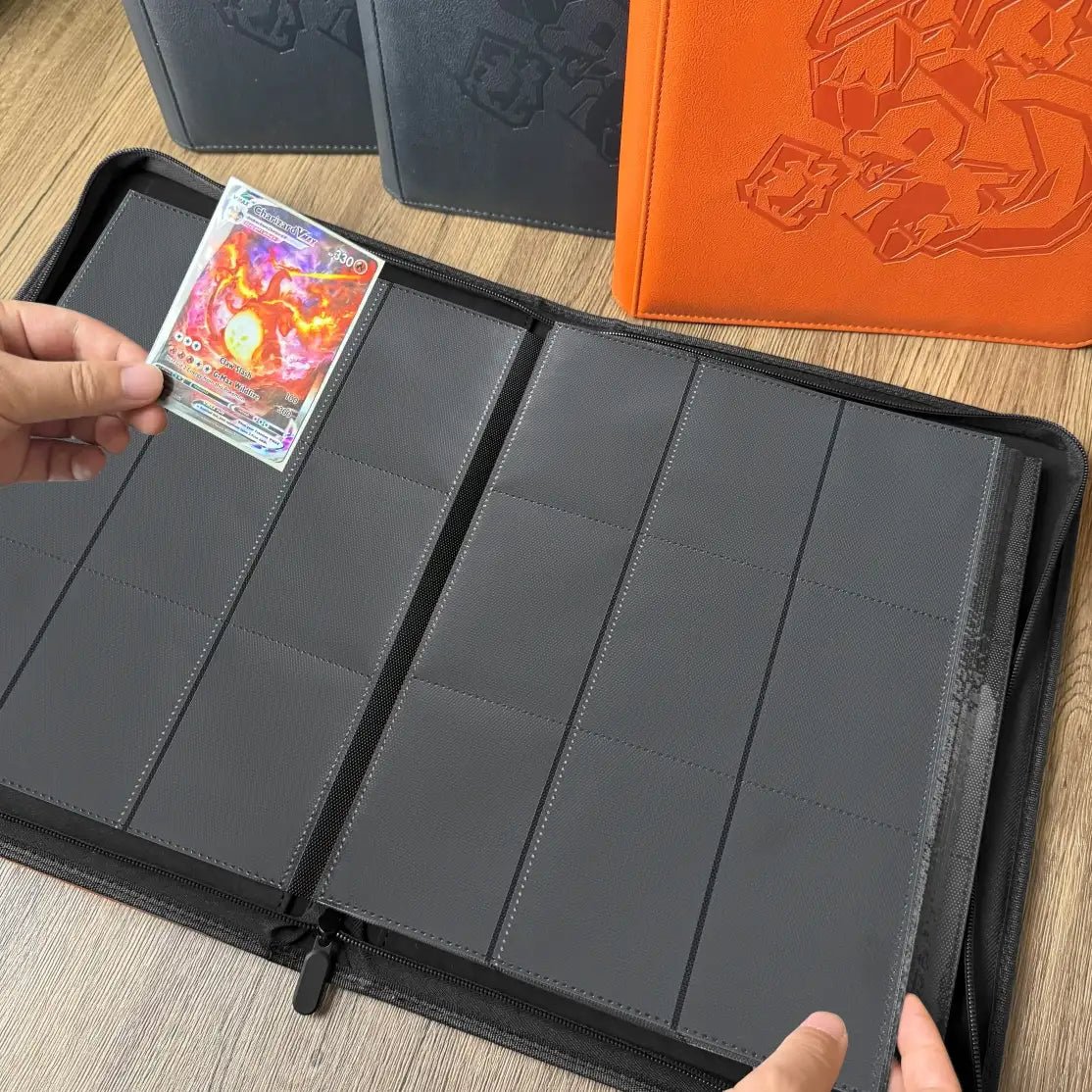
Unlike loose stacks or boxes, a binder lets cards be viewed page by page. The difference here lies in size and purpose. A toploader binder uses pages with wider pockets so that each slot fits a card inside its hard case.
If you have seen binders that only work with thin pages, those belong to a different category.

How a toploader binder differs from a regular binder
A standard card binder usually holds raw cards or cards inside thin sleeves. These binders often use nine-pocket layouts and flexible pages. They work well for sorting sets, duplicates, or lower-risk cards.
A toploader binder changes that structure. The pages are thicker, and the pockets are deeper. This allows space for both the card and its protective shell. Because of that design, fewer cards fit on each page.
This difference affects how collectors organize their collections. A standard binder favors quantity and easy flipping. A toploader binder favors separation and stability.

Why collectors choose this format
Some collectors want to store cards while still being able to view them without removal. Others prefer not to stack top loaders in boxes, where edges can rub or shift. A binder creates a fixed position for each card.
This format also supports consistent spacing. Each card stays upright and flat when the binder is closed. Over time, this reduces pressure on corners compared to loose storage.
The goal here is card protection, not display flair. The pages are functional, and the experience stays focused on access and order.

How to prepare cards before inserting them
Before placing a card into a toploader binder, the card should go into one layer of soft protection. Most collectors use card sleeves, often called penny sleeves, before adding the hard holder. The soft sleeve limits surface contact and reduces friction when sliding the card into the rigid shell.
After the card sits securely in the toploader, the entire unit goes into the binder pocket. This two-step method is widely discussed in hobby education resources such as PSA’s card care articles on psacard.com and Beckett’s storage guides on beckett.com.
Skipping the sleeve can increase the chance of surface marks over time, especially when cards are removed and reinserted.

Comparing binder page styles
Not all binder pages load cards the same way. Some pockets open from the top, while others use side-loading designs. Side-loading pockets reduce the chance of cards slipping out when pages turn, especially when binders are handled often.
With toploader binders, page thickness matters more than loading direction. Thicker binder pages help maintain shape and reduce page sag. This keeps cards aligned and avoids stress along the pocket seams.
When browsing options, many collectors compare page depth and seam strength rather than brand names or materials.

Use cases for different collectors
A toploader binder suits collectors who keep selected cards together rather than full sets. It also works well for showcasing trade-ready cards in a controlled format.
For those building archives or personal collections, this approach supports long-term storage while keeping cards visible. It does not replace boxes or graded slabs, but it fills a middle space between the two.
Ask yourself a simple question while choosing storage. Do you want fast viewing, or compact stacking? The answer often points toward or away from this binder type.

A toploader binder is not required to enjoy collecting. It exists as one tool among many. Knowing what it does makes it easier to decide whether it fits your collection and how you want to care for it over time.