Pokemon ETB vs Booster Bundle vs Booster Box: Which Has the Best Sealed ROI in 2026?
Walk into any local card shop in 2026 and you'll see the same wall: Elite Trainer Boxes stacked beside Booster Bundles beside Booster Boxes, all priced like they're roughly equivalent. They are not. Cost-per-pack varies by 30-40% across these three formats, hold value diverges sharply over a 3-5 year window, and the right pick depends on whether you're ripping for chase cards, hedging for sealed appreciation, or just buying gifts. This guide runs the numbers using current 2026 retail pricing and historical sealed product appreciation data, and tells you exactly which format wins for which goal.
Key Takeaways
- Booster Boxes deliver the best cost-per-pack value at $3.60-4.40 per pack, roughly 30-40% cheaper than ETBs at $5.00-6.50 per pack.
- ETBs hold value better as percentage gains because they are never reprinted once the print run is exhausted.
- Booster Bundles are not investment products. Lower liquidity, weaker collector demand, and higher cost-per-pack make them a casual ripping format only.
- For 3-5 year sealed holds, out-of-print Booster Boxes have historically gained 100-300% in value, the strongest documented ROI of the three formats.
- The right format depends on goal: ripping value (Booster Box), display and gift appeal (ETB), low-commitment opening (Bundle).

What's Actually Inside Each Sealed Format?
An Elite Trainer Box, Booster Bundle, and Booster Box are three distinct sealed Pokemon TCG products with different pack counts, accessories, and price points. Understanding what each contains is the first step to comparing their economics.
Booster Box. Contains 36 booster packs from a single set. No promo card, no accessories, just packs. MSRP runs $144-160 depending on the set, putting cost per pack in the $4.00-4.40 range. This is the format competitive players, chase-card hunters, and sealed product investors buy.
Elite Trainer Box. Contains 9 booster packs from a single set, one promo card, 65 card sleeves, 6 damage-counter dice, a coin-flip die, two condition markers, a player's guide, and a collector's box that holds roughly 400 sleeved cards. MSRP runs $50-60, putting cost per pack at roughly $5.50-6.50 if you value the accessories at zero.
Booster Bundle. Contains 6 booster packs in a small open-top display tray. No accessories, no promo, just packs. MSRP is typically $30-35, putting cost per pack around $5.00-5.80. The bundle is the gateway product designed for casual buyers who want to crack a few packs without committing to a full ETB or box. Official set details and product breakdowns are published on Pokemon's official TCG site.
The 2026 Cost-Per-Pack Math
Cost per pack is the single cleanest comparison metric for sealed products if your goal is opening packs. The math is simple: divide MSRP by pack count. The interesting result is how dramatically the three formats diverge.
| Format | MSRP | Pack Count | Cost Per Pack | Accessories |
|---|---|---|---|---|
| Booster Box | $144-160 | 36 | $4.00-4.40 | None |
| Elite Trainer Box (ETB) | $50-60 | 9 | $5.50-6.50 | Sleeves, dice, promo, storage box |
| Booster Bundle | $30-35 | 6 | $5.00-5.80 | None |
The Booster Box wins on raw cost-per-pack by a wide margin. Three ETBs cost roughly $150 and yield 27 packs, while one Booster Box at the same outlay yields 36 packs. That's a 33% pack count uplift for equivalent dollars before considering ETB accessories. Casual buyers who only want to open a handful of packs gravitate to bundles, but any collector buying for the cards themselves should be looking at boxes.
Which Format Holds Value Best Long-Term?
Sealed product appreciation does not follow cost-per-pack logic. It follows scarcity logic, and the three formats have very different scarcity profiles.
Booster Boxes are the most consistent appreciator. TCGplayer's market data shows out-of-print booster boxes from popular Scarlet & Violet era sets gaining 100-300% over 3-5 years post-release. The historical pattern is consistent: heavy print runs cap upside in the first 12-18 months, then production stops, retail supply drains, and prices begin a multi-year climb. Sealed Evolving Skies boxes, Hidden Fates tins, and Crown Zenith ETBs all followed this pattern.
ETBs hold value differently. They appreciate slower in absolute dollar terms but often outperform Boxes on a percentage basis because the print run is smaller and the format is never reprinted. Once an ETB sells through retail, no more are made. The promo card, the sleeves, and the collector's box itself become the scarcity drivers, not just the packs inside. Sealed Hidden Fates ETBs, originally $40 retail, traded at $300-450 sealed by 2024.
Booster Bundles do not appreciate meaningfully. Lower print run scarcity, weaker collector demand for the format, and higher cost-per-pack relative to boxes mean Bundles trade flat or marginally up over multi-year holds. Buying Bundles as an investment vehicle is the most common mistake new sealed product investors make.

How to Pick the Right Format for Your Goal
The format question collapses to one earlier question: what are you actually trying to do? Three goals, three answers.
Goal 1: Maximize chase card hits per dollar spent. Buy Booster Boxes. Cost per pack is the dominant variable when you're hunting hits, and 36 packs gives you roughly 4x the SIR pull odds of a single ETB at less than 3x the cost. The Stellar Crown Terapagos ex SIR pulls at roughly 1 in 540 packs per TCGplayer Infinite's tracked data, so opening volume matters far more than format presentation when the goal is hits.
Goal 2: Display, gifting, or first-Pokemon-product purchase. Buy ETBs. The accessory bundle, the collector's box, and the promo card make ETBs the right gateway product for new collectors and the right gift for kids and casual fans. Three ETBs from three different sets is also a stronger collection-building strategy than one booster box from one set when variety matters.
Goal 3: Long-term sealed investment hold. Buy Booster Boxes for absolute returns, ETBs for percentage returns. The optimal sealed portfolio holds both: boxes from heavily anticipated mainline sets (where mass demand drives 5-year appreciation), ETBs from sets with iconic chase cards or unique promos (where smaller print runs drive ETB-specific scarcity). For the broader framework on which 2026 sets are worth holding sealed versus ripping for graded chase cards, see our modern chase card investment guide.
The Storage Question Most Sealed Investors Ignore
Sealed product is only investment-grade if it stays sealed and pristine. The most common failure mode is not market downturns. It's storage damage, plastic shrinkwrap discoloration, or accidental scuffing that turns "sealed mint" into "sealed but not gradeable" for sealed-graded markets like CGC's sealed product service.
Booster Boxes need climate-stable storage with minimal handling. Vertical stacking on shelves works for short holds, but multi-year holds benefit from individual storage with bubble wrap or original shipping cases. ETBs are more vulnerable because the cardboard outer shell takes scuff damage easily. Bundle trays warp from temperature swings.
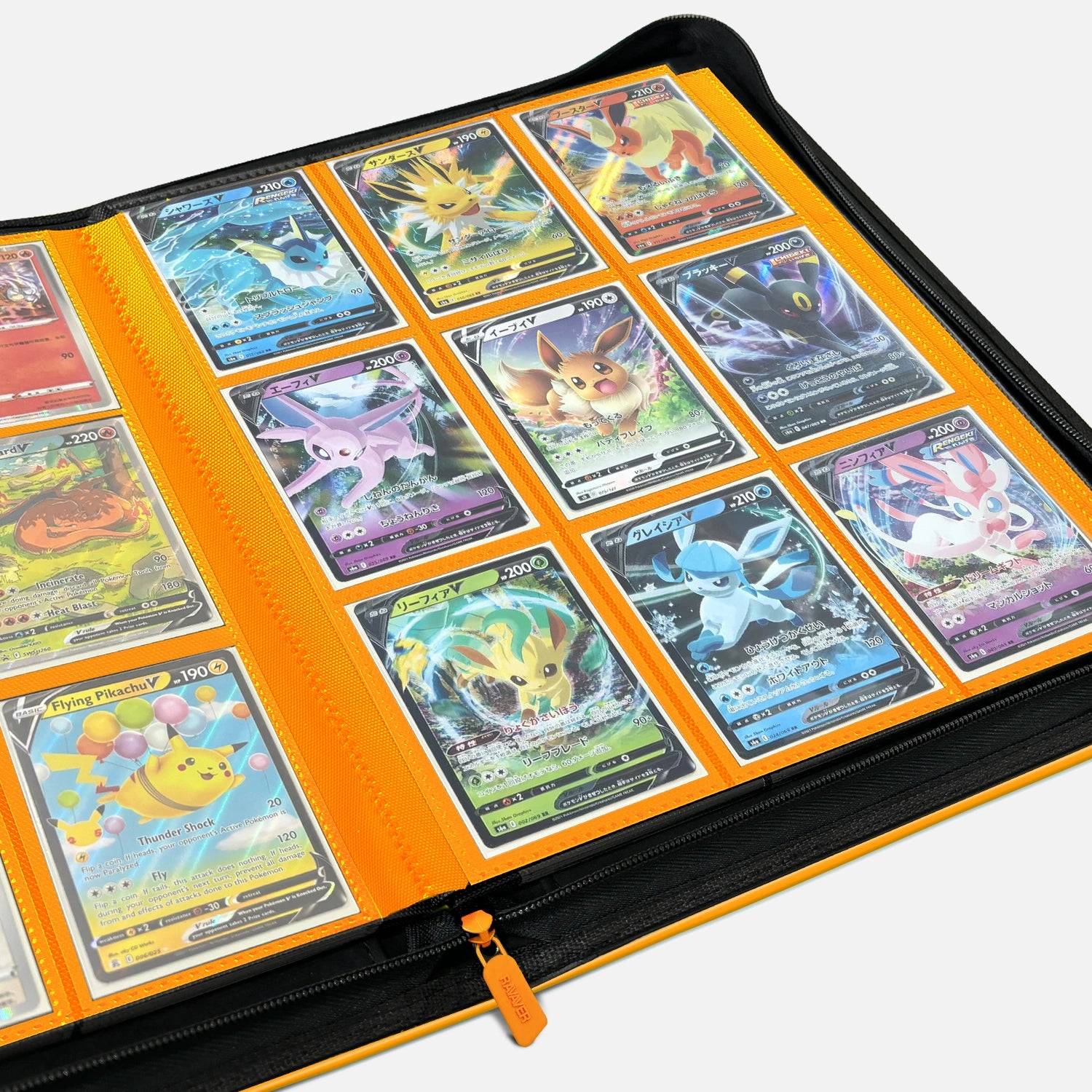
If you're holding any of these for a 3-5 year sealed appreciation thesis, treat them like collectibles, not toys. Avoid sunlight exposure, keep humidity under 50%, and don't move them between locations more than necessary. Loose cards from opened packs deserve their own protection plan, covered in our card protection guide, and a quality card binder for the chase pulls you do hit from sealed product.
Frequently Asked Questions
Are Pokemon Booster Boxes a good investment in 2026?
Sealed Booster Boxes from out-of-print mainline Scarlet & Violet sets have historically gained 100-300% over 3-5 year holds, making them the strongest documented sealed investment format. The thesis depends on the set staying out of print and demand persisting, neither of which is guaranteed. Buy boxes from sets with iconic chase cards and avoid boxes from sets dominated by competitive-only Pokemon.
Is an Elite Trainer Box worth more than a Booster Box?
On absolute dollar terms, no. A Booster Box almost always sells for more than a single ETB because it contains four times the packs. On a percentage appreciation basis, sealed ETBs from popular sets often outperform sealed Booster Boxes because ETBs are never reprinted, creating natural scarcity once retail stock sells through.
Should I buy a Booster Bundle for investment?
No. Booster Bundles have lower liquidity, weaker collector demand, and higher cost-per-pack than Booster Boxes. They are designed as casual ripping products for entry-level buyers, and they do not hold value the way Booster Boxes or ETBs do. Anyone considering Bundles for investment should buy Booster Boxes instead.
How much does a Pokemon Booster Box cost in 2026?
Pokemon Booster Box MSRP in 2026 ranges from $144 to $160 for standard mainline Scarlet & Violet era sets. Special sets and limited releases can push higher. Cost per pack at MSRP works out to $4.00-4.40, roughly 30-40% cheaper per pack than ETBs and Bundles.
What's the best Pokemon sealed product to buy for ripping packs?
Booster Boxes are the strongest format for ripping value because they deliver the lowest cost per pack and the highest pack count, which translates to the best chase card pull odds per dollar. ETBs make sense for variety across multiple sets. Bundles are best left for casual one-off purchases rather than serious ripping.
Your Next Step
If you're investment-curious about sealed Pokemon product, start with one Booster Box from a mainline set you'd be happy to hold for 36+ months even if prices fall first. If you're buying gifts or starting a casual collection, an ETB delivers the best presentation and gateway experience for the dollar. Skip Bundles unless you're a casual buyer who wants to open six packs and move on.
Sources: