The 2021 Pokemon investment boom produced a generation of collectors who learned every variance lesson the equity markets already documented in the 1970s. Concentration risk. Liquidity traps. Reprint dilution. Authentication overhead. The hobby blogs called these things bad luck. Portfolio theory calls them structural variables and tells you exactly how to size around them. A $2,000 budget allocated correctly across sealed, raw singles, and graded slabs in 2026 produces a different return profile than the same $2,000 dumped into one chase card. The framework is simple. The discipline is harder.
Key Takeaways
- Pokemon cards are not one asset class, they are three: sealed product behaves like a fixed-income asset, vintage graded singles behave like blue-chip equity, modern raw singles behave like growth equity with high variance.
- The XY Base Set Booster Box price crossed $4,000 in October 2025 (TCGplayer), demonstrating long-tail compounding for the lowest-volatility tier of the portfolio.
- For a $2,000 starter portfolio in 2026, a 50/30/20 allocation across sealed, vintage graded, and modern singles balances return potential against liquidity and authentication risk.
- Position sizing matters more than picking winners. No single card or single sealed product should exceed 25% of total Pokemon allocation regardless of conviction.
- Rebalance annually by net worth check rather than constantly trading. Pokemon transaction costs (grading, shipping, platform fees) crush portfolios that turn over more than once a year.

Why treat Pokemon cards as a portfolio at all?
Single-card investing is gambling with extra steps. Pokemon collectors who put 80% of their hobby budget into one Charizard, one Umbreon VMAX alt art, or one sealed Crown Zenith case ran the same risk profile as someone holding 80% of retirement savings in one stock. When that single position depreciated, the entire collection's market value collapsed regardless of how many other small holdings sat in the binder.
Portfolio theory came out of academic finance for exactly this reason. Harry Markowitz's 1952 work showed that diversification across uncorrelated assets reduces variance for a given expected return. Pokemon cards are not perfectly uncorrelated, but the three core categories carry meaningfully different return drivers. Sealed product depends on print run dynamics and reprint risk. Vintage graded singles depend on PSA population economics and brand longevity. Modern raw singles depend on chase card hype cycles and grading bet variance. A portfolio holding all three smooths returns versus a concentrated position in any one.
The three Pokemon asset classes mapped
Sealed product functions like a fixed-income instrument. Returns are predictable when print run and reprint risk are correctly assessed. Volatility is low. Holding period is long, typically 5-15 years for meaningful appreciation. Liquidity is moderate at the case level and high at the box level for popular sets.
Vintage graded singles function like blue-chip equity. PSA 10 graded Wizards-era Pokemon (1999-2003) form the closest thing the hobby has to dividend-quality blue chips. Returns compound steadily, drawdowns are shallow, liquidity through major auction houses is reliable, and authentication risk is minimal once a card is slabbed. The XY Base Set $4,000 box-level data confirms how vintage tiers compound during anniversary cycles.
Modern raw singles function like growth-tier equity. Returns can be 10x or zero. Variance is extreme. Liquidity is high during release windows and collapses outside them. Authentication risk exists. Grading bet variance compounds the risk. This is the highest-risk allocation in the portfolio and demands the most position sizing discipline.
What does a $500 starter portfolio look like in 2026?
The smallest meaningful Pokemon investment portfolio. At $500, the constraint is that grading costs eat too much of any single position to justify the modern raw singles bet. The allocation skews toward sealed and entry-tier vintage.
$300 to sealed (60%): One Phantasmal Flames Booster Box around $225 plus one Ascended Heroes Elite Trainer Box around $112 captures two recent set positions with different print profiles. Total $337 if both are bought close to the recent comp averages. Acceptable for the budget.
$150 to entry vintage graded (30%): One PSA 8 or PSA 9 of a Jungle, Fossil, or Team Rocket holographic at the $100-150 range. The lower-grade entry-tier vintage gives exposure to the blue-chip category without committing $1,000+ for premium PSA 10 holders.
$50 to modern raw (10%): Two or three modern chase cards near the entry threshold for grading economics. These are the lottery tickets. Position size acknowledges the high variance.
This $500 portfolio will not produce major absolute returns, but it builds the discipline of allocation and gives the collector practical experience across all three asset classes before they have meaningful capital at stake.
The $2,000 mid-tier allocation framework
$2,000 is where portfolio theory starts paying off in real dollar terms. The allocation widens to capture more positions per category and adds the option for grading bets on raw singles.
$1,000 to sealed (50%): One Phantasmal Flames Booster Box around $225, one Surging Sparks Booster Box around $200 if available, one mid-tier Sword and Shield era box (Crown Zenith, Brilliant Stars, or Lost Origin from secondary market) around $300, and one anniversary commemorative SKU at the $250-300 range. Four sealed positions reduces single-product reprint risk concentration.
$600 to vintage graded (30%): One PSA 9 of a non-Charizard Base Set holographic in the $400-500 range, plus one PSA 8 Jungle or Fossil holographic in the $100-150 range. The vintage allocation prioritizes liquidity by sticking with widely-recognized chase cards rather than obscure promos.
$400 to modern raw with grading bets (20%): Two or three modern chase cards in the $100-150 raw range with strong centering. Budget includes grading cost. The bet is hitting at least one PSA 9 or 10 within the lot. Even a single hit returns roughly the cost of the lot, so the rest of the lot becomes essentially free upside.
Position sizing rules that protect the $2,000 portfolio
No single position exceeds 25% of total allocation. No single set represents more than 30% of sealed allocation. No single chase card represents more than 50% of modern raw allocation. These caps prevent concentration risk from any one product cratering the portfolio when reprint announcements or market downturns hit. The 2026 sealed market already showed signs of rotation after a year-plus of boom (per TCGplayer), reinforcing the rule against overconcentration.
The $10,000 serious portfolio architecture
At $10,000, the portfolio gains the ability to hold premium PSA 10 vintage, build sealed positions across multiple eras, and run multiple grading bets simultaneously without single-position risk dominating returns.
$4,500 to sealed (45%): One Sword and Shield era anniversary or commemorative box at $1,000-1,500 (sufficient track record for stable appreciation). One vintage XY-era box on secondary market at $1,200-1,800 (the $4,000 XY Base Set comp anchors the upside). Two modern boxes from current sets at $200-300 each for current-cycle exposure. One Japanese-language box at $500-700 for the lower reprint risk profile.
$3,500 to vintage graded (35%): One PSA 10 Base Set non-Charizard holographic at $1,500-2,500 (the blue-chip core). One PSA 9 of a Jungle or Fossil holographic at $300-500. One PSA 8 first edition Wizards-era card at $400-700. Diversifies across grade tier and set within the vintage category.
$1,500 to modern raw with grading bets (15%): Five to seven modern chase cards in the $150-300 raw range across multiple recent sets, with grading budget for the strongest centering candidates. The diversification across sets reduces single-set reprint risk on the bet portfolio.
$500 reserve for opportunistic adds (5%): Holding a small cash equivalent reserves dry powder for sudden buying opportunities. Pokemon market drawdowns produce buying windows where holding the reserve outperforms staying fully invested.

How do you actually rebalance a Pokemon portfolio?
Rebalancing a Pokemon portfolio looks nothing like rebalancing a stock portfolio. Transaction costs are massive. Selling a PSA 10 vintage card incurs platform fees of 8-15%, shipping of $20-50 with insurance, and weeks of selling time. Selling a sealed box incurs similar overhead. Grading new submissions adds $25-75 plus shipping. The math punishes frequent rebalancing harshly.
Annual rebalancing works for most portfolios. Once a year, valuate every holding at current market comps. Compare actual percentages to target percentages. If any category is more than 10 percentage points off target, reallocate using new buys rather than forced sales. New money flows preferentially to the underweight category. Forced selling only triggers when a single position has grown so dominant it violates the 25% individual position cap.
The opportunity cost question
Pokemon investing has to clear the bar set by passive index investing. The S&P 500 has produced approximately 10% nominal annual returns over long horizons. A Pokemon portfolio that produces 6% annual returns is arguably underperforming after accounting for the higher friction and concentration risks. The portfolios above target 8-15% annual returns by leveraging the structural advantages of the hobby (anniversary cycles, reprint scarcity, demographic tailwinds) without expecting outlier 50%+ returns that single-card concentration would chase.
For most collectors, the right answer is allocating 5-15% of total alternative-asset capital to Pokemon, treating it as a satellite holding rather than a core position. The hobby's structural advantages exist but the friction costs and authentication risks make it inappropriate as a primary wealth-building vehicle.
[REDDIT VOICE] The Pokemon investing community pattern that holds up best in 2026 is consistent: collectors who treat their holdings like a portfolio (multiple positions, defined targets, annual reviews) outperform collectors who chase individual hot cards. The discipline of allocation matters more than the picks within each allocation.
Storage and infrastructure scale with portfolio size
A $500 portfolio fits in a single binder and a small sealed-product shelf. A $2,000 portfolio needs dedicated graded slab storage, a climate-stable area for sealed boxes, and basic spreadsheet tracking. A $10,000 portfolio needs insurance line-item coverage, formal cataloging, photographic documentation for each holding, and likely a fireproof safe or off-site storage for the highest-value vintage graded slabs.
Infrastructure investment is part of the cost of running a Pokemon portfolio. Skipping it produces unrecoverable losses when storage failures damage holdings, when uninsured collections face theft or fire, or when undocumented holdings cannot prove provenance at sale. Allocate 3-5% of portfolio value annually to infrastructure for the first three years, then taper to maintenance levels.
Frequently Asked Questions
What percentage of my net worth should be in Pokemon cards?
For most collectors, 5-15% of total alternative-asset holdings, which typically translates to 1-5% of total net worth. Pokemon should function as a satellite allocation, not a core position. The hobby's authentication risks, liquidity constraints, and reprint exposure make it inappropriate for primary wealth-building. Higher allocations require higher conviction and matching expertise.
Should I focus on Japanese or English Pokemon for my portfolio?
Japanese cards typically have smaller print runs and lower reprint risk, which favors longer holds. English cards have deeper liquidity in Western markets, which favors faster turnover. A balanced portfolio holds both, with Japanese product weighted slightly heavier in the long-hold sealed allocation and English product weighted heavier in the active grading and modern raw allocations.
How do I value my Pokemon portfolio for tracking?
Use TCGplayer market price for raw singles, PSA's auction prices realized for graded slabs, and TCGplayer's Top Selling Sealed Products data for sealed boxes. Apply a 10-15% liquidity discount to all comps because real sale prices after fees fall below sticker market price. Update valuations quarterly for tracking and annually for portfolio reassessment.
What is the right time horizon for Pokemon investing?
Different categories carry different optimal horizons. Sealed product wants 5-15 years. Vintage graded wants 10+ years for blue-chip compounding through anniversary cycles. Modern raw with grading bets wants 1-5 years to capture release-window premiums. The portfolio overall should target a 7-10 year horizon as the weighted average across categories.
Can I borrow against my Pokemon collection?
Specialized lenders like Yield Street and certain auction house finance arms will lend against high-value graded Pokemon. Loan-to-value ratios run 30-50% of appraised value with rates significantly higher than mortgages. Borrowing against a Pokemon portfolio is rarely the optimal capital strategy for most collectors. Selling positions to fund liquidity needs typically produces better outcomes than carrying high-rate debt against the holdings.
How does inflation affect Pokemon card values?
Pokemon cards historically tracked above inflation during 2018-2024 boom periods and below inflation during quieter cycles. Sealed product correlates loosely with inflation through its supply scarcity. Vintage graded correlates more strongly through demographic tailwinds. Modern raw is too volatile to correlate cleanly with inflation. Treat Pokemon as a real-asset hedge contributor rather than a precise inflation tracker.
What is the worst mistake new Pokemon investors make?
Concentrating allocation into a single chase card or single sealed product. The 2021 boom produced thousands of collectors who put 80% of their hobby budget into one Umbreon VMAX, one Charizard alt art, or one Crown Zenith case. When those single positions depreciated, entire collections collapsed. Position sizing discipline is the single highest-leverage rule new investors can adopt.
Set your allocation before your next purchase
Pull your current Pokemon spending across the last 12 months. Categorize every purchase as sealed, vintage graded, or modern raw. Calculate the actual percentages. Compare to your target allocation given your total budget. The next 6 months of buying should preferentially flow into the underweight categories until target allocation is achieved. After that, maintain through annual rebalancing.
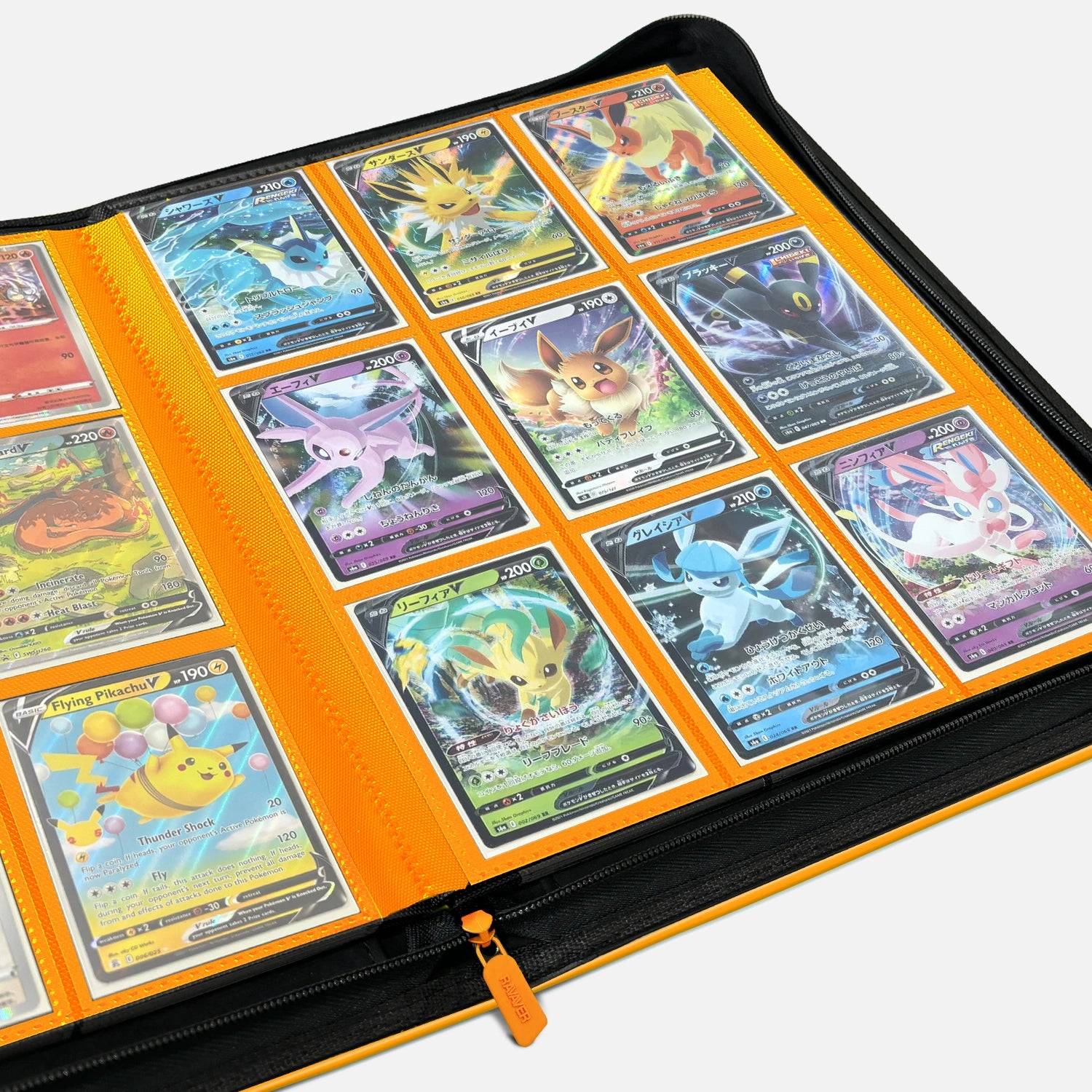
Storage scales with portfolio size from day one. A premium card binder for raw singles protects pre-grading inventory while graded slabs need rigid slab storage and sealed boxes need climate-stable shelving. Build the infrastructure before the portfolio outgrows it.
Sources:
- TCGplayer, Top Selling Sealed Products March 2026, retrieved 2026-05-05, https://seller.tcgplayer.com/blog/top-selling-sealed-products-march-2026
- TCGplayer, Top Selling Sealed Product Right Now January 12 2026, retrieved 2026-05-05, https://seller.tcgplayer.com/blog/top-selling-sealed-product-right-now-01-12-2026
- PSA, Grading Services Update February 2026, retrieved 2026-05-05, https://www.psacard.com/articles/articleview/15663/grading-services-update-february-2026
- PSA, Official Record of all Gradings (Population Reports), retrieved 2026-05-05, https://www.psacard.com/pop
- Beckett, Pokemon TCG Hot Cold List April 27 2026, retrieved 2026-05-05, https://www.beckett.com/news/pokemon-tcg-hot-cold-list-for-the-week-of-april-27-2026/