Most "best Pokemon TCG gear" lists rank by price tag or by status. This one ranks by daily-touch frequency, which is the only metric that actually predicts whether a veteran will still be happy they bought the upgrade twelve months later. The expensive item that sits in a drawer loses to the mid-priced item you handle every week. That's not opinion. That's what retrospective satisfaction surveys consistently show.
The eight upgrades below are the ones experienced collectors on r/PokemonTCG, r/pkmntcgcollections, and various Discord channels keep recommending to each other when someone asks "what should I actually buy with $200." Ranked by how often you'll touch them, not by how much they cost.
Key Takeaways
- Daily-touch frequency is the cleanest predictor of long-term satisfaction with a Pokemon collecting gear upgrade.
- The top three items on this list see 3-7 touches per week for an active veteran. The bottom three see 1 touch per month or less, they're still worth owning, but they're not first-purchase priorities.
- The 2026 PSA value-tier pause (effective June 2, 2026) pushed premium binders even higher on veteran upgrade lists, because more raw chase cards are staying raw and need premium daily protection.
- Veterans regret almost no purchases at the top of this list and regret roughly 40% of purchases at the bottom, match your spending to the top first.
- Total spend to cover all eight upgrades at solid-but-not-premium tier: roughly $250-$400. Premium tier across the board runs $600-$900.
1. Premium binder built for toploaders
Daily-touch frequency: 3-7x/week
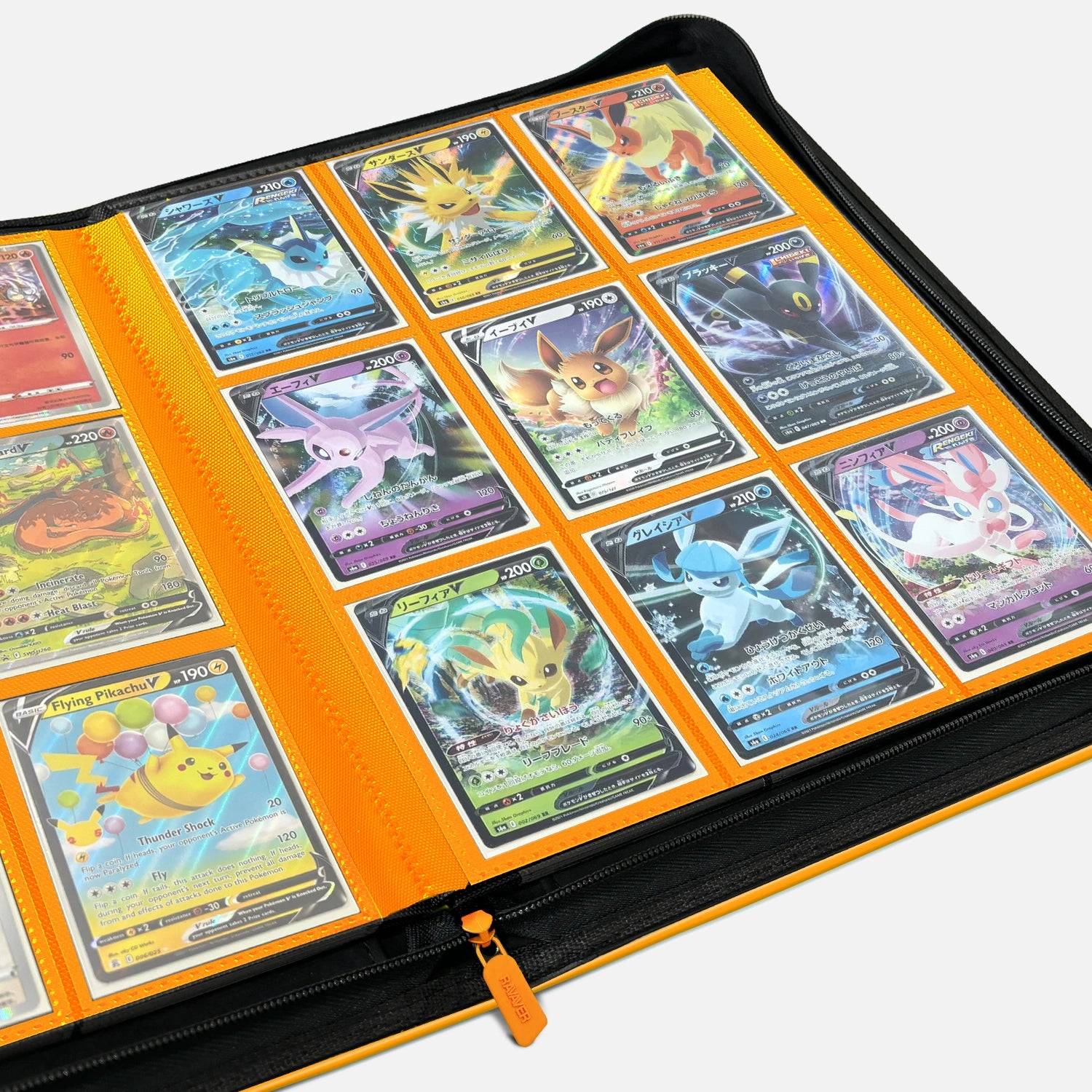
The single highest-touch piece of gear in any active veteran's setup. You open it to show friends. You open it to add new pulls. You bring it to card shows and trade nights. You photograph it for Instagram. You hand it across the table at Pokemon League. If you only upgrade one thing this year, this is it.
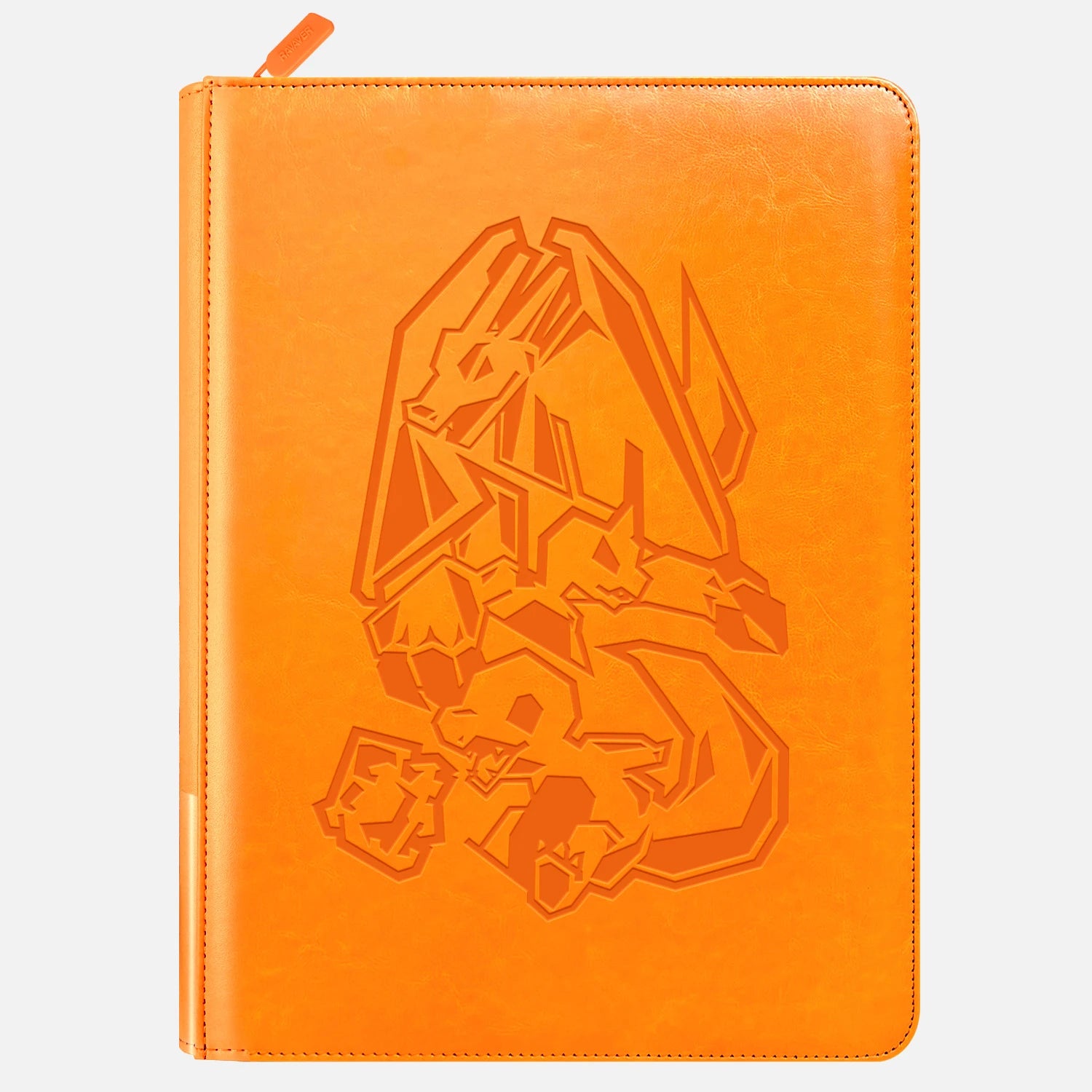
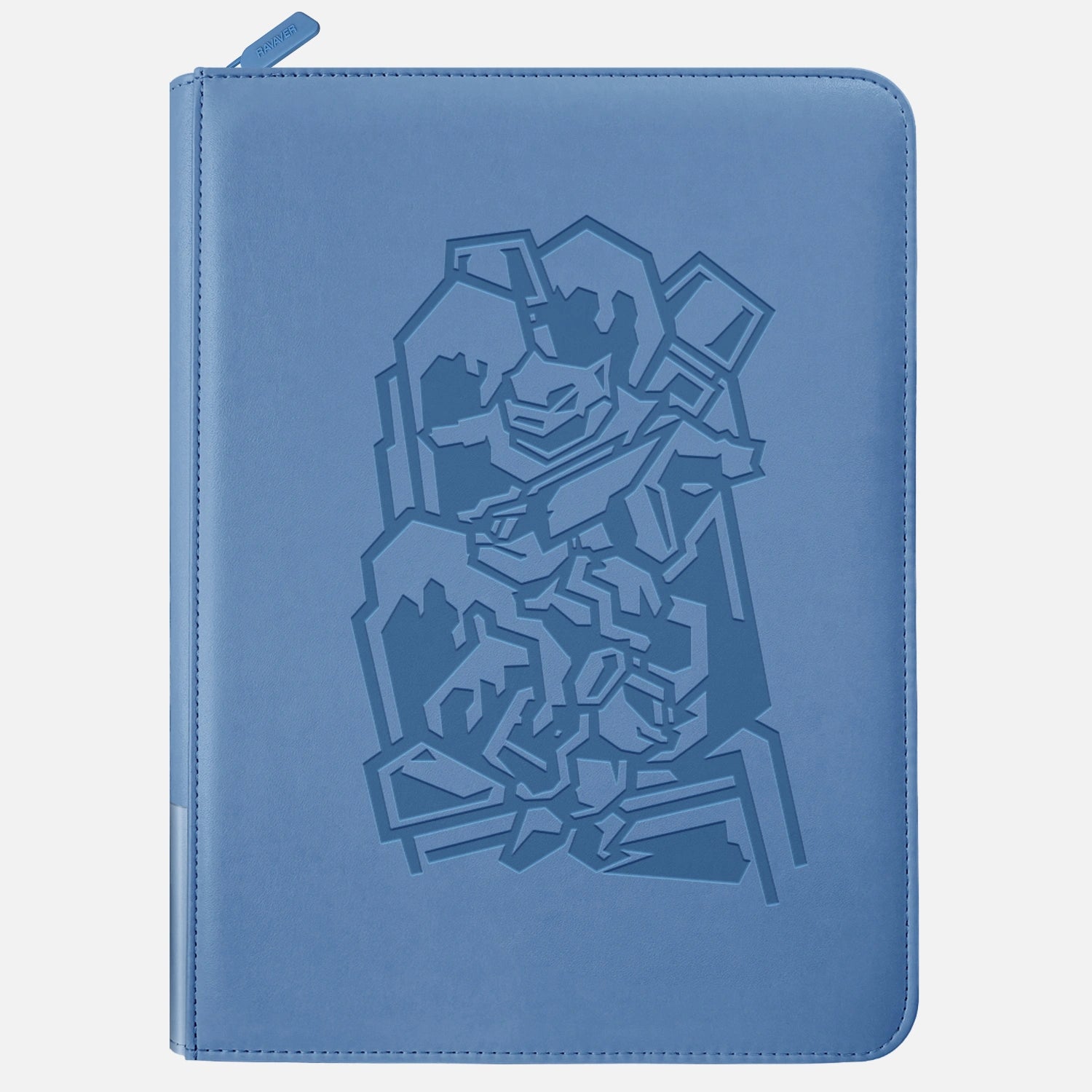
What to look for: zippered closure (prevents cards falling out in transit), pages designed to fit toploadered cards without forcing them, no-PVC archival-safe inner pages, PU or genuine leather exterior, capacity matched to your actual collection size (most veterans want 360-720 card capacity). The 2026 PSA value-tier pause means more of your raw chase cards are now living in this binder long-term, which means quality matters even more than it did a year ago. The full strategic case for prioritizing the binder above other upgrades is in the veteran self-upgrade playbook, and Ravaver's Pokemon-themed binders are built around exactly these specs.
Spend range: $50-$120 for premium quality. Below $30, you're getting an entry-level binder that won't survive a year of veteran use. Above $150, you're paying for branding more than build quality.
2. High-grade card sleeves (Dragon Shield, KMC, Ultra Pro Pro-Matte)
Daily-touch frequency: 3-5x/week
Every time you handle a card, the sleeve is what your fingers actually touch. Bad sleeves bunch, scuff, peel at the edges, and leave residue on cards over time. Good sleeves are nearly invisible, you stop thinking about them. The transition from generic penny sleeves to Dragon Shield Matte or KMC Perfect Fits is one of those upgrades veterans always say they should have made earlier.
Buy in volume. A box of 100 quality sleeves runs $8-$15, and an active veteran burns through 200-500 sleeves a year. Stock up at PokemonCenter sales or major TCG retailer Black Friday events. Keep a fresh box on standby for the moment a chase card lands. The structural reason this matters (and the Hot Hand spike that drives the moment of need) is covered in the post-pull psychology explainer.
3. Premium toploaders and semi-rigid holders
Daily-touch frequency: 2-4x/week
Toploaders are the single-card armor that lives on chase pulls, trade-night inventory, and any card you're sending out for grading. Premium toploaders (3x4 inch standard, plus the slightly thicker 35-point versions for double-sleeved cards) cost more per unit than bulk brands but don't yellow, don't crack at the edges, and fit cleanly into premium binders.
Semi-rigid holders (the ones graders use for PSA submission staging) are the underrated category here. A pack of 100 is around $15-$25 and they're the safest temporary home for a raw chase card waiting for a grading decision. Most veterans don't realize they should own them until they see one at a card show.
4. Deck boxes for active league play
Daily-touch frequency: 2-3x/week if playing, 0x if not
This is the most situational item on the list. If you actively play Pokemon League or competitive events, a quality deck box is a daily-use item. If you don't play, this ranking drops dramatically, a deck box becomes a niche purchase you handle once a month at most.
For active players: look for a hard-shell box with dividers, ideally with a magnetic closure rather than a flap. Ultimate Guard Deck'n'Tray or Dragon Shield Magic Cube are the veteran defaults. Spend range: $20-$40 for one that survives a year of competitive transport.
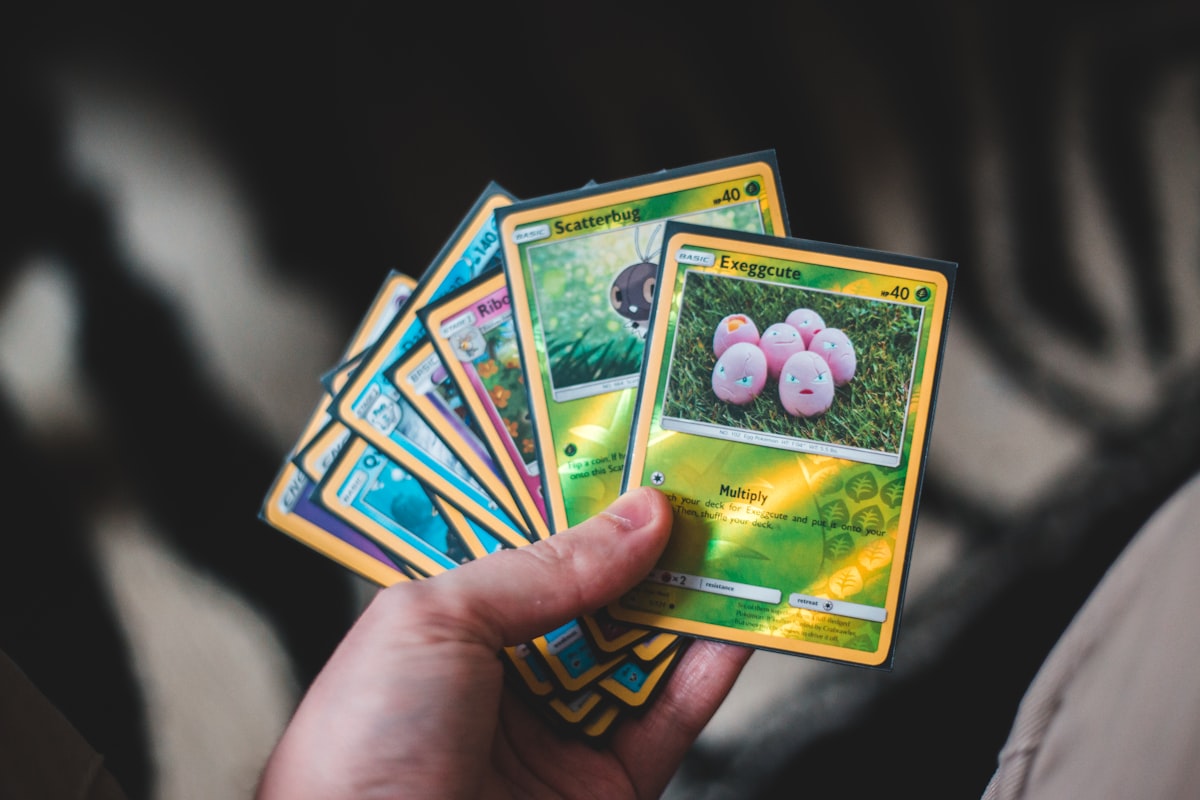
5. Inventory tracking app or spreadsheet system
Daily-touch frequency: 2-3x/week
The least sexy item on this list and one of the highest-impact. Once your collection passes about 1,000 cards, the difference between "I can find any card I own in under 30 seconds" and "I have to dig through three binders" is enormous. Veterans who build inventory systems early report dramatically lower frustration rates as their collection grows.
Options range from free (Google Sheets, Notion) to paid apps (Card Pricer subscriptions, PokeData Pro tiers). The free path works fine for collections under 5,000 cards. The paid path becomes worth it when you start tracking values, tracking buy prices, and managing trade inventory. Spend range: $0-$120/year depending on tier.
6. Long-term storage solution (booster box archives, single boxes, vintage storage)
Daily-touch frequency: 1-2x/week
The cards that aren't in your active binder need somewhere to live. Long-term storage gets handled less frequently than your daily binder, but when you need it (a buyer asks for a specific card, you're sourcing for a trade, you're hunting a missing piece for a master set) the quality of the system determines how long the search takes.
Veterans typically run a hybrid: a premium binder for current and showcase cards, plus organized long-term storage (BCW collectible card boxes, BCW shoeboxes, or dedicated archive binders) for bulk and previous-set material. Spend range: $30-$80 for a year's worth of long-term storage hardware.
7. Photography setup for the collection
Daily-touch frequency: 1-2x/week if you post, monthly if you don't
This is the upgrade that quietly compounds for collectors who share their hobby on social media. A small lightbox ($30-$60), a phone tripod ($15-$30), and a soft daylight LED ($25-$50) make pull photos and binder shots look like the ones that go viral on r/PokemonTCG. Without the setup, your photos look like every other underlit phone shot.
If you don't share publicly, the touch frequency drops dramatically and this becomes a lower-priority purchase. If you do share, even just to a Discord or a private group chat, the setup pays for itself in social engagement within a month.
8. Display cases for select graded cards
Daily-touch frequency: 0x (visible daily, handled monthly)
The lowest daily-touch item on the list, and one of the items veterans most often regret buying before they were ready. A display case for a graded chase card is meaningful, it's the showcase moment for a specific card you've decided deserves the spotlight. But if you buy the case before you have the card, or before you have a wall or shelf that makes sense as the display location, it sits empty and feels like wasted money.
Buy this last, not first. When you have a PSA 10 you're proud of, a clear spot on a shelf, and the visual context that makes the case feel like a frame rather than a box, then it's worth the purchase. Spend range: $30-$150 for a single-card case, more for multi-slab setups.
The pattern in the rankings
Look at the top three versus the bottom three and the pattern is obvious. Items that travel with you, items that you open to show people, items that protect cards you handle daily, those land at the top. Items that sit in fixed locations and serve as backdrops rather than tools, those land at the bottom. Both categories are worth owning eventually. The order matters because the top-of-list items compound every other upgrade, while the bottom-of-list items only pay off after the top items are already solved.
Veterans who buy in the order above tend to look back on their gear-spending journey with satisfaction. Veterans who buy reverse order, display cases first, premium binders last, often replace half their purchases within three years. Match your sequencing to your touch frequency and you'll spend less total dollars for more total enjoyment. To decide how to allocate any specific month's gear spend, see the 1/3 rule for Pokemon collecting budgets and the $200 sealed-vs-singles-vs-storage decision matrix. If you're researching gifts rather than self-purchases, the 9 Pokemon gift mistakes covers that lens.
Frequently Asked Questions
What is the single most-used piece of gear for a veteran Pokemon collector?
A premium zippered binder built for toploaders, touched 3-7 times per week by an active collector. It functions as daily storage, weekly social showpiece, and travel container for card shows and trade nights all at once, making it the highest daily-touch item in nearly every veteran setup.
How many sleeves does a Pokemon collector use per year?
Active veteran collectors typically use 200-500 sleeves per year, with the higher end coming from collectors who re-sleeve full binders during set rotations or who play Pokemon League regularly. Sleeves cost $8-$15 per 100-pack for premium brands (Dragon Shield Matte, KMC Perfect Fits, Ultra Pro Pro-Matte), making annual sleeve spend land around $30-$80.
Are display cases worth buying for Pokemon cards?
Yes, but only after you have a specific graded chase card, a clear physical location that makes sense as a display spot, and an aesthetic context (wall, shelf, room) that makes the case look like a frame rather than a box. Buying a display case before you have the card to put in it almost always leads to it sitting empty for months, which is one of the most commonly regretted purchases in veteran collector surveys.
Do Pokemon collectors really need an inventory tracking system?
Once a collection passes about 1,000 cards, yes. The difference between being able to find any card in under 30 seconds versus digging through three binders is enormous, and it gets worse linearly with collection growth. Start with a free system (Google Sheets, Notion) and migrate to paid apps only when you're tracking values, buy prices, and trade inventory rather than just locations.
What's the best Pokemon TCG gear upgrade after the 2026 PSA price hike?
A premium binder, by a significant margin over any other category. The June 2, 2026 PSA value-tier pause means more raw chase cards are staying raw long-term, and they need premium daily protection that does justice to the card. The binder went from being storage to being storage-plus-display, which moved it from "important upgrade" to "first priority upgrade" for most active veterans planning gear purchases in mid-2026.
Sources:
- Sports Illustrated, "Pokemon Powers 2025: PSA's Biggest Grading Year in Company History," retrieved 2026-06-02, si.com/collectibles
- PSA Card, official pricing and service updates, retrieved 2026-06-02, psacard.com
- PokeGuardian, "Over 10 Billion Pokemon Cards Sold in Fiscal Year 2024-2025," retrieved 2026-06-02, pokeguardian.com