PSA paused four of its value grading tiers on June 2, 2026, sitting on a backlog approaching 10 million cards. Regular service now starts at $79.99 per card before shipping, insurance, and Collectors Club fees. If you've been planning to grade the chase you pulled in April, the cheap path just disappeared.
That kind of week is when veteran collectors stop, look at the binder on their desk, the toploader stack in the drawer, the sleeves they bought on sale six months ago, and ask the real question: what should I actually upgrade next?
This is the guide for that question. Not a top-10 affiliate dump. A behavioral playbook for the 25-to-35-year-old collector who's been pulling packs since elementary school and is now staring at their setup wondering where the next $200 goes.
Key Takeaways
- PSA graded 19.26 million cards in 2025, up 26% year-over-year, with Pokemon accounting for more than 16.1 million submissions (Sports Illustrated).
- Veterans buy self-upgrades on a different schedule than new collectors: post-pull, post-set-release, and post-card-show, not on impulse from ads.
- The single best predictor of "did I actually use this upgrade" is daily-touch frequency. Storage and sleeves beat display cases and gear-flex purchases almost every time.
- The 2026 PSA value-tier pause changes the upgrade math: grading-adjacent gear (binders for raw chase cards, premium toploaders) just got more important than grading itself for sub-$500 cards.
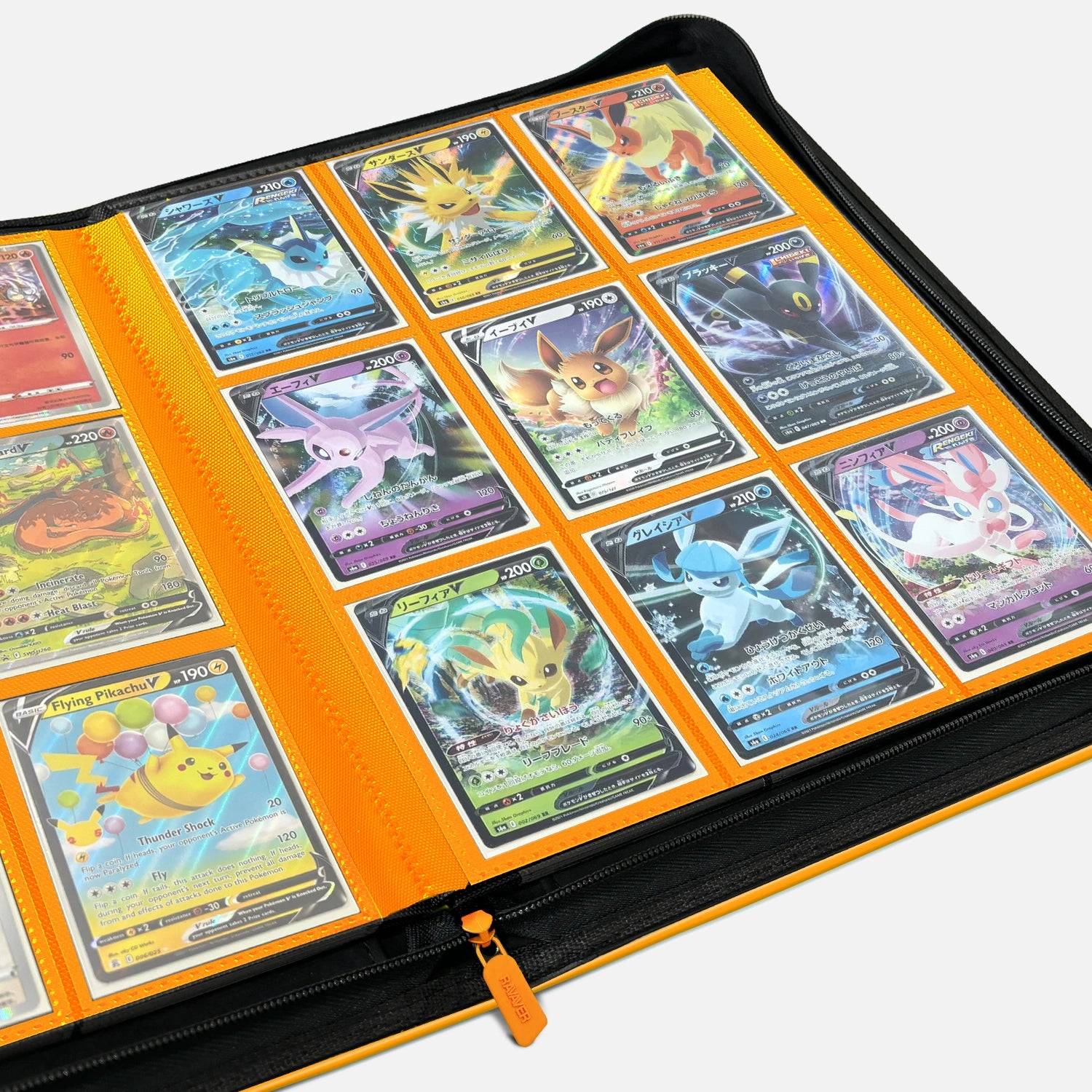
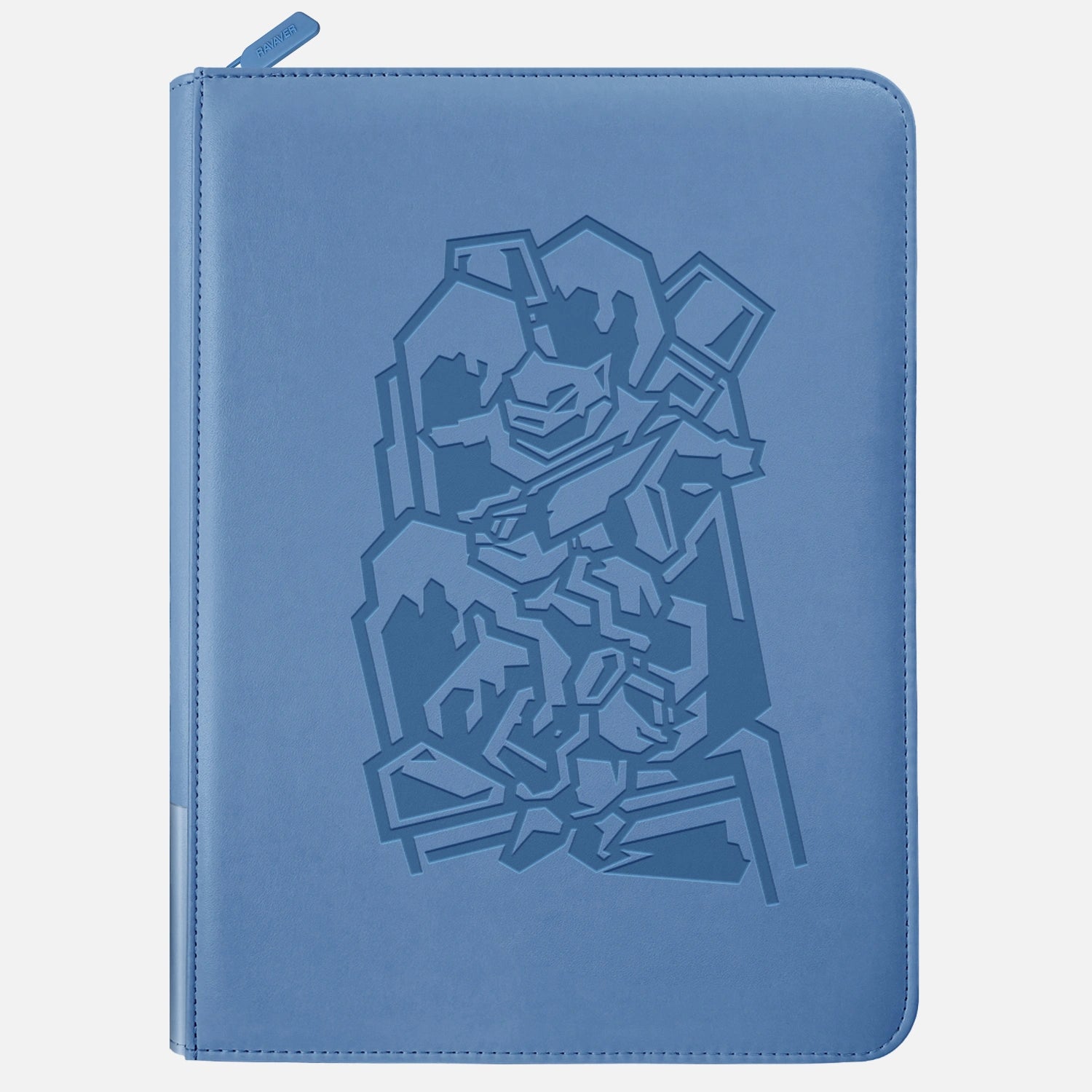
- A premium binder is the only piece of collector gear veterans touch every week and show off in social settings. That's why it lands at the top of every honest upgrade list.
What "self-upgrade" actually means for a veteran Pokemon TCG collector
A self-upgrade is a hobby purchase a veteran makes for themselves, not because they need the item, but because they've outgrown the version they already own. It's the swap from a $12 ring binder to a $69 zippered one. The move from loose toploaders in a shoebox to a slab case. The shift from a notebook of pulls to a proper inventory app.
Veterans buy self-upgrades on a behavioral pattern that has almost nothing in common with new-collector spending. New collectors buy more cards. Veterans buy better infrastructure around the cards they already have. After five or more years in the hobby, the marginal joy of another booster box drops, and the marginal joy of finally being able to find a specific 2019 Charizard in under thirty seconds climbs.
Here's the part most upgrade guides miss: the trigger for a veteran upgrade is almost never a sale or an ad. It's an event. You pull a Special Illustration Rare and realize your binder isn't worthy of it. You go to a card show and watch someone else's setup. You finally finish a master set and want it displayed properly. The purchase comes hours or days after the event, not in the moment.
Why veterans budget self-rewards differently than new collectors
The Pokemon Company produced 10.2 billion physical cards in fiscal year 2024-2025, bringing the lifetime total to over 75 billion cards (The Pokémon Company financial disclosures via PokeGuardian). New collectors hear that and think "more product to chase." Veterans hear it and think "more sets I need to organize, sleeve, and store."
The veteran budget shifts from acquisition to curation. A first-year collector might spend 80% of their hobby budget on packs and singles. A ten-year veteran often spends 40% on cards and 60% on the systems that hold them, storage, sleeves, toploaders, binders, grading, inventory software, display.
This isn't a downgrade in passion. It's a maturity shift. After your hundredth pack, you stop chasing the dopamine of opening and start chasing the dopamine of having a collection that holds together. The veteran upgrade budget is the line item that makes the rest of the collection feel intentional instead of accidental. For a structural way to think about how that budget should split, the 1/3 rule for Pokemon collecting budgets is what most veterans converge on.
The "post-pull spend" pattern
Veterans tend to spend on infrastructure within 72 hours of a major pull. You crack a booster box, get a Special Illustration Rare you didn't expect, sleeve it, double-sleeve it, drop it in a toploader, and then look down and realize your current binder is the same one you bought in 2020. By Friday, you've ordered a new binder. The pull was the trigger. The upgrade was the rationalization.
Recognize this pattern and you can either ride it (let the trigger drive needed upgrades) or interrupt it (delay the purchase 48 hours and ask whether the new item actually improves your daily collecting). Most veterans benefit from interrupting it about half the time. The other half, the post-pull spend is doing real work, it's how your gear keeps pace with your collection. The mechanism behind this pattern is variable-ratio reinforcement, and naming it explicitly is half of the Hot Hand trap interruption.
The five upgrade categories veterans actually spend on
Across r/PokemonTCG, r/pkmntcgcollections, and the Discord channels where collectors actually plan purchases (not the ones where they post pulls), veteran upgrade spending clusters into five buckets. Most veterans hit all five within their first decade. The smart ones hit them in a specific order.
| Upgrade Category | Typical Veteran Spend | Daily Touch Frequency | When to Upgrade |
|---|---|---|---|
| Storage (binders, deck boxes, long-term boxes) | $60-$200 | 3-7x/week | When current storage stops fitting your sleeved + toploaded chase cards |
| Sleeves & inner protection (Dragon Shield, KMC, Ultra Pro) | $30-$80/year | Daily on new pulls | When you start buying singles over $50 |
| Toploaders & semi-rigid holders | $25-$60/year | 2-4x/week | Immediately, then re-up every 6 months |
| Grading (PSA / CGC / BGS) | $80-$300 per card | 0x/week after grading | Only for cards with $200+ raw value or sentimental anchor |
| Display & specialty (slab cases, Loaders, wall mounts) | $40-$300 | Visible daily, handled monthly | After you have a clear "showcase" subset of your collection |
Why storage gets the biggest line item
Look at that table again. Storage has the highest daily-touch frequency on the list, three to seven times per week for an active veteran. That's not because it's the most exciting category. It's because it's the only category that's part of every other one. Sleeves go in toploaders, toploaders go in binders, binders sit on the shelf you grab from when a friend asks to see something. The binder is the chokepoint.
This is also why veteran-led collector forums consistently rank a premium binder above a graded card purchase when budgets are tight. The graded card sits in a slab in a drawer. The binder gets opened. Anything you interact with seven times a week deserves more attention than something you interact with zero times a week. The ranked breakdown of 8 upgrades veterans actually notice applies the same daily-touch-frequency framework across every gear category, and a premium Pokemon-themed binder lands at the top for exactly this reason.
How the 2026 PSA pricing changes the upgrade math
Before February 2026, the calculation for grading a $200 raw Charizard was straightforward: pay $20-30 for Value tier, get a PSA 10, double or triple your money. That math broke when PSA raised five tiers by $3-$5 per card in February and then paused Value, Value Bulk, Value Plus, and Value Max on June 2, 2026 due to a backlog of nearly 10 million cards (PSA).
The cheapest available service tier is now Regular at $79.99 per card. Add shipping, insurance, and Collectors Club minimums and you're looking at $95-$110 all-in for one card. That changes the break-even point. A raw card needs to be worth at least $300-$400 for grading to make economic sense in mid-2026, not $150-$200 like it did a year ago.
Practical translation: more of your raw chase cards are going to live in your collection raw for longer. The binder you keep them in just got promoted from "storage" to "display + protection." If you're going to look at a $250 SIR in its raw form for the next eighteen months while you decide whether grading is worth it, the binder needs to do justice to the card. The full sealed vs singles vs storage decision matrix covers how to allocate a $200 month around this new reality.
The veteran upgrade decision matrix
When a veteran has $200 to spend on hobby infrastructure, the question is rarely "what's the highest-status item I can buy", it's "what will I actually notice in my daily collecting." Use this framework, ranked by what veterans on r/PokemonTCG consistently say improved their collecting most in retrospective threads.
- Audit your daily touchpoints first. Walk through one week of your collecting routine. What do you touch? A specific binder? A pile of toploaders on your desk? A booster box you haven't cracked? Whatever you touch most without thinking about it is the candidate for upgrade, because you'll feel the difference immediately.
- Score each candidate by "moment of friction." Where does your current setup annoy you? Pages that don't fit toploaders. Binders that slide off the shelf. Sleeves that bunch. Toploaders that yellow. Friction is the highest-ROI place to spend.
- Apply the daily-touch rule. If two upgrades have similar friction scores, pick the one you'll touch more often. A new binder you open three times a week beats a new display case you look at from across the room.
- Check the social-context multiplier. Will anyone else see this upgrade? Storage you bring to card shows and Trade nights gets a multiplier. Storage that lives in a drawer gets a divider. Veterans systematically under-invest in show-quality storage and over-invest in drawer-quality storage.
- Set a 48-hour cooldown. Add the item to a cart, close the tab, wait two days. If you still want it Friday, buy it. Most regret-purchases die in the cooldown window. The legitimate upgrades survive it.
What the upgrade pattern reveals about you as a collector
Your upgrade pattern is the most honest portrait of your collecting identity. If your last five purchases were all booster boxes, you're a chaser, you want the dopamine of opening, not the satisfaction of having. If your last five purchases were storage upgrades, you're a curator, you've moved into the second decade phase of hobby maturity. If they were grading submissions, you're an investor, you've decided your collection has economic weight, not just emotional weight.
None of these identities is wrong. But mismatched spending is what creates regret. A chaser who buys a $400 display case will resent it within a month. A curator who buys another booster box when they already have unopened boxes from 2023 will feel the burnout deepen. Match the upgrade to the phase you're actually in, not the phase you wish you were in.
The next-show test
Here's a self-honest question to apply to any upgrade you're considering. You're going to your next card show, your next Pokemon League night, your next friend hangout where someone asks to see your collection. What do you bring? What's in your hand? What do you set on the table first?
If the item you're about to buy is something you'd bring out at that moment, to be seen, to be opened, to be talked about, buy it. If it's something that's going to sit in a drawer and never make that journey, save the money. Veterans figure this out around year three. The ones who figure it out earlier compound their satisfaction faster.
A binder belongs on this list because it travels with you. So do toploaders on the singles you're trading. So do the deck boxes for the league deck you brought. So do the sleeves you re-sleeved everything in last weekend. Display cases, grading slabs, framed cards, these stay home. They're not bad purchases. They're just not the high-touch ones.
How veterans actually sequence their year of upgrades
A common upgrade cadence for veterans, mapped against the Pokemon TCG release calendar and the major social events, looks like this:
- January-February: Storage audit. New binders, new long-term boxes, new toploader stock. Low-spend recovery month after holiday burnout.
- February 27 (Pokemon Day) through March: Specialty pickups timed with anniversary product drops. Often a single high-value card or sealed product.
- April-May: New set release period. Sleeves, toploaders, binder pages for the incoming chase cards.
- June-July: Mid-year self-rewards. This is the under-served upgrade window, fewer ads, fewer pressure events, more clarity about what's actually needed.
- August (Worlds Championship period): Show-quality storage and display upgrades. Lots of card shows happening, lots of social visibility.
- September-October: Pre-holiday gift inventory. Self-purchases drop, gift-purchases rise. Most veterans who buy gifts for other collectors lean on the framing from the 2026 Pokemon collector gift guide during this window.
- November-December: Black Friday upgrades for big-ticket items (premium binders, grading submissions if value tiers ever return, display setups). Gift-purchase research for non-collector recipients shifts toward which Pokemon gifts actually land.
If you've been collecting more than five years and you've never deliberately sequenced your year like this, try it for the next twelve months. Most veterans cut their wasted-purchase rate by half just by aligning upgrades to triggers instead of impulses.
Frequently Asked Questions
What's the single best self-upgrade for a veteran Pokemon TCG collector in 2026?
A premium binder built for double-sleeved and toploaded cards. It's the highest daily-touch item in any collector's setup, it travels with you to shows and trade nights, and the 2026 PSA value-tier pause means more of your raw chase cards are staying raw, which makes the binder both storage and display. Most veterans regret upgrading display cases before binders.
How much should a Pokemon TCG veteran spend on hobby gear per year?
Veterans typically allocate 40-60% of their annual hobby budget to gear and infrastructure rather than cards, with total gear spend landing between $200 and $600 per year for active collectors. That covers a new premium binder every two to three years, ongoing sleeves and toploaders, and occasional display or grading purchases. New collectors invert this ratio.
Is it still worth grading Pokemon cards in 2026 after the PSA value-tier pause?
Yes, but the math has shifted. With Regular service starting at $79.99 per card and all-in costs around $95-$110, raw cards need to be worth roughly $300-$400 for grading to make clean economic sense. For cards under that threshold, premium raw storage is the better play. Cards above $500 still grade well, and PSA 10s on top-tier modern chase cards still command 4-8x ungraded prices.
What's the "post-pull spend" pattern and should I fight it?
The post-pull spend pattern is the tendency for collectors to make a major infrastructure purchase within 72 hours of a significant pull, driven by the gap between the new card's value and the existing setup's quality. Don't fight it entirely, half the time the trigger is doing real work. Apply a 48-hour cooldown: if you still want the upgrade Friday, the pull was a legitimate signal, not just a dopamine spike.
How do veteran Pokemon collectors decide between buying more cards versus upgrading storage?
Veterans use a simple test: count the cards from your last set that you can find in under thirty seconds. If it's less than 80%, your storage is the bottleneck and the next purchase should be infrastructure. If you can locate any card in your collection instantly and your binder still has space, the next purchase can be more cards. Storage problems compound silently, they steal future enjoyment from current pulls.
Why do experienced Pokemon collectors care so much about binder quality?
Because the binder is the only piece of collector gear that travels socially. Toploaders stay in toploaders. Sleeves stay on cards. Grading slabs stay home. But a binder gets opened at card shows, trade nights, friend hangouts, and Discord meet-ups. Veterans figure out around year three that the binder is doing as much identity-signaling work as it is protection work, and they upgrade accordingly.
What upgrades do Pokemon collectors regret most often?
Display cases that live in rooms nobody sees, ultra-premium grading on cards that don't appreciate, novelty deck boxes from sets the collector stopped caring about, and "complete collection" wall mounts purchased before the collection was actually complete. The pattern: items with zero daily-touch frequency that were bought for the idea of having them, not for the experience of using them.
Sources:
- Sports Illustrated, "Pokemon Powers 2025: PSA's Biggest Grading Year in Company History," retrieved 2026-06-02, si.com/collectibles
- PokeGuardian, "Over 10 Billion Pokemon Cards Sold in Fiscal Year 2024-2025," retrieved 2026-06-02, pokeguardian.com
- PSA Card, official pricing and population data, retrieved 2026-06-02, psacard.com
- The Pokémon Company, "Pokémon in Figures," retrieved 2026-06-02, corporate.pokemon.co.jp