Gift-giving disasters in the Pokemon TCG world have a specific signature. The recipient opens the package, pauses, finds polite words, and then never references the gift again. The giver leaves thinking "they liked it." The recipient is privately calculating how to make the item disappear without anyone noticing. The disconnect happens because TCG collectors have specific tastes, and most "Pokemon-themed" gifts miss those tastes by a wide margin.
Here are the nine most common Pokemon gift mistakes I've seen made (and made myself, years ago) over fifteen years in the hobby. Each one creates a specific cringe-moment at unwrapping. Plus five gift categories that consistently land regardless of recipient experience level. Run through both lists before your next Pokemon gift purchase.
Key Takeaways
- Five mistakes cause about 70% of failed Pokemon gifts: ungraded "rare" cards from unknown sellers, generic merchandise that isn't TCG-specific, ring binders, duplicates of items the recipient already owns, and Pokemon Center items bought at retail without thought.
- The five always-land categories are graded singles in PSA/CGC/BGS slabs, premium themed binders with character cover art, current-set sealed Elite Trainer Boxes, custom-engraved storage items, and high-quality toploaders and sleeves from premium brands.
- The single highest-cost mistake (often $200 to $500 lost) is buying an ungraded "rare" card from a Facebook Marketplace or unknown eBay seller, because counterfeit modern chase cards have improved sharply since 2023.

The 9 Pokemon gift mistakes that embarrass the giver
- Buying an ungraded "rare" card from a random seller. The cringe-moment: the recipient looks at the card for 15 seconds, then quietly checks the print quality, the texture, the back-printing alignment. They don't say anything, but their face shifts. Modern Special Illustration Rares (Greninja ex, Umbreon ex, Pikachu chase cards) are counterfeited aggressively as of 2025 to 2026. The fakes are good enough to fool casual buyers but obvious to a serious collector. If you must buy a single, only buy graded slabs from PSA, CGC, or BGS. Unverified Facebook Marketplace and Instagram seller sources are where this mistake happens most often.
- A ring binder for a serious collector. The cringe-moment: the recipient sees the metal rings, smiles politely, and never mentions the binder again. Ring binders damage cards over time as pages shift and rings catch on sleeves. Every collector who has been in the hobby more than a year knows this. Gifting a ring binder to a Type 1 Veteran reads as either not knowing the difference or not caring enough to verify. Stick to zippered or side-loading closures.
- Generic Pokemon merchandise (mugs, T-shirts, plushies, keychains). The cringe-moment: the recipient unwraps a Pikachu plushie and realizes you read them as a "Pokemon fan" rather than a TCG collector. These two categories don't overlap as much as outsiders think. A serious TCG collector may own zero Pokemon plushies after fifteen years. Stick to items that touch the card-collecting hobby: binders, sleeves, toploaders, sealed product, or graded singles.
- Pokemon Center items at retail price. The cringe-moment: the recipient opens an item and immediately knows you spent two minutes on the Pokemon Center website with no special selection. The Pokemon Center sells the same items year-round at zero markup. He could have ordered any of these for himself in five clicks. The only exceptions are Pokemon Center exclusives sold in limited drops (like the Pokemon Day 2026 Collection at $14.99) that have already sold out at original retail.
- Duplicates of items he already owns. The cringe-moment: the recipient unwraps a 9-pocket binder identical to one already on his shelf. He thanks you anyway. The binder ends up in a closet. This is the highest-frequency failure mode for gifts under $100. The fix is five minutes of "snooping" on his existing setup before purchase. Count binders, note brands, take a phone photo for reference.
- A booster box of a set he already opened. The cringe-moment: he opens the sealed box, sees the set name, and you can see him calculate how many of these he's already opened this month. Most veteran collectors who buy booster boxes themselves do so within two weeks of release. Gifting a box of a set that's already three months old often means it's been opened and the recipient has moved on. Ask casually which set he's been opening lately, two weeks before the gift date, before buying any sealed product.
- A "Pokemon investment kit" or speculative gift package. The cringe-moment: the recipient opens a package marketed as "guaranteed to appreciate" or "investment grade." Investment-themed Pokemon gifts almost always under-deliver because real card investing is illiquid, requires storage planning, and depends on factors the giver doesn't understand. Skip speculative gifts unless you and the recipient explicitly discussed investment as a topic. Better: buy a sealed booster box and let the recipient decide whether to hold or open.
- A graded card the recipient already has. The cringe-moment: he opens a graded slab, recognizes the card from his own collection (often visible if you've ever looked at his binder), and now you're awkward. PSA's population data shows certain popular chase cards (Umbreon ex SIR #161 with 12,442 submissions, Greninja ex SIR) are widely owned among collectors who care about them. If you don't know which specific cards he has, the safer move is to buy a card from a set he likes but a less popular hit, or a card the population data shows is rarer.
- Anything in the $50 to $150 dead zone with poor build quality. The cringe-moment: the price tag is too high for "casual gift" but the quality is too low for "premium item." This price range is where most failed Pokemon binder gifts live. The fix is either buying down to $35 to $50 (clearly a thoughtful smaller gift) or buying up to $80 to $150 with verified premium quality (zippered closure, PU leather, no-PVC pages, multi-year warranty). The $50 to $80 dead zone is where most counterfeit "premium" items live too.
The 5 gift categories that always land
If you're risk-averse and want a gift that almost certainly works, these five categories have the highest hit rate across all collector types.
- Graded singles in PSA, CGC, or BGS slabs. Why it works: the slab authenticates the card, the grade quantifies the quality, and the recipient gets something objectively valuable. Pick a card from a set he's mentioned, in PSA 8 or higher grade, within your relationship's price range. TCGplayer and PWCC are the safest secondary marketplaces for graded purchases. Budget tier: $100 to $500+.
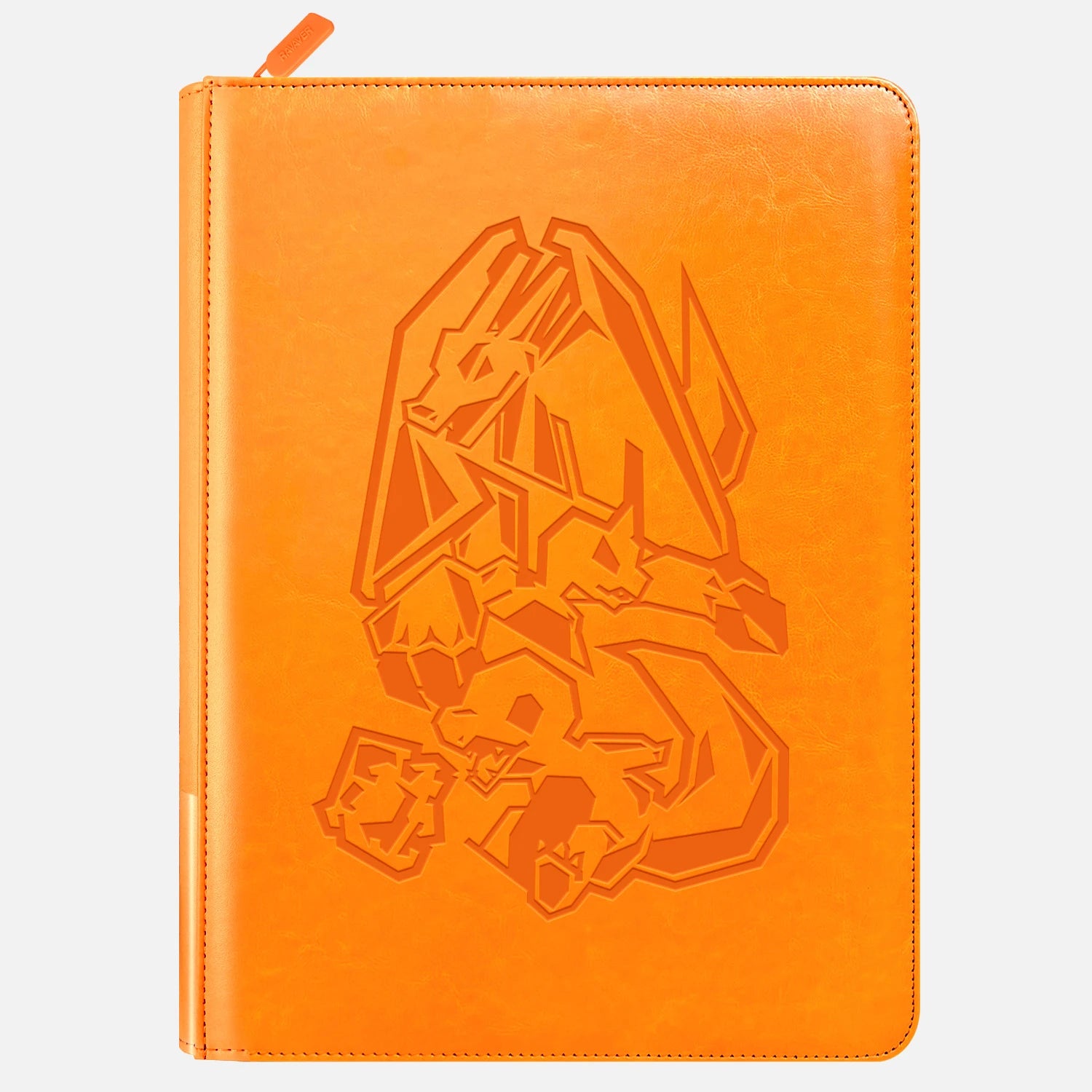
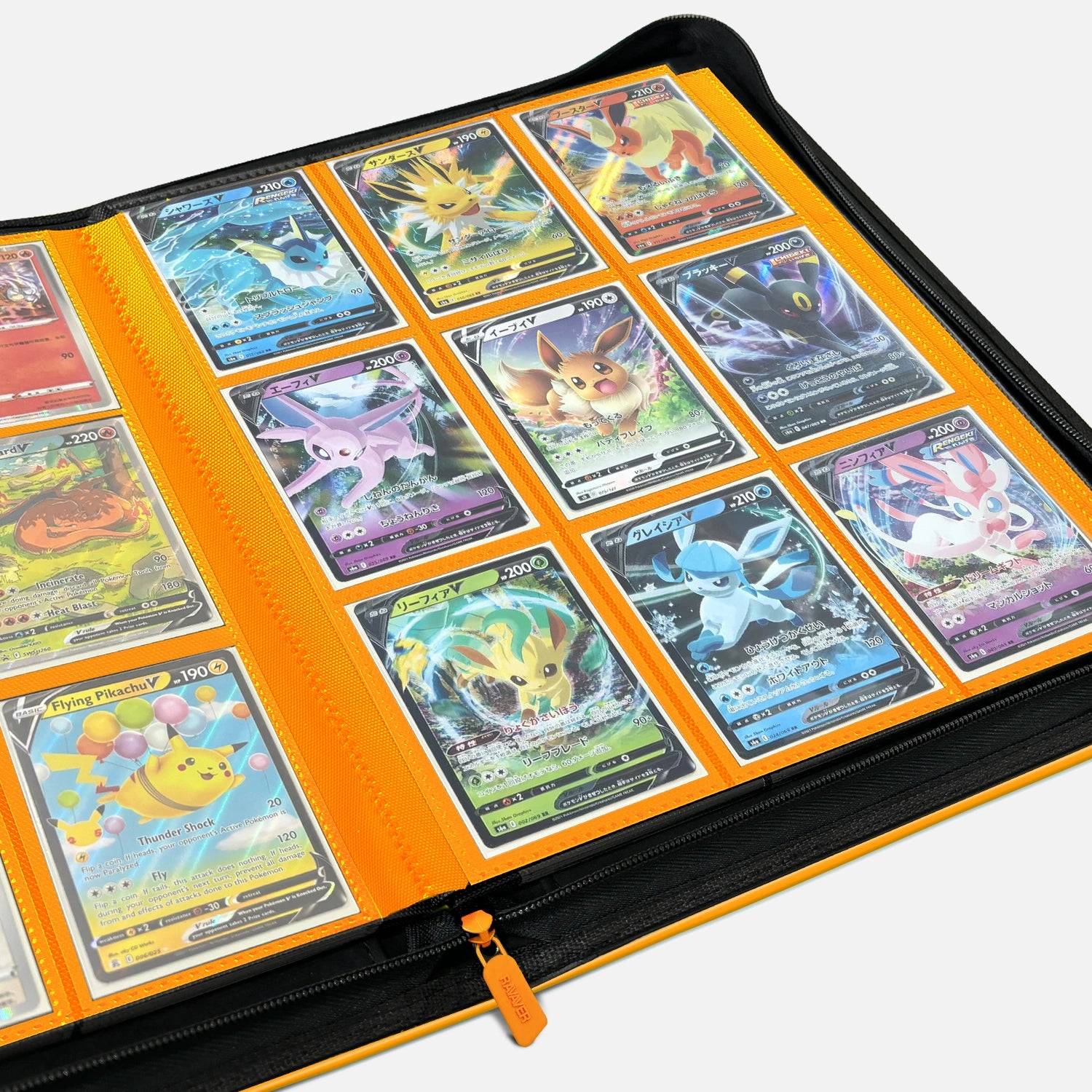
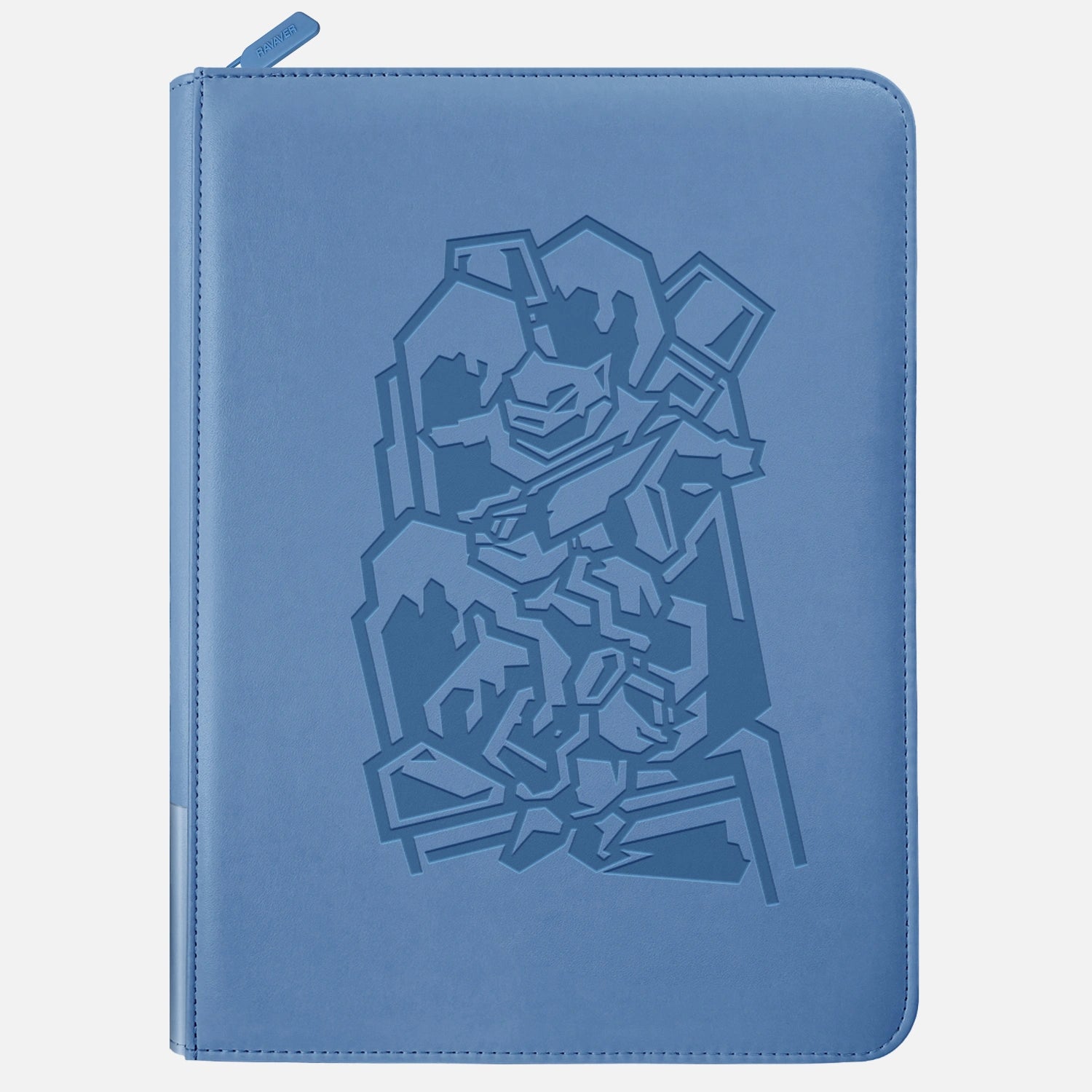
- Premium themed Pokemon binder with character cover art. Why it works: solves a real problem (storage and protection), honors identity (character cover signals personality), and integrates into daily collecting life. Pick a binder with the recipient's favorite Pokemon as the cover art (Charizard, Pikachu, Gengar, Blastoise, and Venusaur are the most common requests in our data). Verify zippered closure, no-ring construction, and toploader-friendly pockets. Budget tier: $60 to $200.
- Current-set sealed Elite Trainer Box or booster box. Why it works: high opening-day excitement and pretty universal appeal to collectors who still open packs. Pick the set the recipient has been talking about, or default to the current Mega Evolution era release if you can't confirm. Buy from authorized retailers (Pokemon Center, Target, Best Buy, or established LGS) to avoid weighed or resealed product. Budget tier: $50 to $250.
- Custom-engraved storage item. Why it works: by definition doesn't duplicate, signals real effort, and creates a unique identity item. Pick something the recipient will actually use (binder, slab case, deck box) with engraving that matches their personality without being generic. Avoid "World's Best Trainer" type engravings for serious collectors; favor name, initials, or a specific Pokemon character they reference often. Budget tier: $80 to $300.
- High-quality toploaders and premium sleeves from established brands. Why it works: every collector uses these consumables, so a thoughtful supply gift gets immediately deployed. Pick name brands (Ultra Pro, Dragon Shield, KMC, BCW) rather than off-brand or generic. Pair with one centerpiece gift (a binder or sealed product) to avoid the supply gift reading as too small. Budget tier: $20 to $60 as a pairing item.

The pattern behind the always-land gifts
Look at the five always-land categories and a pattern emerges. Each one either has built-in authentication (slabs, name-brand sealed product, established brand binders), solves an immediate problem the recipient has (storage, supplies), or creates something definitionally unique (custom engraving). The three failure-prone categories share the opposite: ungraded singles lack authentication, generic merchandise solves no problem, and Pokemon Center retail items lack uniqueness.
Applying this pattern: before buying any Pokemon gift, ask which of the three "always-land" attributes it has. Built-in authentication? Solves an immediate problem? Definitionally unique? If the answer is "none of the three," reconsider the purchase. If the answer is "one of the three," verify the gift fits the recipient's specific situation. If the answer is "two or three of the three," buy with confidence.
What to do if you already bought a gift on the mistake list
If you've already purchased something that turned out to be on the mistake list, you have three options. Return it within the seller's return window and switch to an always-land category. Repurpose it as a pairing item to a stronger centerpiece (a $30 generic accessory plus a $90 premium themed binder reads as effort, not afterthought). Or keep it and pair it with handwritten note explaining the thinking, which softens the gift-quality issue with relational context. The first option is usually the best play if return is available.
Frequently Asked Questions
What's the worst Pokemon gift to give a collector?
An ungraded "rare" card from a non-vetted seller (Facebook Marketplace, random eBay listing, Instagram dealer). Counterfeit modern chase cards have improved sharply since 2023, and a serious collector will detect the fake within minutes.
Is a Pokemon gift card a bad gift?
A Pokemon gift card isn't on the "mistake" list, but it's also not on the "always-land" list. It's a safe-but-forgettable pick that signals "I couldn't decide" to the recipient. Veteran collectors generally use Pokemon gift card balances on supplies rather than memorable purchases.
Should I avoid all Pokemon merchandise that isn't cards or accessories?
For TCG collectors specifically, yes. Pokemon plushies, mugs, T-shirts, keychains, and home decor signal you read the recipient as a "Pokemon fan" rather than a TCG collector. Stick to items in the card-collecting hobby ecosystem.
How do I know if a Pokemon binder is high quality before buying?
Check three signals. First, closure type: zippered or side-loading is premium; ring binders are not. Second, page material: toploader-friendly pockets with no-PVC and acid-free construction is premium. Third, outer shell: PU leather or genuine leather with stitched edges is premium.
What's the safest under-$50 Pokemon gift?
A high-quality premium sleeves and toploaders kit from an established brand (Ultra Pro, Dragon Shield, KMC, BCW) paired with a handwritten note. For a slightly higher impact, add a single booster pack from the current set ($5 to $15).
Run both lists before checkout
Before you finalize any Pokemon gift purchase, take two minutes. Check the nine mistake categories first. If your intended gift falls into any of them, switch to an always-land category. Run the always-land question for whatever you're buying: built-in authentication, solves an immediate problem, or definitionally unique. At least one should be true. Premium Pokemon-themed binders consistently hit two of three (problem-solver plus quality authentication), which is why they remain the most reliable Pokemon gift category across all recipient types.
For the full framework on what makes a Pokemon gift work, our 2026 Pokemon collector gift guide walks through the three collector psychologies. For the five-criterion checklist every gift should pass, see what makes a good Pokemon gift in 2026. To choose between the most common gift formats, the gift card vs booster box vs premium binder comparison uses recipient-reaction data. And for non-collectors who need a step-by-step workflow, the survival guide doesn't assume any TCG knowledge. To learn how to spot fake Pokemon cards (which is mistake #1 on this list), see our 9-test counterfeit detection guide.
Sources:
- PSA, PSA Population Report (Pokemon TCG), retrieved 2026-06-01, psacard.com/pop
- TCGplayer, secondary market pricing data, retrieved 2026-06-01, tcgplayer.com
- Ravaver gift-purchase and recipient-follow-up data, January 2025 to May 2026