You have $200 set aside for Pokemon TCG this month. The new set drops in three weeks. A clean PSA 9 of a card you've been hunting just hit eBay at $180. Your binder has been on the shelf for two years and the pages are starting to bow. Three reasonable purchases. One budget. This is the actual decision veteran collectors make at the start of every month, and the framing "best ROI", which is how most articles answer it, is exactly the wrong way to choose.
The right framing is collector maturity stage matched to friction point. Where is your collection actually held back right now? That answer tells you where the next $200 should go.
Key Takeaways
- Sealed product, singles, and storage upgrades each serve a different collector job, they're not interchangeable, and ranking them by ROI alone misses the point.
- Veterans who buy infrastructure first (storage and gear) before more cards report higher long-term satisfaction and lower regret-purchase rates in retrospective surveys.
- The 2026 PSA value-tier pause (effective June 2, 2026) shifts the math toward raw card protection, premium binders and toploaders now do work that grading used to do for sub-$300 cards.
- The decision should account for your current collection's biggest bottleneck, not the highest absolute ROI. The bottleneck is where the next $200 produces the most "I'm glad I bought this" months from now.
- Mixed allocations (say, $80 sealed + $40 singles + $80 gear) often outperform single-bucket spends for veteran collectors who already have a balanced setup.
The three spending paths defined
Each of the three options does a different job for a collection. Treating them as equivalent options is the first mistake veterans make.
Sealed product buys you the experience of opening and the possibility of pulling chase cards at retail prices. The reward is variable (most packs disappoint, occasional ones thrill) and the activity is social, pack openings are filmed, shared, discussed. Sealed is also the only path that adds new material to the collection that you didn't choose.
The Pokemon Company produced 10.2 billion physical cards in fiscal year 2024-2025 (The Pokemon Company), meaning sealed product is abundant and the supply isn't going anywhere. Patience on sealed almost always wins. The broader case for treating gear and infrastructure as priority spending is detailed in the veteran self-upgrade playbook.
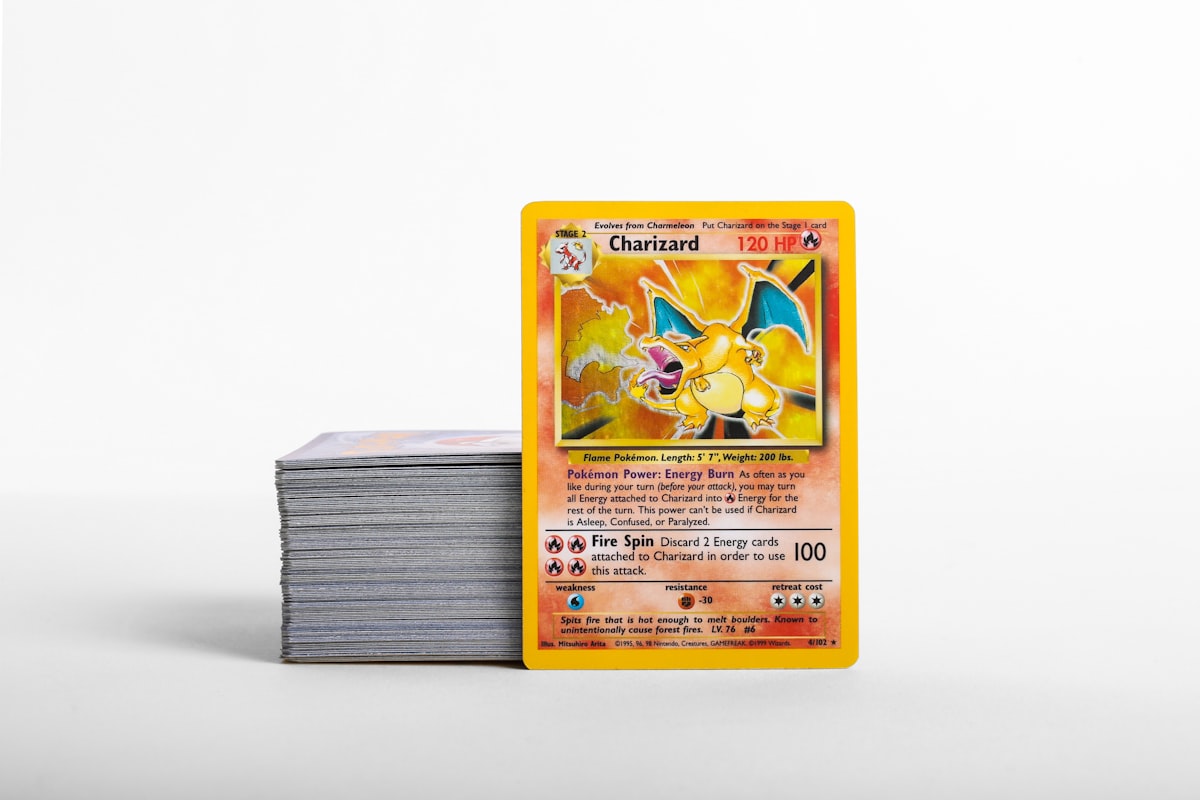
Singles buys you a specific card you've decided you want. Zero variance. Full control over what enters the collection. This is the path veteran collectors lean into as their hobby matures, chasing exactly the cards that complete sets, fill gaps, or anchor the showcase corners of the collection.
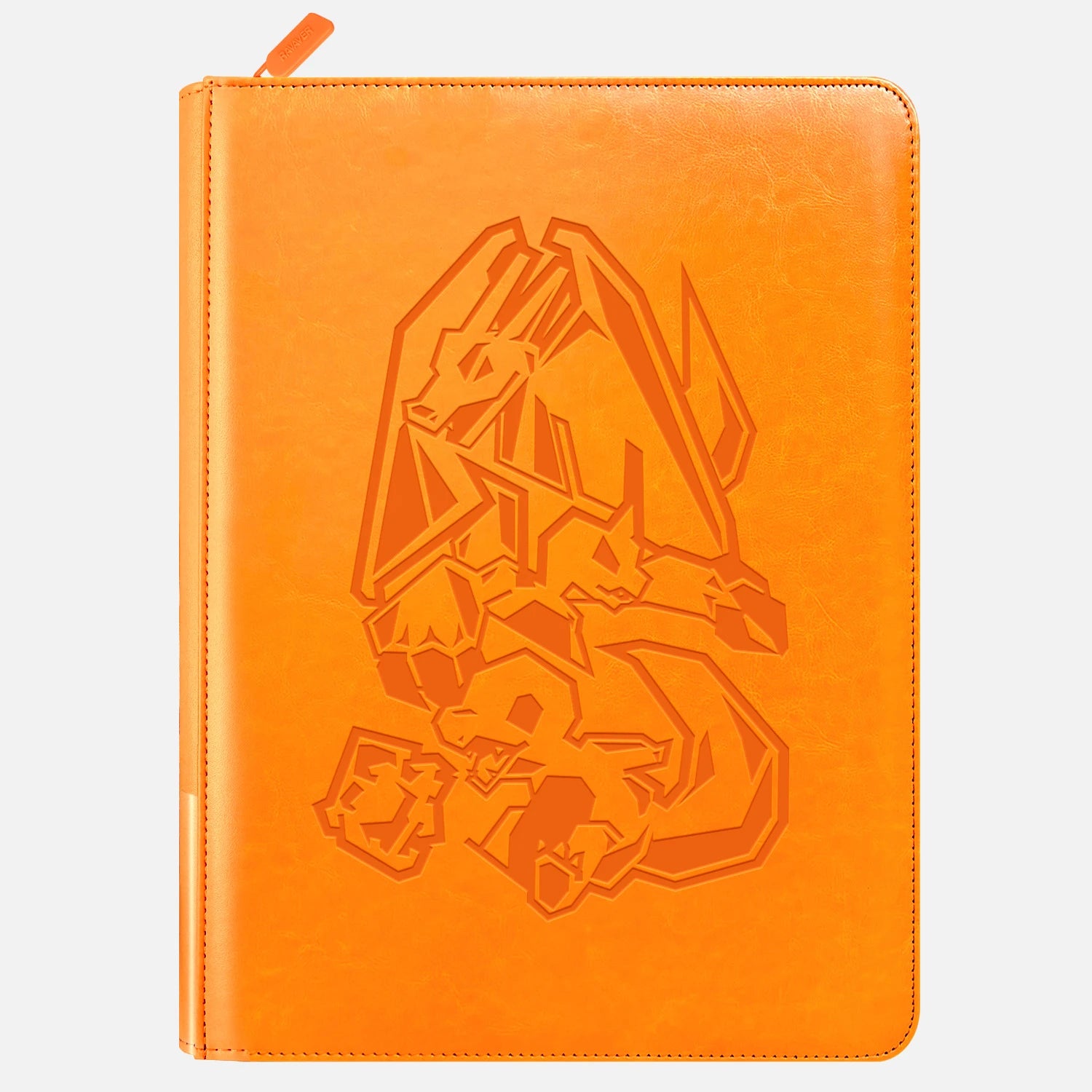
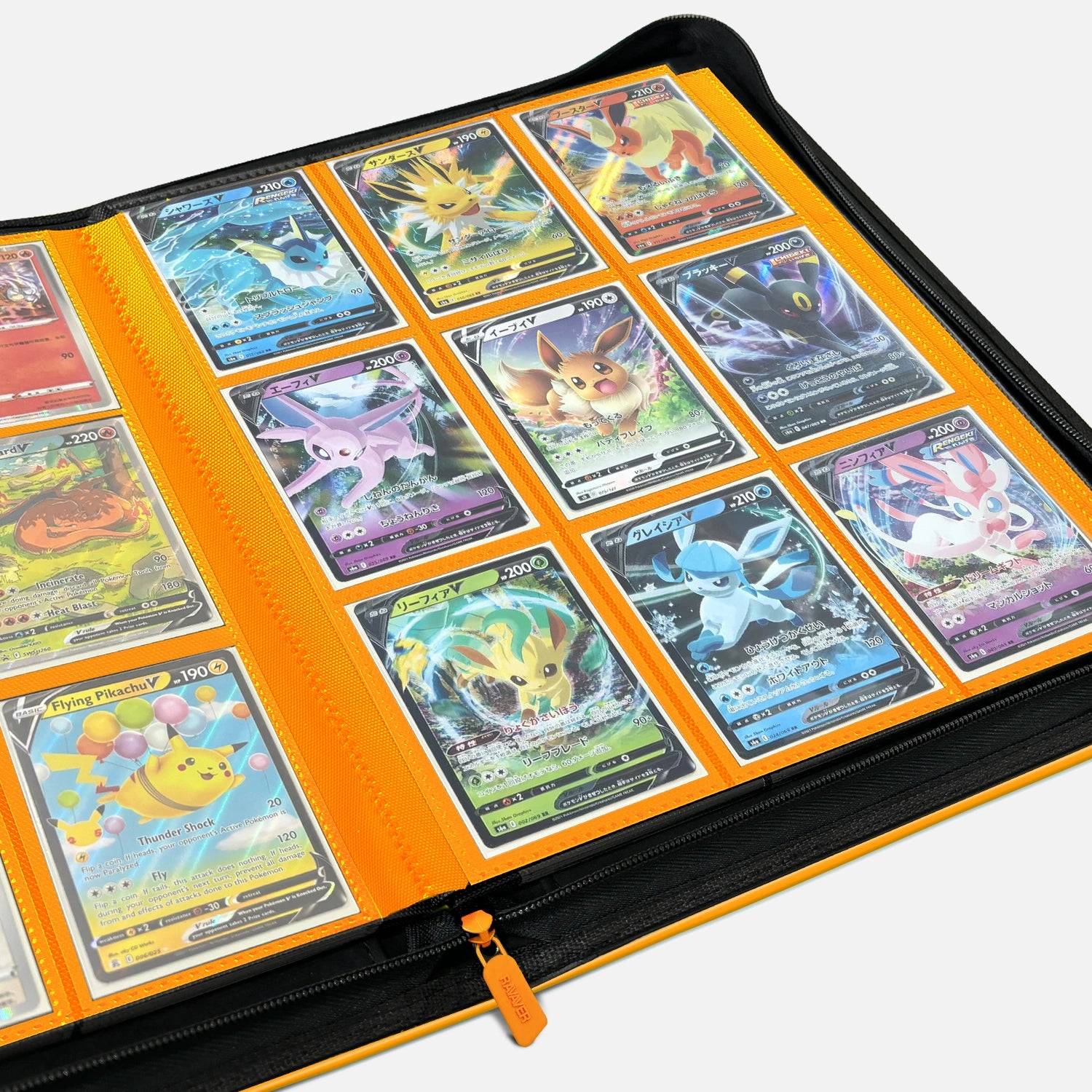
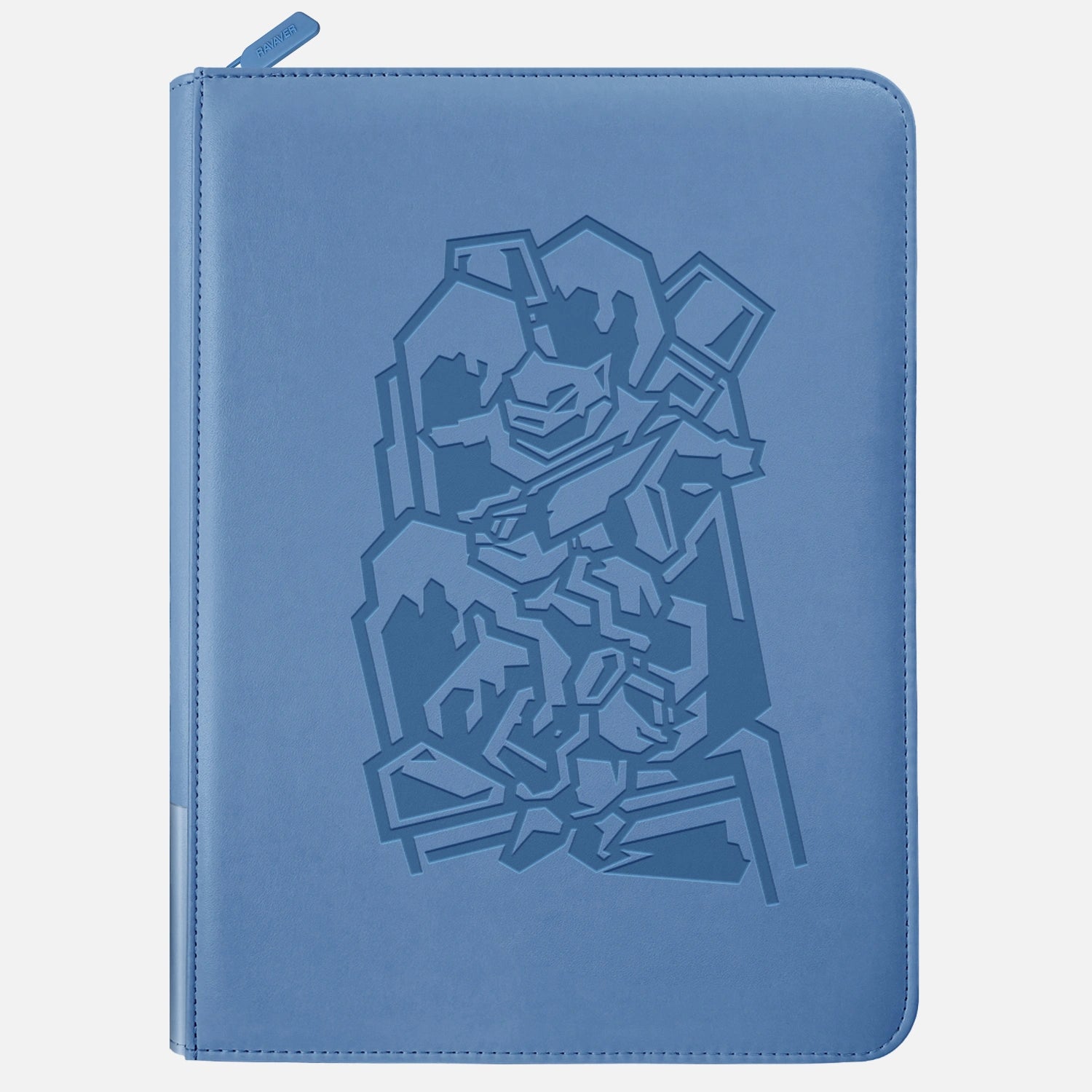
Storage upgrades buys you better infrastructure for everything you already own. A premium binder, fresh sleeves, premium toploaders, deck boxes, long-term storage. Storage is the only path that improves the experience of every other collecting activity you do for the next several years.
Head-to-head comparison table
| Factor | Sealed Product | Singles | Storage Upgrade |
|---|---|---|---|
| Variance | Very high | Zero | Zero |
| Daily touch frequency | 0x (one-time event) | 0-2x/week if displayed | 3-7x/week |
| Social visibility | High during opening | Moderate | High at shows and trade nights |
| Improves other purchases? | No | No | Yes, protects everything you own |
| Resale potential | Sealed boxes appreciate slowly | Highly card-dependent | None |
| Regret rate (veteran self-reports) | Moderate-high (especially post-pull) | Low if researched | Very low |
| $200 typical purchase | 1 booster box or 2 bundles | 1 mid-tier graded card or 3-4 singles | Premium binder + sleeves + toploaders |
| Best for collector stage | Year 1-3 active chasing | Year 3+ targeted set completion | Any stage with a friction point |
The maturity-stage decision matrix
Where you are as a collector matters more than which option has the highest ROI on paper. Match the upgrade to the stage you're actually in, not the stage you want to project.
Year 1-2: New collector still discovering the hobby
Default to sealed. You're still building taste, figuring out which sets you love, which Pokemon you gravitate to, and what your collection's identity is. Opening packs is how you discover all of that. Singles tend to be premature at this stage, you haven't decided which gaps matter yet. Storage upgrades can come once your collection has actually outgrown an entry-level binder, usually around month 8-12.
Year 3-5: Collection has shape, gaps are becoming visible
Default to a mixed allocation. Roughly 40% sealed, 30% singles, 30% storage. You know what you're chasing now, the gaps are real, and your gear is starting to show its limits. Veterans at this stage often underspend on storage because they remember what their entry-level binder cost and don't realize that a premium binder is doing different work entirely. The structural framework for splitting spending each month is the 1/3 rule for Pokemon collecting budgets.
Year 5+: Veteran collector with established collection
Default to storage and singles, with sealed as the discretionary remainder. Most veterans at this stage have unopened sealed product from prior years still in the queue. Adding more sealed dilutes the existing backlog. Singles and storage are where the marginal $200 produces the highest "I'm glad I bought this" payoff months later.
How the 2026 PSA pricing change shifts the math
The June 2, 2026 PSA value-tier pause changed the calculation for the singles bucket in particular. Before the pause, grading a $150 raw card was economically rational on Value tier, pay $20-25, get a PSA 10, sell for $400+. After the pause, the cheapest available tier is Regular at $79.99 per card, with all-in costs landing around $95-$110 after shipping and insurance (PSA).
That means your $200 in singles spending in 2026 buys you either one raw card you wanted, one grading submission with margin on a card you already own, or one already-graded card from the secondary market. It used to buy you two of those things at once.
The pause also makes the storage path more important than it was a year ago. Cards that would have been graded at $200-$300 raw value are now staying raw. They need premium storage and protection that does justice to them, which means the premium binder, sleeves, and toploaders in your collection are doing more display work than they used to. A premium binder didn't change in 2026, but its job description did. For the full ranked list of where storage spend actually pays off, see the 8 upgrades ranked by daily-touch frequency. If gift-giving rather than self-spending is the question, gift card vs booster vs binder covers that decision instead.
The friction-point test
The cleanest way to decide is to identify your collection's current biggest friction point, and spend on whatever solves it.
- Friction: "I haven't opened anything in months and it feels stale." Spend on sealed. The hobby is supposed to be fun, and the opening loop is part of the fun.
- Friction: "There's a specific card I keep thinking about and not buying." Spend on the single. Recurring mental loops about a specific card are the cleanest signal that the purchase is worth it.
- Friction: "My binder is bowing, my sleeves are scratched, my toploaders are yellowing, I can't find specific cards." Spend on storage. The friction is real and it's silently eating your enjoyment of everything else.
- Friction: "None of the above, everything's fine." Hold the money. The next legitimate trigger will arrive within 60 days and you'll be glad you have the budget waiting.
What veterans actually do with $200
From discussion threads on r/PokemonTCG and r/pkmntcgcollections where veterans share their actual monthly allocations, the most common pattern for an active 5+ year collector with $200 to spend is split, not single-bucket. A representative split:
- $80 on a premium binder upgrade or a new toploader binder for a specific set
- $60 on a single card from a wishlist (typically raw, given the new grading math)
- $40 on sleeves + toploader restock
- $20 either held or applied to a booster bundle if a new set is dropping
This split looks unsexy compared to "I spent the whole $200 on a graded Charizard" or "I bought a sealed Surging Sparks booster box." Sexy spending is what shows up in unboxing videos. Sustainable veteran spending is what shows up in collections that still feel good five years later.
Frequently Asked Questions
Is sealed product or singles the better Pokemon TCG investment in 2026?
Sealed product holds value more predictably, with sealed booster boxes from major sets typically appreciating 10-30% per year after they go out of print. Singles vary wildly, top-tier modern chase cards can multiply 5-10x when graded PSA 10, but they can also crater when reprinted. For pure investment, sealed is lower variance. For active collecting, singles let you control exactly what enters the collection.
How much should a Pokemon collector spend on storage relative to cards?
Active veteran collectors typically allocate 30-50% of their annual hobby budget to storage and gear, with newer collectors leaning closer to 20% and longtime collectors leaning closer to 50%. The shift happens naturally as the collection grows past what entry-level storage can handle. A useful benchmark: if you can't locate a specific card from your last completed set in under 30 seconds, your storage is the bottleneck.
Should I grade a $200 raw Pokemon card after the 2026 PSA price hike?
Usually no. With PSA Regular service at $79.99 per card and all-in costs around $95-$110 after shipping and insurance, a $200 raw card needs to grade PSA 9 or 10 with a strong multiplier to break even. For most $200 raw cards, the cleaner play is premium raw storage, a binder and toploader setup that protects the card while you wait for either value-tier service to return or for the card's value to climb to a clean grading threshold.
What's the best Pokemon TCG storage upgrade for $200 in 2026?
A premium zippered binder built for double-sleeved and toploaded cards (typically $60-$90), plus a year's worth of high-grade sleeves like Dragon Shield Matte or KMC Perfect Fit ($30-$50), plus a fresh stack of premium toploaders ($25-$40), with the remainder applied to deck boxes or long-term storage. This split covers daily-use, weekly-touch, and pull-event protection in one balanced purchase.
Why do experienced Pokemon collectors prioritize storage over more cards?
Because storage is the only purchase that improves the experience of every card already in the collection, plus every card added in the future. A new binder doesn't just hold your current chase cards, it holds the next two years of pulls, organizes the master set in progress, and travels with you to shows and trade nights. The daily-touch frequency on storage is dramatically higher than on any single card or sealed product, which is why veteran satisfaction surveys consistently rank storage upgrades highest in retrospective regret-rate measurements.
Sources:
- PokeGuardian, "Over 10 Billion Pokemon Cards Sold in Fiscal Year 2024-2025," retrieved 2026-06-02, pokeguardian.com
- PSA Card, official pricing updates, retrieved 2026-06-02, psacard.com
- Sports Illustrated, "Pokemon Powers 2025: PSA's Biggest Grading Year in Company History," retrieved 2026-06-02, si.com/collectibles