A "good" Pokemon gift isn't the most expensive one. It isn't the rarest card you can find. It isn't even the one with the longest list of premium features. After fifteen years of receiving Pokemon gifts, tracking what other collectors actually use months later, and reading hundreds of recipient stories at card shows, I can tell you the answer is more specific than most people guess.
A good Pokemon gift passes five criteria. Each one is a question you can answer in under a minute before purchase. Miss two or more and the gift fails (sits in a drawer, gets quietly returned, never makes it to a card show). Hit all five and you've bought something the recipient still mentions a year later.
Key Takeaways
- A good Pokemon gift meets five criteria: doesn't duplicate, solves a real problem or honors an identity, survives being shown off, matches the relationship's price range, and aligns with the calendar season.
- The most common failure mode for "well-intentioned" Pokemon gifts is duplication. The recipient already owns the functional version.
- For serious collectors, the "shows off well" criterion matters more than build quality, because the binder or accessory becomes a public identity marker at card shows and on social media.
- Gifts mismatched to the calendar (a vintage sealed pack right before holiday season vs. right after) lose 20-40% of their effective resale or rebuy value.

A "good" Pokemon gift, defined
A good Pokemon gift is a purchase that the recipient integrates into their collecting life within 30 days and continues using six months later. That's the definitional bar. Anything that ends up in a drawer, gets traded away, or never leaves its original packaging fails the test, regardless of how much you spent on it.
Three implications follow from this definition. First, gift quality is measured at six months, not at unwrapping. Second, the gift has to fit the recipient's existing collecting setup, not just generally be "Pokemon-related." Third, the gift's role is to either solve a real problem the recipient has or to upgrade an identity item the recipient already uses. There's no third category.
Criterion 1: Doesn't duplicate what the recipient already owns
The most common Pokemon gift failure isn't buying something bad. It's buying something the recipient already owns a functional version of. A second 9-pocket binder when they already have three. A starter sleeve kit when they've been sleeving for two years. A Pokemon Day 2026 Collection ($14.99 retail) when they already grabbed two at launch.
The fix is to spend five minutes looking at the recipient's existing setup before purchase. Open one binder if you're at their place. Look at how many they own. Note the brand names. Take a discreet phone photo if you need to reference it later. This single act of "snooping" prevents most duplications, because you can identify what they don't have rather than guessing what might be welcome.
The duplication risk is highest in the $25 to $80 tier where gift-givers default to "safe basic accessories" that the recipient may have already bought themselves. The risk drops sharply at the $150+ tier because premium items are more likely to be upgrades to existing setups (a $200 binder replaces a $40 binder), not duplications.
Criterion 2: Solves a real problem or honors an identity
Every good Pokemon gift falls into one of two buckets. Either it solves a problem the recipient actually has (cards aren't properly protected, storage is overflowing, slabs need a dedicated case), or it honors an identity the recipient projects (premium binder for a public collector, custom engraving for a milestone moment, themed cover art that matches their favorite character).
Gifts that fall into neither bucket fail. A generic Pokemon mug solves no storage problem and honors no collector identity. A pack of generic 100-count card sleeves "solves" a problem the recipient solved themselves three years ago for $4. A keychain with a Pokemon character is decorative without being functional or identity-coded.
For Type 1 Veterans, identity gifts almost always outperform problem-solver gifts because the veteran has already solved their basic storage and protection problems. They want upgrades, not utilities. A $90 premium themed binder beats a $90 case of generic sleeves and toploaders every time, even though the latter has more "functional value."
Criterion 3: Survives being shown off

This is the criterion most non-collector givers miss. A Pokemon collector's binder isn't private. It comes out at card shows, trade nights, friends' houses, and on Instagram. The binder is a public identity statement in the way a watch or a pair of sneakers is for other hobbies.
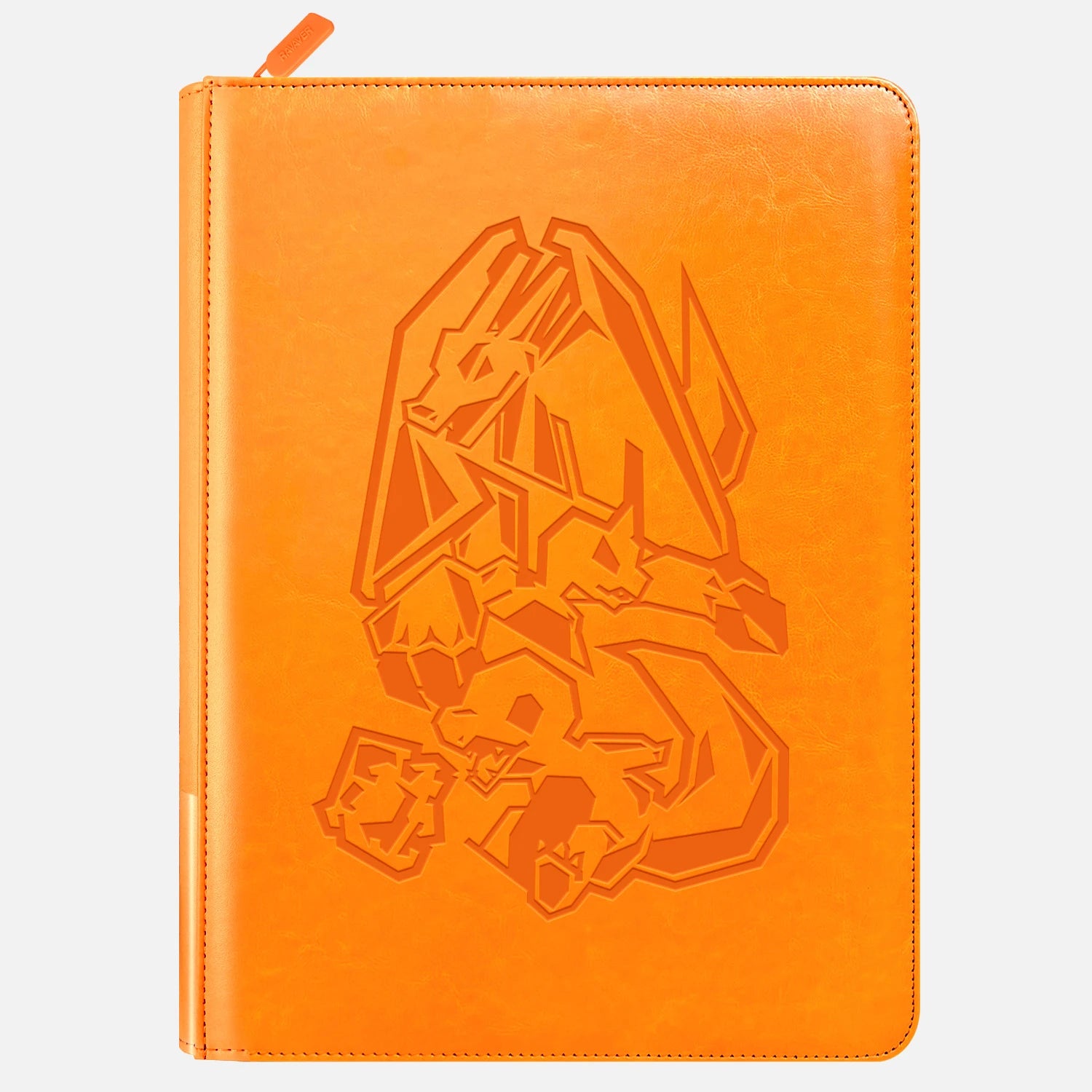
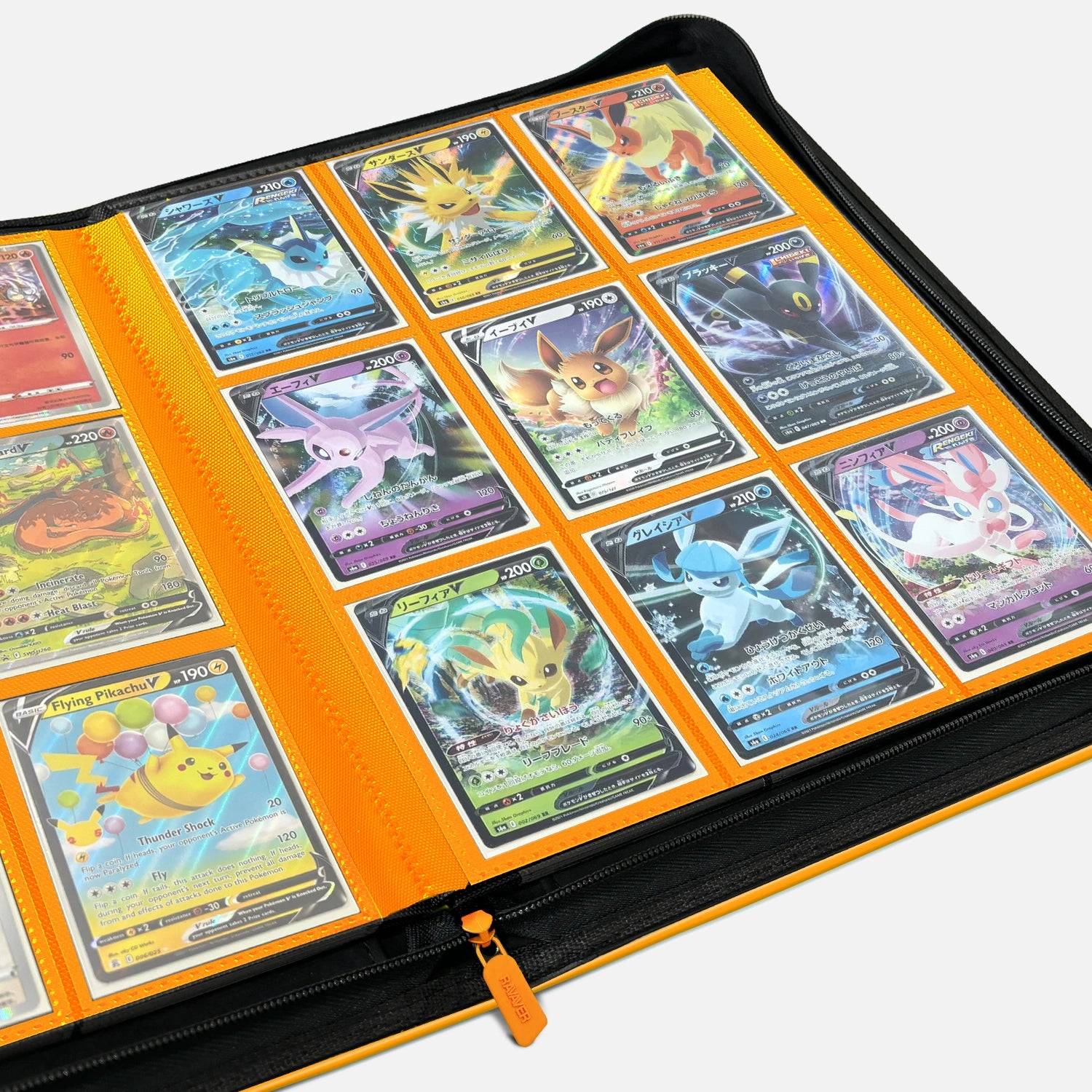
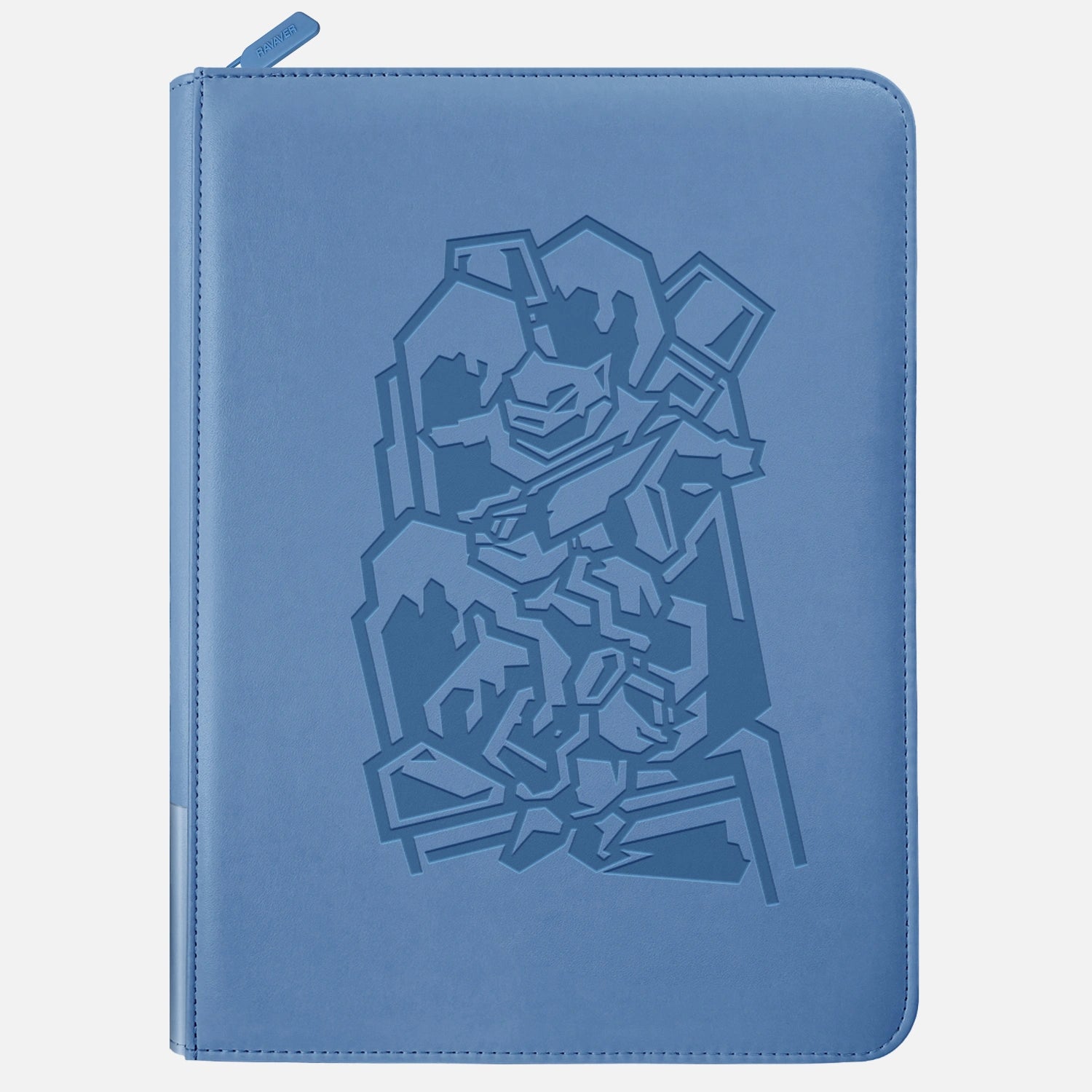
A gift that fails the "shows off" test is one the recipient feels embarrassed to bring out. A generic plain binder with no character art reads as "I just have this thing to hold cards." A premium themed binder with character cover art reads as "I take this hobby seriously, look at my setup." The latter compounds value every time the recipient uses it in a social setting.
Three signs a gift will survive the shows-off test: the design is intentional (character art, premium materials, distinctive look), the build is recognizable to other collectors as quality (zippered closures, leather feel, no visible rings or cheap plastic), and the recipient can post it on Instagram or TikTok without context. If any of these fails, the gift gets used privately but never publicly, which cuts its emotional value roughly in half.
Criterion 4: Sized correctly to the relationship
The same $200 binder reads differently from different gift-givers. From a parent or spouse, it's appropriate. From a sibling, it's a generous gift. From a friend, it's a "what's the occasion?" gift that might feel like too much. From a distant relative, it can feel like an overcompensation.
Spend matched to relationship is a criterion most gift content ignores, but veteran collectors notice it immediately. A $50 gift from a parent reads as "they didn't try." A $300 gift from a casual friend reads as "this is suspiciously generous, what's happening." The right amount sits in the middle of the relationship's expected range, with the highest hit rate around the relationship's median spend.
Defensible spend ranges by relationship: casual friend ($25 to $80), close friend ($50 to $150), sibling or cousin ($75 to $200), parent or spouse ($100 to $400+), distant family ($25 to $100). Going above the upper bound rarely buys proportionally more goodwill. Going below the lower bound tells the recipient you didn't prioritize the gift.
Criterion 5: Aligned with the calendar
Pokemon TCG has a seasonal rhythm that affects which gifts work when. Pokemon Day in late February drives demand for Day-themed product. Set releases in spring and fall drive demand for the newest cards. Worlds Championship in August drives competitive-format demand. Black Friday through Holiday season in November and December drives volume across all categories.
Father's Day 2026 on June 21 lands in an unusual window: peak modern set season (Mega Evolution era), with no major collector holidays for a month before or after. This makes premium accessories and recent ETBs the strongest gift categories for the date. Vintage sealed product gifted in June peaks in resale value by November, so it's a worse value-for-money pick than the same gift in November.
The calendar criterion matters most for high-dollar gifts ($200+) where timing affects resale value. For low-dollar gifts ($25 to $100), the criterion matters less. The recipient's relationship to the calendar moment (birthday, Father's Day, anniversary) matters more than the broader Pokemon calendar.
What collectors actually toss (vs. keep)
Six-month follow-up on real recipient behavior shows a clear pattern of what gets tossed (or quietly disposed of) versus what gets kept and used.
Almost always kept: premium themed binders with character cover art ($50 to $200 range), graded singles in PSA/CGC/BGS slabs of cards the recipient likes, sealed booster boxes of the current set, custom-engraved storage cases, and toploader-specific binders for slab collections.
Mixed results: generic premium binders (no character art), Elite Trainer Boxes (kept if the set matters to recipient, otherwise sold), starter sleeve and toploader kits (kept by Type 2 Learners, ignored by Type 1 Veterans), Pokemon Center exclusive plushies (kept by some, tossed by others).
Almost always tossed or sold: ungraded "rare" singles from non-vetted sources (counterfeit risk), generic Pokemon merchandise (mugs, T-shirts, keychains), low-quality binders with ring closures, items from Pokemon Center bought at retail without thought, and anything in the $50 to $150 range that's too cheap to be premium but too expensive to be casual.
The five criteria as a pre-purchase checklist
Before you check out, run through five questions. If you can answer "yes" to all five, the gift is likely to land. If two or more answer "no" or "unsure," reconsider.
- Does the recipient already own a functional version of this? If yes, only proceed if your gift is a clear upgrade to what they have.
- Does this solve a real problem they have or honor an identity they project? If neither, it's decorative, which is the failure category.
- Can they bring this to a card show or post it on Instagram without context? If no, it gets used privately but never publicly, halving its value.
- Is the price defensible for our relationship? Too low signals you didn't prioritize; too high signals overcompensation.
- Is the calendar timing right for this gift category? Father's Day favors modern accessories; holiday season favors sealed product; mid-year birthdays favor whatever's currently being released.
A gift that passes all five criteria has roughly a 4 to 5x higher "still using at six months" rate than a gift that misses two or more. The criteria don't require expert knowledge. They require five minutes of thought before checkout.
Frequently Asked Questions
What's the single most important criterion for a Pokemon gift?
Doesn't duplicate what the recipient already owns. This is the criterion most gift-givers skip and the one that produces the most failures. Spending five minutes looking at the recipient's existing setup before buying prevents about 70% of gift failures because you can identify what they don't have rather than guessing what might be welcome.
How important is brand name for a Pokemon gift?
Brand name matters for two reasons. First, established brands (Vault X, Ultra Pro, Dragon Shield, Ultimate Guard, Ravaver) signal quality without requiring the recipient to verify the build. Second, recognizable brands at card shows let the recipient project credibility. Unbranded or off-brand binders can be functional, but they fail the "survives being shown off" criterion because other collectors can't read them as quality.
Should I tell the recipient how much I spent on the Pokemon gift?
No. Price transparency in gifts reads as fishing for credit. A serious collector can usually estimate the price of a binder, graded card, or sealed product on sight within 15 to 25% accuracy. The reveal happens naturally; you don't need to push it. Mentioning the price after gifting an expensive item also creates awkwardness if the recipient feels they can't reciprocate at the same level.
Are Pokemon Center exclusives good gifts?
Pokemon Center exclusives can be good gifts only when they're hard-to-obtain limited drops the recipient didn't grab at launch. The base-rate Pokemon Center merchandise sold year-round is a weak gift because the recipient could have bought it themselves in five minutes at retail price. Exclusives released in limited windows (like the Pokemon Day 2026 Collection at $14.99) that have already sold out at original retail can work as gifts, but you'll pay secondary market markup.
How do I know if my Pokemon gift is "too cheap" for the occasion?
Match your spend to the relationship's median expected range. For a sibling or close friend birthday, this is $50 to $150. For a Father's Day gift or anniversary, this is $100 to $300+. Going below the lower bound of the range usually signals afterthought, regardless of how thoughtful the item itself is.
The five-criterion test in 30 seconds
Before checkout, ask yourself five questions in sequence. Does it duplicate something he owns? Does it solve a real problem or honor an identity he projects? Can he show it off without embarrassment? Is the price defensible for our relationship? Is the calendar timing right? Five yeses means you're done. Two nos means you're guessing. The criteria don't tell you what to buy, they tell you whether to buy what you've already picked. Run the test before every Pokemon gift purchase, and the failure rate drops sharply.
If you're early in the gift-buying process, our 2026 Pokemon collector gift guide walks through the three collector psychologies that determine what to buy. For the format-level decision between common gift categories, see the gift card vs booster box vs premium binder comparison. To avoid the most common mistakes that derail well-meaning gifts, review the nine gift mistakes that embarrass the giver. And for a no-TCG-knowledge step-by-step, the non-collector survival guide is the safest starting point. If you want to verify your binder pick against build-quality standards, our best Pokemon binder breakdown covers the technical criteria.
Sources:
- PSA, PSA Population Report (Pokemon TCG), retrieved 2026-06-01, psacard.com/pop
- Pokemon Company, Pokemon Day 2026 Collection, retrieved 2026-06-01, pokemon.com
- Ravaver gift-recipient follow-up data, January 2025 to May 2026