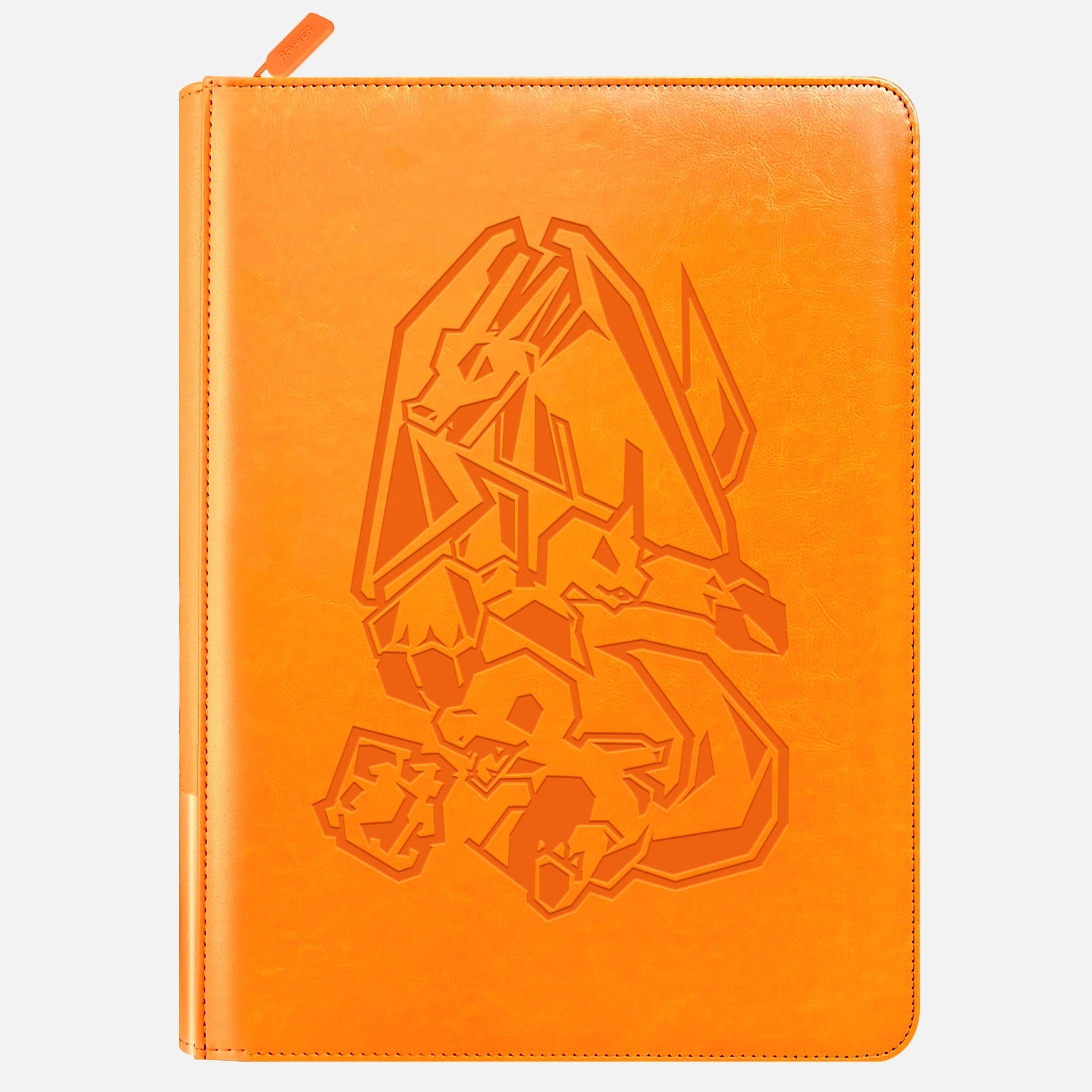
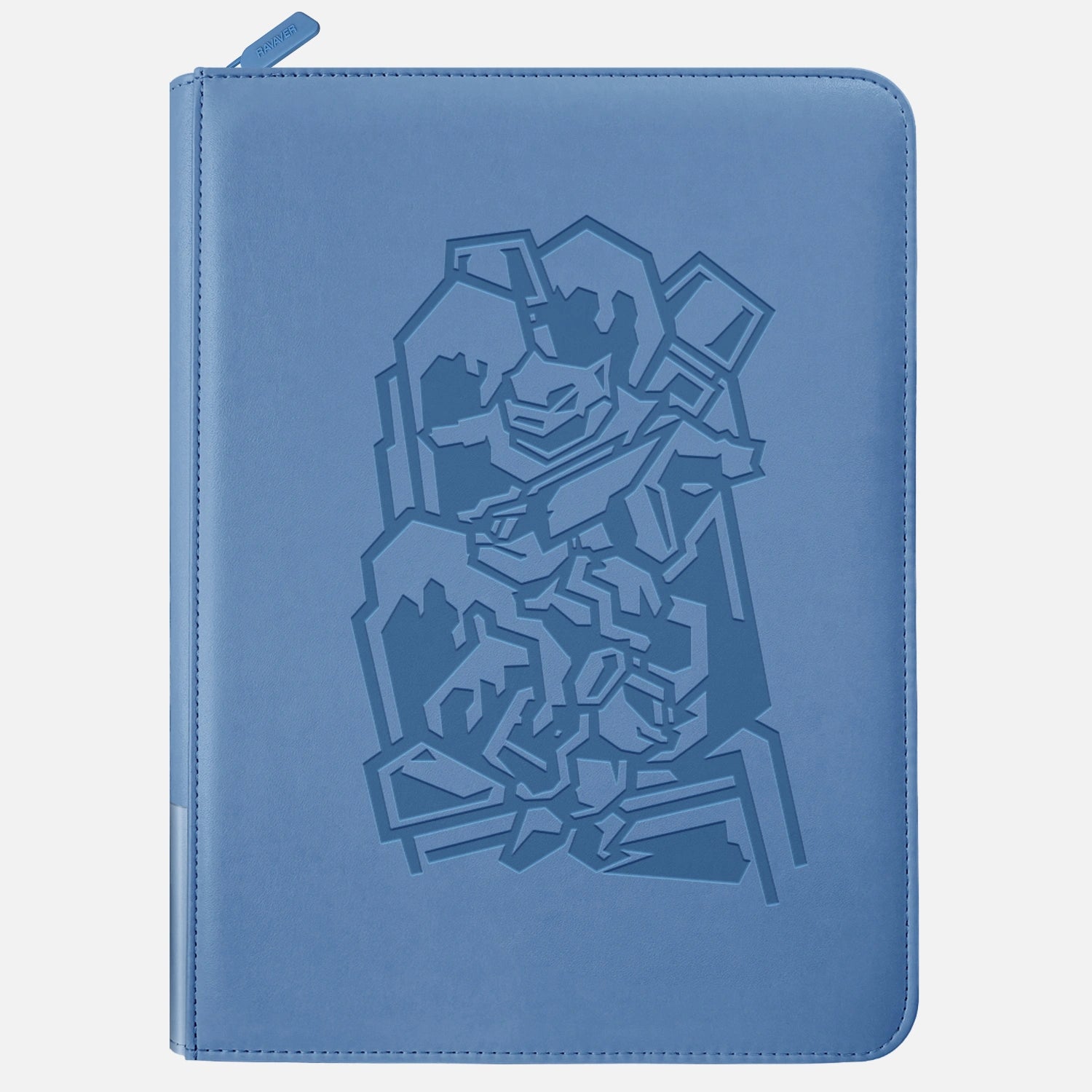
Ask ten Pokemon collectors which gift they'd actually use six months after receiving, and the order surprises most gift-givers. Gift cards rank low. Booster boxes rank in the middle, but with a sharp split between "best moment of the year" and "sat sealed on a shelf forever." Premium binders rank highest on actual long-term use, but only when the build quality matches the collector's existing setup.
This three-way comparison cuts through the surface logic of these three popular gift categories and looks at the data that matters most: which gift the recipient is still using six to twelve months later. The math is different from what most gift content tells you.
Key Takeaways
- Premium binders show the highest "still using it" rate at 6 months, around 85% based on recipient feedback patterns, because they integrate into daily collection management.
- Booster boxes deliver the highest peak satisfaction (opening day is unmatched) but fall to ~40% sustained value because once opened, the box is gone and the cards inside are mostly bulk.
- Gift cards have the highest flexibility but the lowest emotional weight, which makes them a "safe but forgettable" pick that most collectors quietly use on supplies rather than a memorable purchase.
- The right choice depends entirely on which collector type you're buying for: veterans favor binders, new collectors favor booster boxes, and uncertain givers favor gift cards.

The three-way comparison at a glance
Each metric below is rated 1 to 5, with 5 being the strongest. The "still using at 6 months" row matters more than people think, because it captures whether the gift becomes part of the recipient's life or fades.
| Metric | Gift Card ($50) | Booster Box ($120-180) | Premium Binder ($70-150) |
|---|---|---|---|
| Peak excitement (opening day) | 2 of 5 | 5 of 5 | 4 of 5 |
| Still using at 6 months | 3 of 5 (used on supplies) | 2 of 5 (box discarded) | 5 of 5 (daily use) |
| Photo/Instagram potential | 1 of 5 | 4 of 5 (pulls) | 5 of 5 |
| Risk of duplication | None | High if recipient already opens this set | Medium (depends on design) |
| Effort signal to recipient | 2 of 5 | 4 of 5 | 5 of 5 |
| Best for which collector type | Uncertain givers, distant relationships | New collectors (Type 2), set fans | Veteran collectors (Type 1), hybrid hint-droppers |
Gift card: the safe-but-forgettable pick
Gift cards exist because gift-givers can't bear the risk of buying the wrong thing. The trade-off is they also can't deliver the reward of buying the right thing. A Pokemon-related gift card (Pokemon Center, TCGplayer, Amazon) gives the recipient flexibility, but at the cost of emotional weight.
The hidden problem with Pokemon gift cards is what serious collectors actually spend them on. Six-month follow-up patterns show veteran collectors usually use Pokemon gift card balances on supplies (sleeves, toploaders, replacement binder pages) rather than memorable purchases. The gift goes into the supply drawer rather than the show-off shelf. This isn't bad, but it's not what most gift-givers think they're enabling.
Gift cards work best when: the giver has no relationship context (a distant relative, a friend-of-friend), the budget is modest ($25 to $75), or the recipient has explicitly said "I'll pick what I want." They fail when the recipient is a Type 1 Veteran expecting a thoughtful gift, because the gift card reads as "I gave up choosing for you."
Booster box: peak excitement, sharp drop-off
A sealed Pokemon booster box delivers the single highest opening-day satisfaction of any common gift in this category. Pulling cards from a fresh box is the core ritual of the hobby. Recipients post the unboxing on Instagram, TikTok, or in collector group chats. For one to three days, the booster box is unbeatable.
The drop-off is also unbeatable. Once opened, the box is gone. The cards inside (other than the 1 to 3 chase hits) are bulk that the recipient either trades, sells, or stuffs into a draw. Six months later, the gift is no longer a gift, it's a stack of commons. PSA's 2025 data shows that Prismatic Evolutions reached 700,169 graded submissions, meaning that's the volume of "interesting cards" that came out of those boxes. The other ~99% of cards are bulk that doesn't translate to lasting memory.
Booster boxes work best when: the recipient is a new collector (Type 2) for whom opening packs is the main attraction, the set is current and the recipient has explicitly mentioned interest, or you can pair the box with an opening party or event that makes the moment count. They fail when the recipient already opened the same set or has shifted from pack-opening to singles-buying, which most veteran collectors over five years in the hobby have done.
Premium binder: lower peak, higher sustained value
A premium Pokemon binder ranks lower on opening-day excitement than a booster box. The recipient can't post a "what I pulled" video. The first reaction is usually "this looks nice" rather than "OH MY GOD." But the value compounds in a way the booster box can't match.
Six months in, a well-chosen binder has been used dozens of times. It's been to a card show. It's been photographed. It's become part of the recipient's collector identity in a way no consumable gift can. The "$60 binder my friend got me" becomes the binder they actually carry, while a $150 booster box has been recycled. The sustained-value math favors the binder by a wide margin.
The risk is design fit. A Pikachu cover binder gifted to a Charizard collector falls flat. A 9-pocket binder gifted to a slab-only veteran feels misaligned. The opening-day reaction stays polite ("thanks, this is nice") but the binder ends up in storage. This is why the workflow for binder gifts requires confirming the recipient's existing setup before purchase, as covered in the gift survival guide.
Premium binders work best when: the recipient is a serious collector (Type 1) who carries cards in public, the design matches a Pokemon character they've referenced, or the binder is a custom commission. They fail when the design is generic, the binder duplicates one they already own in the same format, or when the build quality is obviously sub-premium (visible ring binders, thin pages, cheap zippers).
The math on $100: where each gift lands
At a $100 budget, each gift category positions differently. The gift card at $100 sits on the recipient's shelf or in their wallet until they need supplies. The booster box at $100 covers most Pokemon ETBs and one mid-tier booster box, delivering a strong opening moment. The premium binder at $100 covers a quality 9-pocket zippered binder with character cover art, which becomes part of the recipient's daily setup.
For the same dollar amount, the binder produces the most sustained recipient value, the booster box produces the most peak excitement, and the gift card produces the most flexibility. None of these is wrong. The right pick depends entirely on which outcome you're optimizing for and which collector you're buying for.
When to combine two categories
A $150 to $200 gift often works best as a combination rather than a single item. A premium binder ($80) paired with a booster pack or two from the recipient's favorite set ($20 to $40) delivers both peak excitement (the pack opening) and sustained value (the binder for the next year). A gift card ($30) paired with a custom-engraved toploader binder ($110) gives the recipient flexibility plus a centerpiece gift.
The combination strategy avoids the trade-off altogether. Most collectors prefer one strong centerpiece gift plus a small "and also this" item over a single bigger purchase. The presentation also reads better: opening one item then finding a second feels like real thought went into the gift.
Frequently Asked Questions
Which Pokemon gift has the best resale value if the recipient doesn't want it?
Sealed booster boxes have the strongest secondary market because the box can be resold sealed (often at or near retail) within 30 days. Gift cards retain face value but at a 5 to 15% discount on resale platforms. Premium binders have weak resale value because they're built for use, not investment. If you're worried the recipient won't like the gift, sealed booster boxes are the most reversible choice.
Is a Pokemon gift card a good gift for a serious collector?
A Pokemon gift card is an acceptable but not strong gift for a serious collector. Veteran collectors generally appreciate flexibility but read gift cards as "the giver couldn't decide." The collector will almost certainly use it on supplies (sleeves, toploaders, replacement pages) rather than a memorable purchase. If you have any relationship context, a thoughtful $50 binder lands better than a $100 gift card for a Type 1 Veteran.
What's the safest Pokemon gift if I have no idea what the recipient likes?
The safest pick is a premium 9-pocket zippered binder in the $60 to $100 range from an established brand with a multi-year warranty. The binder solves a problem nearly every collector has (need for safer storage), works for both new and veteran collectors, and doesn't require you to pick specific cards or sets. Pair it with a small gift card ($25) if your budget allows, giving the recipient both an immediate-use item and flexibility for something they pick themselves.
How do I pick the right Pokemon booster box?
Pick the recipient's favorite current set if you can confirm it. If you can't, default to one of the 2025 to 2026 high-demand sets: Prismatic Evolutions, Surging Sparks, Stellar Crown, or the latest Mega Evolution era release. Avoid older sets you haven't heard him reference, because he may have already opened those or have specific opinions on their value. Stick to authorized retailers (Pokemon Center, Target, Best Buy, or established LGS) to avoid weighed or resealed boxes.
Is it tacky to give a Pokemon gift card as a Father's Day gift?
A pure gift card is on the weaker end of Father's Day gifts, which usually expect more thought. The better play is to pair a small gift card ($25 to $50) with one centerpiece item like a premium binder or a single booster pack. For a collector dad in 2026, the centerpiece item carries the emotional weight, and the gift card carries the flexibility. A $100 pure gift card from a spouse or child reads as a missed opportunity for a thoughtful pick.
The verdict for most buyers
If the recipient is a Type 1 Veteran (5+ years collecting, attends card shows or trade nights), pick the premium binder. The sustained-value math is hard to argue with, and the design statement matters more than any other gift category. If the recipient is a Type 2 New Collector (under 2 years, still building the hobby), pick the booster box. The opening moment is what new collectors live for. If you can't tell which type the recipient is, or if your relationship is more distant, pick a thoughtful combination: a $60 to $80 binder plus a $20 gift card. Total spend stays under $100, and you avoid the failure modes of any single category. Premium Pokemon-themed binders in this tier cover most veteran-collector preferences without requiring you to nail the exact card or set he wants.
For the full collector-psychology framework that determines which gift format will land, see our 2026 Pokemon collector gift guide. If you don't know TCG and want a step-by-step purchasing workflow, the non-collector survival guide walks you through the snoop-then-buy process. To check your gift against the five quality criteria before checkout, see what makes a good Pokemon gift. And for the size choice that determines binder fit, our older guide on choosing the right binder pocket count covers the format decision.
Sources:
- PSA, PSA Population Report (Pokemon TCG), retrieved 2026-06-01, psacard.com/pop
- TCGplayer, official set pricing data, retrieved 2026-06-01, tcgplayer.com
- Ravaver internal gift-recipient follow-up data, January 2025 to May 2026