Three display methods dominate Pokemon collector setups in 2026: the premium binder, the wall-mounted display frame, and the modular toploader wall. They look alike at first glance, but they solve fundamentally different problems. Pick the wrong one and you end up either over-protecting cards nobody ever sees, or hanging your collection in a way that fades the holos inside a year.
This comparison is the head-to-head most collectors actually need before spending money. Same collection, three different display goals, three different answers.
Key Takeaways
- Binders win for active collections, travel, and showing many cards at once.
- Display frames win for single grail cards where condition and presentation are both critical.
- Toploader walls win for modular, low-cost, swap-friendly setups across many mid-tier holos.
- Cost per card varies by 30-50x across these three methods, which is why matching method to card tier matters.
- Most experienced collectors use at least two of the three, not all one method. See the full 2026 display guide for the broader framework.
What does each display method actually do?
For the wider context on display methods, UV protection, and rotation strategy, see the 2026 complete display guide. This article is the side-by-side comparison.
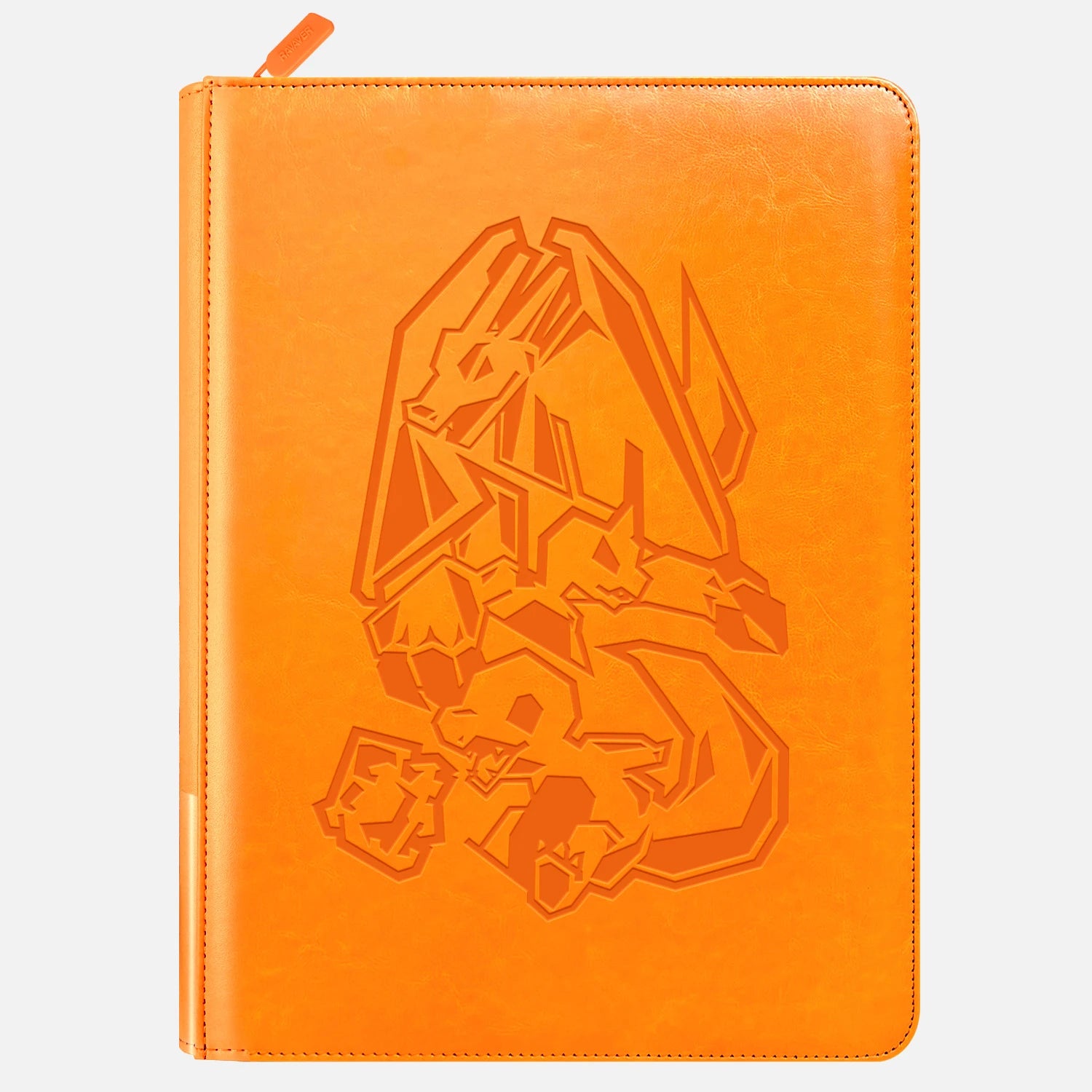
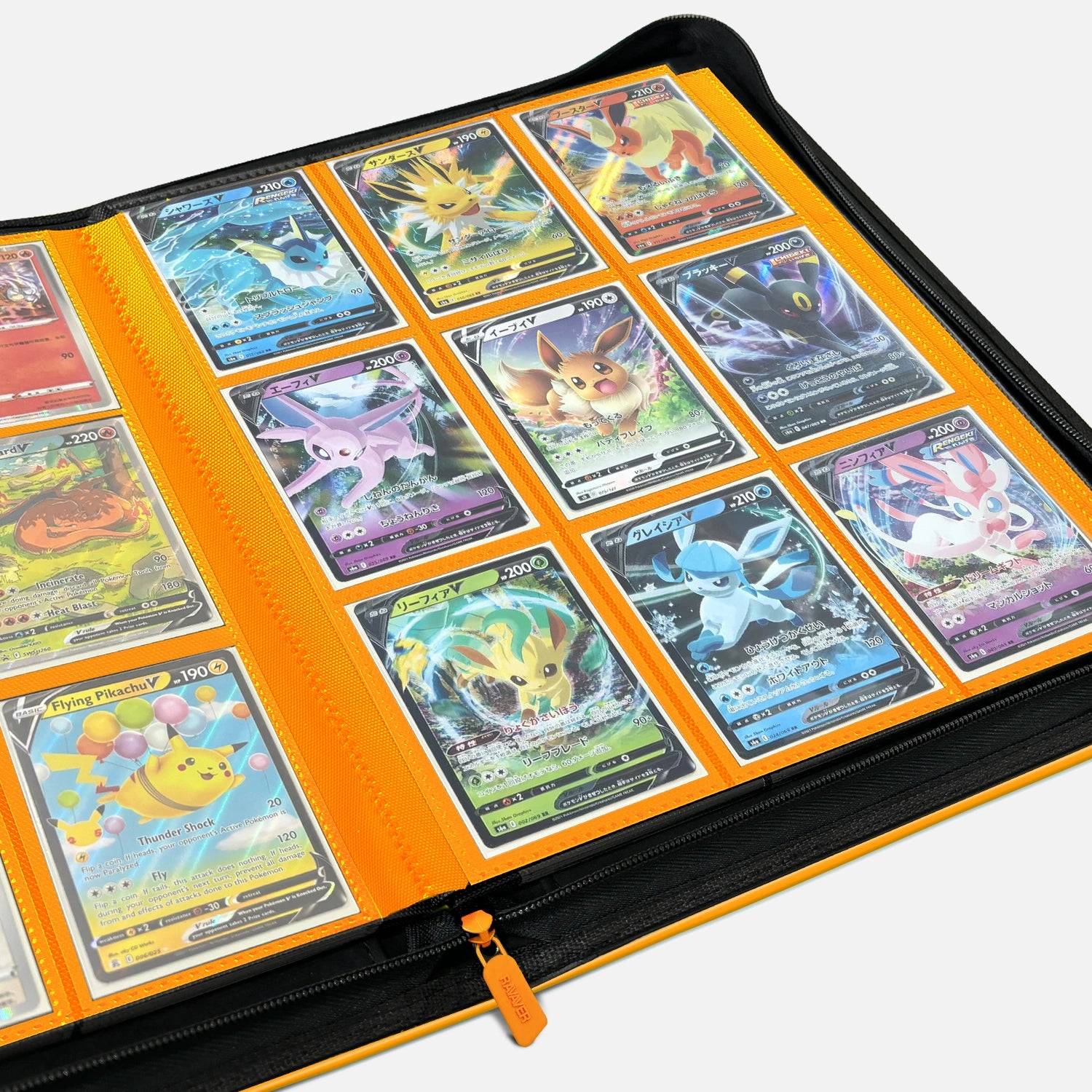
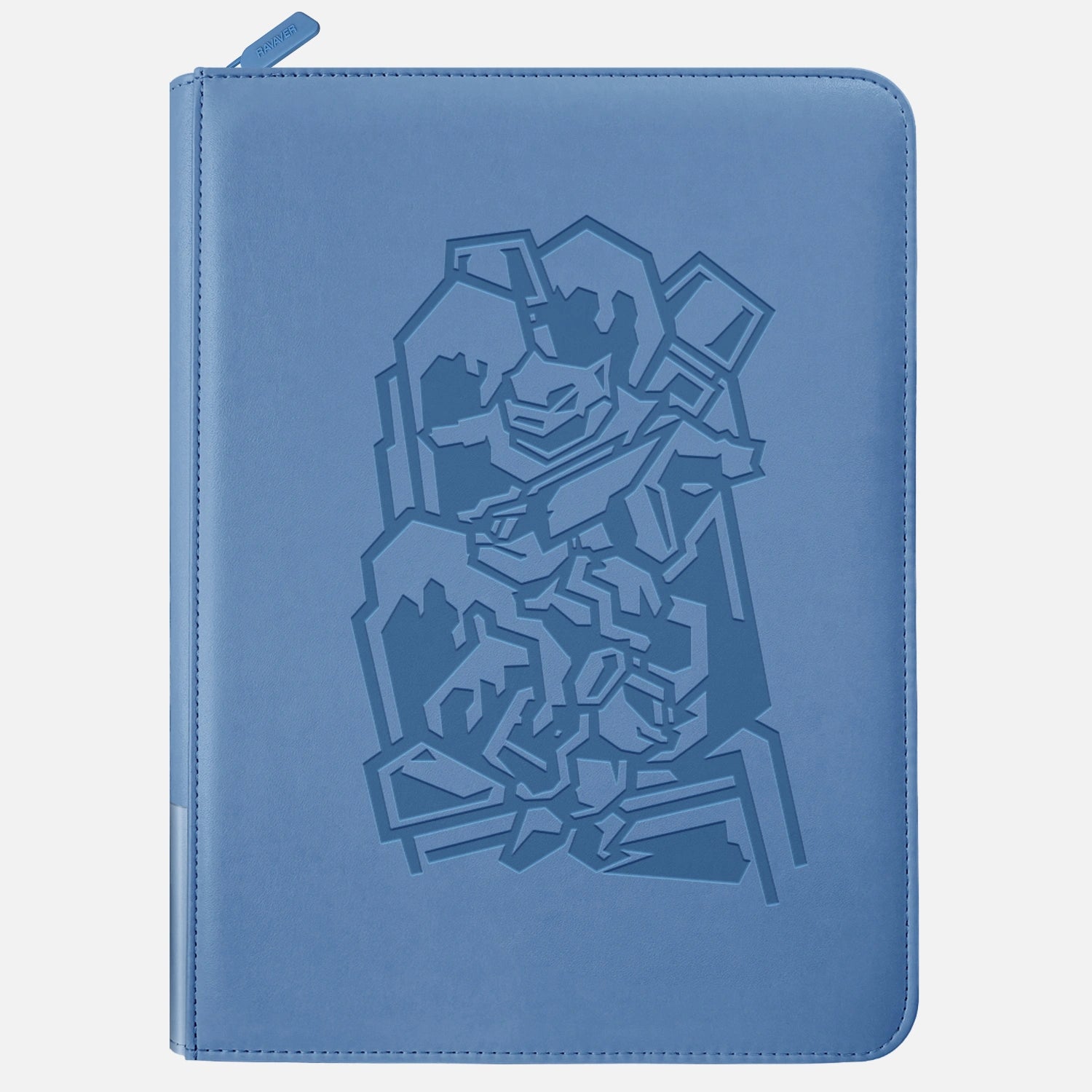
A premium binder is a closeable, portable archive that turns into a display when opened. The cards are protected against light and dust most of the time, then visible when the binder is flipped through. Capacity ranges from 360 to 720 cards across multiple pockets. This is the format with the lowest cost per card and the highest travel-readiness.
A wall-mounted display frame, usually for a single PSA or CGC slab, is fixed display. The card is permanently visible behind UV-filtering acrylic. Capacity is one card per frame, sometimes two to four in multi-slot units. Cost per card is dramatically higher than a binder slot, but the presentation is gallery-quality.
A toploader wall is a modular grid of single-card frames, each holding a toploader-sleeved raw card. Capacity scales by adding panels, usually 6, 9, or 18 cards per panel. It's the middle ground in cost and the most flexible to rearrange.
How do they compare on cost, capacity, and protection?
| Factor | Premium Binder | Display Frame (slab) | Toploader Wall |
|---|---|---|---|
| Typical capacity | 360-720 cards | 1-6 slabs | 6-18 cards per panel |
| Cost per card displayed | $0.10-0.30 | $15-30 per single, $60+ for multi | $1-3 per slot |
| UV protection | Excellent (cards stay covered) | UV-filtering acrylic standard | Depends on frame, often basic |
| Visible at all times | No (open to view) | Yes | Yes |
| Travel-friendly | Yes, designed for it | No | No |
| Swap-friendly | Easy (pocket slots) | Hard (fixed mounting) | Easy (slide in/out) |
| Fits graded slabs | Some (slab-compatible binders) | Designed for it | No (toploaders only) |
| Best for | Active collection, card shows | Single grail cards, gifts | Gallery walls, rotating favorites |
The numbers point to where each method earns its place. A 480-card binder at $60-80 lands around 12-17 cents per card. A single slab frame at $25 is a 100x cost increase per slot. A toploader wall splits the difference at $1-3 per card.
Which is best for a card show or trade table?
Binder, every time. The whole point of a card show display is portability with reveal-ability. A binder flips open in front of a potential trader, lets them see twenty cards at once, and closes when the trade is done. Frames and toploader walls are wall furniture. They don't move.
This is also where premium binders pull ahead of generic ring binders. Toploader-compatible binders with full zip closures and no internal rings prevent the two most common card show problems: cards sliding out mid-flip, and ring-pressed corners on cards that lived in cheap binders for years. Among r/PokemonTCG users who post trade table photos, the visible upgrade from a generic binder to a premium one is usually the most-commented detail in the thread.
Which is best for a single grail card?
Display frame, no contest. A $300 PSA 10 Charizard deserves its own moment. Sliding it into pocket 47 of a binder, or onto a toploader wall next to bulk holos, undersells the card. A single-slab shadowbox from brands like Graded and Framed or BCW costs $25-40 and turns one card into a piece of room decor.
The cost looks high until you compare it to how much was already spent acquiring and grading the card. If grading fees ran $30 and the card itself was $250, a $30 frame is 10% on top to make the whole thing actually visible. That math gets even better for vintage WOTC slabs in the four-figure range.
Which is best for a rotating wall of favorites?
Toploader wall. The whole point of this format is swap-friendliness. A modular grid of 9-12 frames lets a collector rotate cards in and out monthly, follow the new sets as they release, and refresh the look without buying new frames each time. It's also the cheapest way to fill an entire wall, which matters for gallery setups where 20-30 cards are on display.
The trade-off is UV protection. Most cheap modular frames don't list UV specs, which means raw cards on a sun-facing wall will fade. The fix is either picking a frame that explicitly markets UV-filtering, or running the wall in a low-light room where rotation handles the fade risk.
Can these methods coexist in one collection?
That's how most experienced collectors actually run it. The binder holds the active rotation, including new pulls, cards being considered for grading, and travel-ready trade fodder. A handful of single-slab frames hold the grails, usually centered on a focal wall. A toploader wall covers the in-between layer, the holos that don't justify grading but still deserve to be seen.
This three-tier system is what answers the question "I already have a binder, why would I add display frames?" The binder doesn't go away. It absorbs the layer it's good at, which is volume and travel. The frames and walls handle the layer the binder can't, which is permanent decorative display. Trying to make one method do all three jobs is what creates the overstuffed binder problem, where every binder is half-full and nothing looks intentional.
Frequently Asked Questions
Can a binder be used as a permanent wall display?
Some collectors mount premium binders on wall hooks or open them on display stands when at home. This works for short rotations but defeats the binder's main protection benefit, which is keeping cards covered when not being viewed. If a binder is going to stay open permanently, treat it like a toploader wall and watch UV exposure.
Do toploader walls scratch the cards?
Not the cards themselves, since the toploader is the contact layer. Toploaders can develop micro-scratches over time, which is mostly cosmetic. Premium toploaders from brands like Ultra Pro Pro-Fit or Cardshellz hold up longer than generic ones, which matters when the toploader is permanently visible.
Are display frames worth it for non-graded cards?
For high-value raw cards, yes, but use a frame designed for magnetic one-touch holders rather than slabs. The card sits in the one-touch, the one-touch sits in the frame, and the card is never permanently committed. This is the cleanest way to display raw chase cards without locking in a presentation choice.
How much wall space does a 12-card toploader wall need?
A standard 3x4 modular grid of toploader frames covers roughly 18 inches wide by 25 inches tall, similar to a medium-size poster frame. Most modular kits ship with double-sided mounting tape that holds securely on painted drywall without damage when removed carefully.
Which method is best for gift-giving?
Single-slab display frame for graded cards, premium binder for collections of multiple cards. A framed PSA slab is instantly giftable and reads as a serious gift. A premium binder works for someone with an existing collection because they can fill it themselves over time, which extends the gift's relevance.
Where to take this next
If your collection lives in cheap binders and you're trying to figure out the next upgrade, the answer is usually one of two paths: upgrade the binder so the daily collection feels worth pulling out, or buy one single-slab frame for your favorite card and see how it changes the room. Both are cheaper than people expect, and either one starts the shift from storage-mindset to display-mindset.
For the binder side specifically, the toploader-compatible, Pokemon-themed binders we build at Ravaver are designed for collectors who got tired of generic black covers. Same protection, different intent: a binder that earns its spot on the table.
Sources:
- BCW Supplies, Interlocking Graded Card Frame, retrieved 2026-05-12, https://www.bcwsupplies.com/interlocking-graded-card-frame-black
- Graded and Framed, PSA Card Frame collection, retrieved 2026-05-12, https://gradedandframed.com/collections/frontpage/psa-card-frame
- Phantom Display, Graded Card Display Cases, retrieved 2026-05-12, https://phantomdisplay.com/blogs/blog/psa-slab-case-101