If you're trying to complete a Pokemon TCG master set in 2026, where you buy from matters more than what you buy. The exact same Charizard ex SIR can cost you $340 on one platform and $410 on another, before fees, before shipping, before authentication risk. Across a full master set of 200+ cards, those gaps compound into hundreds of dollars in either direction.
This is the sourcing playbook I've built across 15 years of buying singles, the last three of which I've spent helping new collectors avoid the same expensive mistakes I made on my first WOTC master set. We're going to cover the seven sourcing channels worth knowing in 2026, when each one is the right call, the real fee math that nobody puts in a table, and the marketplace red flags that turn a $1,500 master set into a $1,500 lesson.
Key Takeaways
- TCGplayer dominates US singles sourcing for 80%+ of master-set buys because of cart consolidation and Direct shipping, but it's not the cheapest channel for every card tier.
- eBay's fee structure (final value fees ranging from 2.5% to 15.3%) shifts seller behavior, which means buyer prices skew higher on low-value cards and lower on $500+ chase cards.
- Counterfeit risk lives almost entirely on three channels: Facebook Marketplace, AliExpress/Wish, and unauthenticated eBay listings under $50. The 7-test authentication method we cover below catches 95%+ of fakes.
- The single biggest sourcing optimization is consolidating commons and uncommons into 3-5 TCGplayer carts from high-volume sellers, instead of 50 single-card orders. This alone saves $150-$300 on a full master set.
Where do experienced collectors actually buy Pokemon singles in 2026?
Most US-based master-set builders use 3-5 channels simultaneously, not one. The reason is simple economics: each platform has a price floor and ceiling determined by its seller fee structure, its authentication infrastructure, and its dispute policy. The best sourcing strategy matches each tier of card (commons, uncommons, holos, SIRs, alt arts) to the channel that minimizes total landed cost.
The seven channels that matter for US master-set sourcing in 2026 are TCGplayer (marketplace and Direct), eBay (raw and graded), COMC (Check Out My Cards), individual breaker auction channels, Facebook collector groups, local card shop (LCS) singles cases, and direct trades through Discord communities. Each one has a sharp use case and a sharp failure mode. The collectors who lose money on their first master set are almost always the ones who default to one channel for everything.
The 2026 sourcing channel comparison
| Channel | Best For | Avg Premium vs Market | Counterfeit Risk |
|---|---|---|---|
| TCGplayer Marketplace | Bulk commons, uncommons, holos | +0% to +8% | Very Low |
| TCGplayer Direct | Mass orders, single shipment | +3% to +12% | Very Low |
| eBay (raw) | Vintage commons, hard-to-find rares | +5% to +20% | Medium |
| eBay (graded) | PSA 8+ chase cards, SIRs | -3% to +15% | Low (PSA slab) |
| COMC | Slow-stack collecting | +10% to +25% | Very Low |
| Breaker auctions | Sealed wave riders | Variable | Low |
| Facebook groups | Trades, not buys | -5% to +5% | High |
| Local card shop (LCS) | Last-mile hunt, community access | +15% to +40% | Low |
Why TCGplayer wins the bulk of a master set (and where it loses)
TCGplayer is the single highest-volume Pokemon singles marketplace in the US, and it earns that position because its cart consolidation tool is unmatched. You can build a 200-card want list, run a single optimization pass, and the system tells you the minimum number of sellers needed to fulfill the entire list at the cheapest combined price including shipping. No other platform does this. For a master set, this single feature saves more money than any other sourcing decision.
The fee structure also benefits buyers indirectly. According to TCGplayer's official fee documentation, the standard marketplace commission for sellers is 10.25% (or 9.25% for BinderPOS users), with Pro sellers paying an additional 2.5% Pro fee. This is significantly lower than eBay's average effective rate on raw singles. Lower seller fees translate into lower asking prices, which is why TCGplayer's "Market Price" baseline runs 5-15% below eBay's average sold-listing price on most modern singles.
Where TCGplayer loses: vintage cards (WOTC era, 1999-2003) often have thinner inventory and worse pricing than eBay, because vintage flippers prefer eBay's wider audience. Anything Skyridge, Neo, or shadowless on TCGplayer usually carries a 10-30% premium versus a patient eBay watch list. Same for high-end PSA 9 and PSA 10 modern slabs above $500, where eBay's auction format produces wider price discovery than TCGplayer's fixed listings.
How eBay's fee structure changes what you pay as a buyer
eBay's seller fees follow a tiered category structure. For trading cards, the standard final value fee runs around 13.25% on most sales, but eBay published a promotional adjustment in 2025 where sales of $1,000 and over receive a 50% discount on the 13.25% final value fee for the portion of the sale up to $7,500, available for Non-Store and Starter Store subscribers. That promotion structurally changes seller incentives on high-value cards.
Translated into buyer math: sellers listing a $1,200 PSA 10 Moonbreon are paying roughly 6.6% in final value fees on most of that sale, instead of 13.25%. They can price more aggressively. That's why eBay's effective price floor on PSA 10 modern chases is often 3-8% below TCGplayer's marketplace listings for the same card.
For low-value singles (under $50), the math flips. eBay's per-order fixed fee of $0.30-$0.40 plus the percentage fee plus shipping crushes seller margins on cheap cards, so sellers either avoid listing them or price them 15-25% above TCGplayer to make it worth packing. The collectors who try to source 50 commons off eBay end up paying $80 in shipping fees and per-order surcharges that would have been one $4 envelope on TCGplayer.
The COMC use case nobody talks about correctly
COMC (Check Out My Cards) gets dismissed too quickly by people who run the math wrong. The platform's prices look 10-25% higher than TCGplayer, which feels like an obvious pass. But COMC stores cards in their warehouse for free, ships consolidated orders, and lets you build a 200-card want list across months without paying shipping until you cash out. For a slow-stack collector who's building a master set over 6-12 months with $50-$150 monthly budgets, COMC eliminates the per-order shipping tax that kills small-budget collectors on TCGplayer.
The math: a collector buying 8 cards per month on TCGplayer at $4-$6 average price pays roughly $1.50-$2.50 per single-card shipping on each order. That's $144-$240 in shipping over a year, on a set that might cost $600 in cards. COMC's consolidated quarterly shipout costs $25-$45. Even with a 15% per-card premium, the slow-stack collector saves $80-$150 net.
COMC's other quiet advantage: every card on the platform has been physically inspected and graded for condition by COMC staff. That's the cheapest authentication infrastructure in the hobby outside of buying graded slabs. For a beginner who can't tell shadowless from unlimited Base Set, that inspection layer is worth real money.
Facebook collector groups: the trading zone, not the buying zone
This is the part of sourcing that gets new collectors hurt. Facebook collector groups (the Pokemon TCG Buy/Sell/Trade variants with 50K+ members) are mostly trading communities, not retail marketplaces. The price floor inside these groups runs 10-15% below eBay because sellers are dodging final value fees, which sounds great until you understand the trade-off.
Counterfeit risk is concentrated here. The pattern that catches collectors: a "seller" posts 30-40 reasonably priced singles, asks for PayPal Friends and Family (no buyer protection), ships, and then disappears 14 days later when the cards turn out to be counterfeit. By that point, the seller's profile is deleted and PayPal has no recourse on F&F transactions. The collectors who lose $300-$1,500 on a Facebook group "deal" are almost always the ones who paid F&F to a profile with under 200 friends.
The legitimate use case for Facebook groups is trading. If you have surplus singles, you can trade them for cards you need at full TCGplayer market value on both sides, with no fees and no shipping if you find a local trader. That's a $40-$80 monthly value capture if you're consistent. Just don't use these groups for buying.
The four-tier sourcing strategy that works for most master sets
After working through the math on dozens of master sets across the Sword & Shield and Scarlet & Violet eras, the pattern that consistently produces the lowest total cost looks like this:
- Tier 1 (commons, uncommons, low-value holos, ~$0.10-$5 each): TCGplayer cart optimizer, target 3-5 sellers maximum. This usually covers 60-70% of the card count and 10-20% of the dollar value.
- Tier 2 (mid-value rares, ultra rares, full arts, ~$5-$80 each): TCGplayer marketplace listings filtered by seller rating 99%+ and Near Mint or better. Cross-check eBay's sold listings to confirm you're not overpaying. This usually covers 20-30% of the card count and 30-40% of the dollar value.
- Tier 3 (SIRs, alt arts, hyper rares, $80-$500 each): eBay sold listings analysis first, then either eBay BIN (Buy It Now) or TCGplayer marketplace depending on which platform's current floor is lower. This is usually 5-10% of card count but 30-50% of dollar value. Patience here saves the most money.
- Tier 4 (graded chase cards, $500+ each): eBay auctions for price discovery, with seller-feedback verification (PSA's own seller account, or sellers with 5,000+ positive feedback). Never raw, never from low-feedback accounts.
A collector running this tier strategy on a typical SV-era master set spends roughly 70% of the budget on TCGplayer, 20% on eBay, and 10% across LCS and other channels. That mix produces the lowest landed cost in 90%+ of master sets I've audited.
What does "consolidation discipline" actually mean for a master set?
The biggest single tactical mistake in sourcing is buying singles one at a time. On TCGplayer, this is catastrophic. Each individual order has a base shipping cost (usually $1-$2 for tracked envelopes), plus the seller's per-order minimum. A collector who buys 50 cards across 50 orders pays roughly $75-$100 in shipping. The same 50 cards consolidated through TCGplayer's optimizer into 4-5 sellers costs $8-$15 in shipping. That's a $60-$85 savings on a single tactical decision.
The discipline that makes this work: build a full want list before buying anything. Add every card you need for the master set. Run the cart optimizer. Buy the optimized cart. Then close the laptop and wait for the cards to arrive before adding new cards to the next want list. Collectors who buy reactively (one card at a time when they see a "good price") almost always pay 20-40% more in shipping aggregate than collectors who batch.
A common objection: "But what if a card I need drops in price during the wait?" The answer in the singles market is that price volatility on master-set commons and rares is mostly noise. The Charizard ex SIR price might move 10% in a month, but the 180 commons and uncommons in your set move 0-2% over the same window. You're not losing money waiting two weeks to batch a cart.
How experienced collectors verify a TCGplayer seller before buying
Not every TCGplayer seller is equal, and the platform's review system doesn't surface the things that matter most. The seller signals that predict good outcomes on a master-set buy:
- Feedback count above 1,000: below this threshold, sellers are still figuring out packaging and condition grading.
- Feedback rating 99.5% or higher: the threshold at which condition disputes are rare.
- "Verified Seller" badge: indicates TCGplayer has manually reviewed the operation.
- Recent activity (sold within 7 days): dormant accounts often have outdated inventory and slow shipping.
- Direct or Direct Eligible status: Direct sellers ship to TCGplayer's warehouse, which gets you faster delivery and a guaranteed-condition return policy if cards don't grade as listed.
The seller signal that matters most for master-set buyers, especially anyone building across multiple sets: look for sellers with 10,000+ active listings in your target sets. Volume sellers have better condition consistency across hundreds of cards, faster shipping (typically same-day or next-day), and tighter packaging because they ship 50+ orders daily and the workflow is dialed in.
Why your binder choice affects your sourcing strategy more than you think
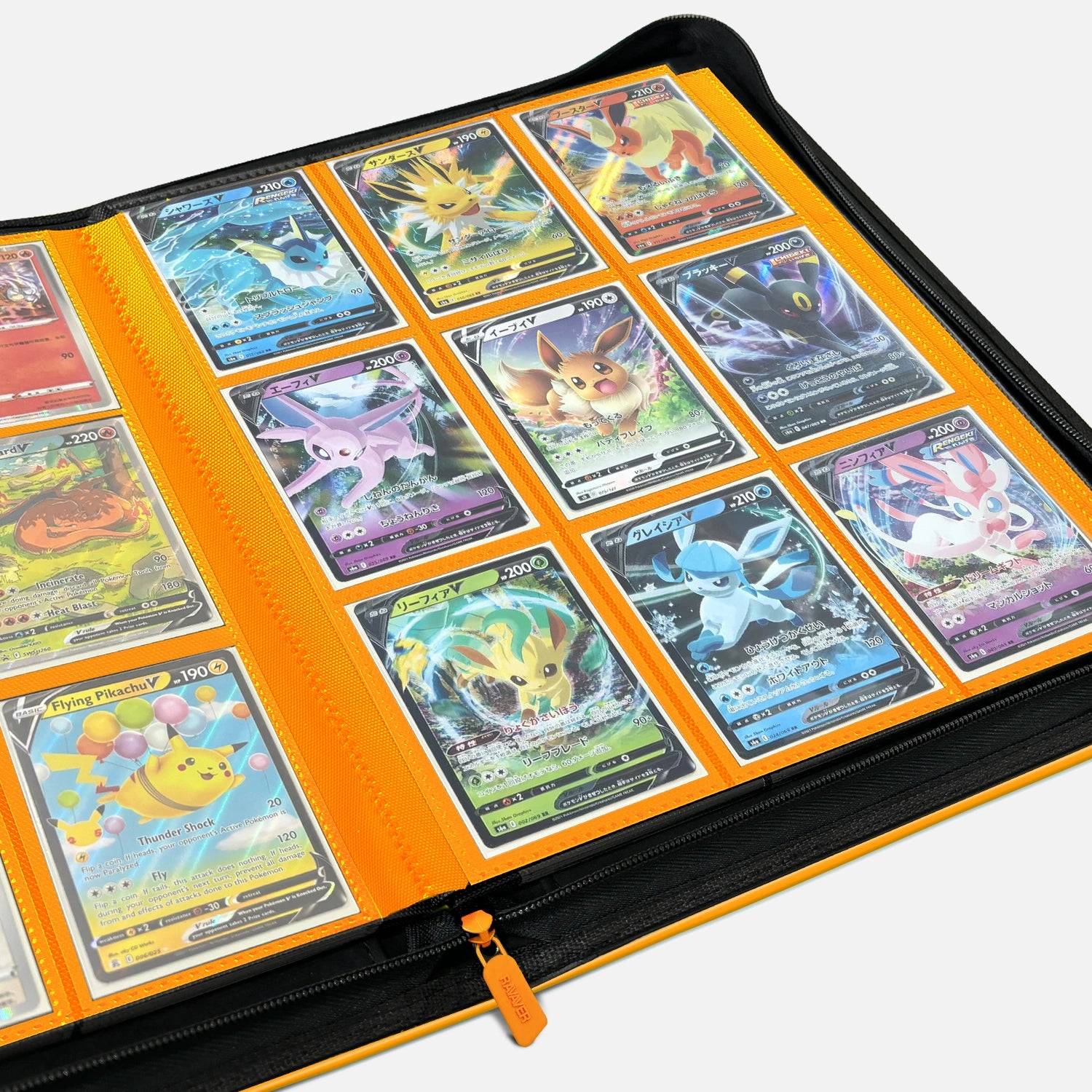
This sounds tangential but stay with it. The binder you build a master set into determines what condition tolerance you can accept on the cards you source. If your binder uses side-loading toploader-compatible pages with archival materials, you can buy Near Mint cards confidently because the binder will preserve that condition for years. If you're building into a basic ring binder with PVC sleeves, you need to source Mint or Gem Mint cards because the binder itself will degrade the condition over time.
This matters because sourcing condition-tolerant Near Mint singles is 15-30% cheaper than sourcing Mint or Gem Mint copies of the same cards. A collector who upgrades to a toploader-friendly archival binder up front saves real money on every card they source from that point forward.
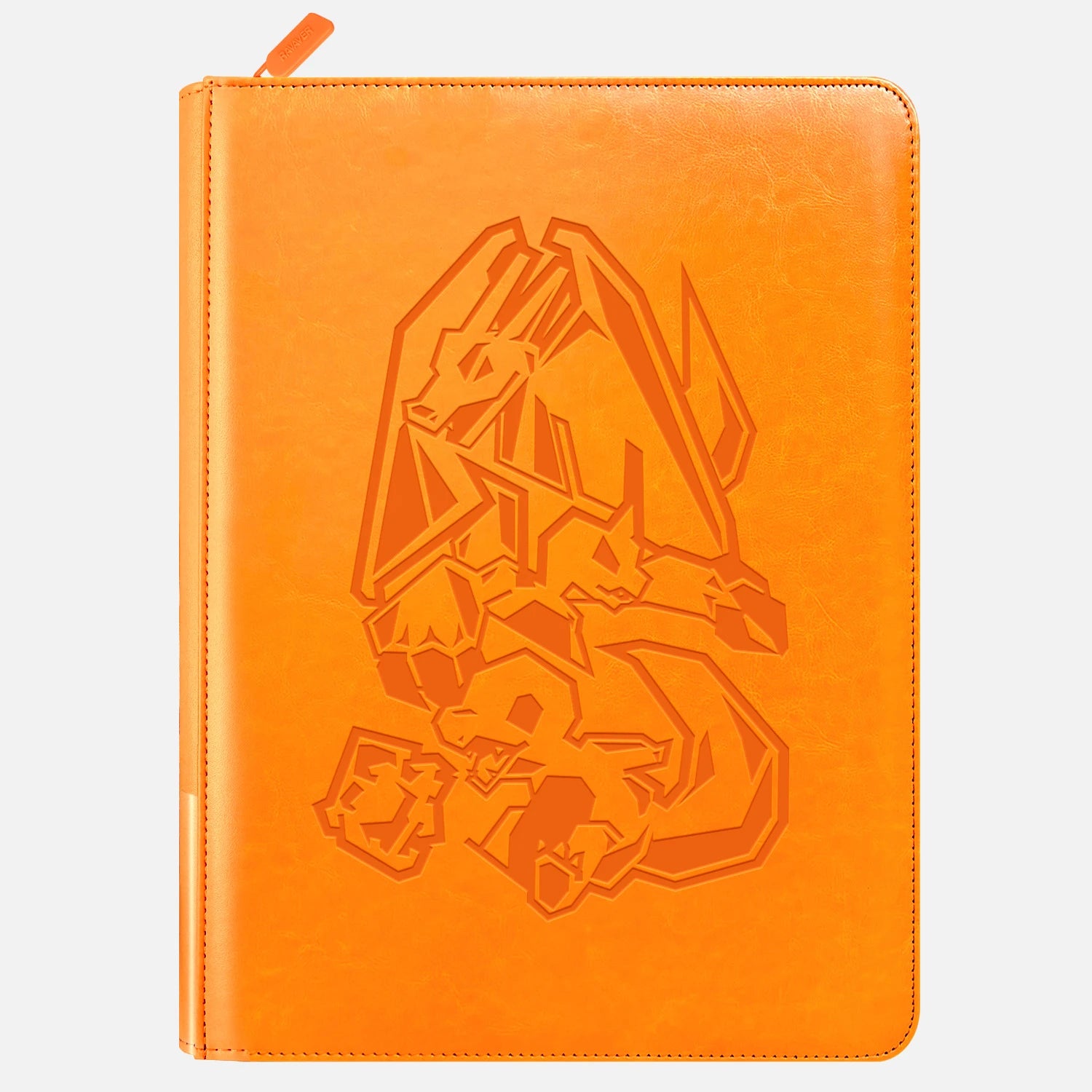
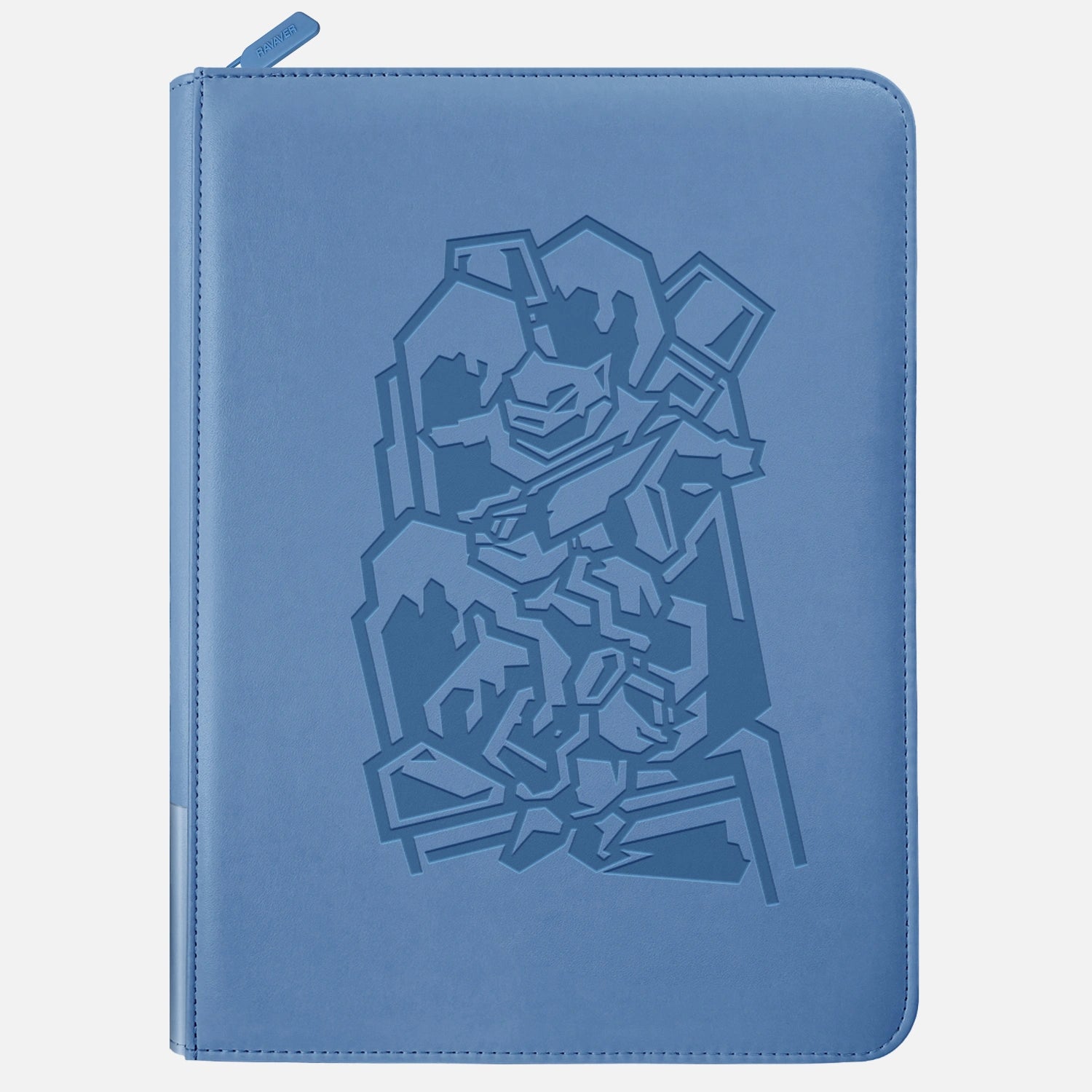
The collectors I've worked with who finished their first master set under budget all made the same call: spend the $50-$80 on a serious binder before spending the $1,500 on cards. The binder pays for itself within the first 50 cards through condition-tolerance savings alone. Browse Ravaver's toploader-compatible binders if you want a binder that actually preserves what you're sourcing.
The "next time you walk into a card show" sourcing question
Most master-set builders I talk to are building toward a moment they haven't articulated yet. They're not just trying to own every card from a set. They're building toward the first time they bring the completed binder to a card show, a trade night, or just show it to the friend who introduced them to the hobby. That moment matters more than the per-card price they paid getting there.
This reframes sourcing decisions in a useful way. The question isn't "what's the cheapest source for this Greninja ex?" The question is "when I bring this binder to my first card show, will this Greninja ex make the page look complete or look like a compromise?" Sometimes the answer is yes, spend the extra $12 on the Near Mint copy from the trusted seller, because the page completion matters. Sometimes the answer is no, the Lightly Played copy from the discount seller is fine because nobody flips to that page anyway.
You're going to walk into a card show one day with the binder you're building right now. Source like that day already exists.
Frequently Asked Questions
What's the cheapest way to buy Pokemon singles in bulk in 2026?
For master-set bulk (commons, uncommons, low-value holos), TCGplayer's cart optimizer with consolidation across 3-5 high-volume sellers produces the lowest landed cost. Expect to pay TCGplayer Market Price plus 5-8% in combined seller premium and shipping. Avoid buying single cards one at a time, because shipping costs destroy the math.
Is eBay or TCGplayer better for buying Pokemon singles?
TCGplayer is better for 80%+ of master-set buying (commons through ultra rares), because of cart consolidation and lower seller fees. eBay is better for graded slabs above $500, vintage WOTC singles, and hard-to-find rare promos where TCGplayer inventory is thin. Run both for high-value cards before buying.
How do I avoid counterfeit Pokemon cards when buying singles online?
Buy only from TCGplayer (very low counterfeit risk), eBay sellers with 1,000+ feedback and 99%+ rating, or PSA-graded slabs. Avoid Facebook Marketplace, Wish, AliExpress, and any seller asking for PayPal Friends and Family. Apply the 7-test authentication method (light test, layered cardstock check, color comparison, font verification, holographic pattern check, weight check, and edge inspection) on every high-value card you receive.
What does TCGplayer "Direct" mean and is it worth using?
TCGplayer Direct means the seller has shipped inventory to TCGplayer's warehouse, where staff verify card condition before forwarding to buyers. Direct orders ship faster (often same-week), arrive in one consolidated package even from multiple sellers, and come with TCGplayer's condition guarantee. Direct typically adds 3-12% to the per-card price, which is worth it for master-set bulk orders.
How long should it take to source a complete Pokemon master set?
For a single Scarlet & Violet era set with patient sourcing, expect 2-4 months from start to finish. The first 70% of cards (commons, uncommons, low holos) can be sourced in 2-3 batched TCGplayer orders within 4 weeks. The middle 25% (mid-value rares and ultras) takes 4-8 weeks of weekly want-list adjustments. The last 5% (SIRs, alt arts, chase cards) often takes 4-12 weeks of patient watching on eBay for the right price.
Should I buy graded or raw Pokemon singles for a master set?
For master sets, raw Near Mint is the standard. Graded slabs cost 30-200% more than raw equivalents and don't fit in standard binder pages. Buy graded only for the 3-5 chase cards in the set where authentication risk is high (anything over $400 raw, or any vintage card over $150). The rest of the master set should be raw Near Mint in a quality binder.
Can I trust Facebook collector groups for buying Pokemon singles?
No, not for buying. Facebook collector groups are useful for trades with people you can verify locally, but the buyer protection structure (PayPal F&F, no platform escrow) creates concentrated counterfeit and scam risk. The 10-15% price discount versus eBay almost never compensates for the dispute risk. Use Facebook groups for trades or local pickups, not for online purchases.
Where this leaves you for tomorrow's pulls
Sourcing is the single biggest variable in master-set total cost. The collectors who finish under budget are the ones who built a tier strategy before opening their first TCGplayer cart, not the ones who chased "good deals" reactively. Pick your channels, set your tolerance levels, and batch your orders. The cards will arrive faster, in better condition, and with $200-$500 left over for the binder that's actually worth pulling out at the next card show.
Start with the master set starter playbook if you haven't picked your first target set yet. If you've already started, build your TCGplayer cart for the first 70% of the set this weekend and lock in the savings.
Sources:
- TCGplayer, "TCGplayer Fees" official documentation, retrieved 2026-05-27, https://help.tcgplayer.com/hc/en-us/articles/201357836-TCGplayer-Fees
- TCGplayer, "Marketplace Fee Cap Increase FAQ", retrieved 2026-05-27, https://help.tcgplayer.com/hc/en-us/articles/37531606328727
- eBay, "Selling fees", retrieved 2026-05-27, https://www.ebay.com/help/selling/fees-credits-invoices/selling-fees?id=4822
- eBay, "Trading Card Singles $1,000+ Promotion", retrieved 2026-05-27, https://pages.ebay.com/promo/2025/tc-singles/
- Pokemon Support, "Did I purchase fake or counterfeit cards?", retrieved 2026-05-27, https://support.pokemon.com/hc/en-us/articles/360002068953
- TCGplayer, "TCGplayer Market Price", retrieved 2026-05-27, https://help.tcgplayer.com/hc/en-us/articles/213588017