The most expensive lesson in Pokemon collecting isn't getting scammed online. It's losing twenty bucks per card, every show, for years, because nobody ever taught you how to actually negotiate. Veteran traders don't bargain. They price. The difference is structural, and it's the reason the same person can walk into a card show with $400 of trade inventory and walk out with $600 of better cards while a beginner with the same starting bag walks out with worse cards and less money.
This guide gives you the actual decision tree veteran show-goers use. Not vague "be polite" advice. The specific opening line, the comp data structure, the counter-offer math, and the exit signals that separate disciplined trades from emotional ones.
Key Takeaways
- Anchor every negotiation to comp data: TCGplayer Market Price as floor, eBay sold prices as ceiling, midpoint as target.
- Open offers should sit 8-12% below your target outcome. Lowballing past 15% gets you blacklisted by repeat traders within 2-3 shows.
- Use the "consolidation move" (trading up via 2-for-1 swaps) to convert bulk into chase cards faster than waiting for perfect 1-for-1 matches.
- The walk-away signal matters as much as the offer. Verbal closes ("let me think about it") preserve the relationship; ghosting kills it.

Step 1: Build Your Comp Data Sheet Before the Show
The single most under-prepared thing beginners bring to a trade table is pricing. Veteran traders walk in with a comp sheet on their phone covering their top 30-50 cards, both what they own and what they want. The sheet has three columns per card: TCGplayer Market Price (floor), recent eBay sold prices (ceiling), and target trade value (midpoint).
Build this the night before the show. Open TCGplayer's price guide and pull market prices for every card you're bringing. Then check eBay sold listings filtered to the last 30 days, condition matched. Average the top three sold prices. The midpoint between TCGplayer market and the eBay average is your trade target.
This single piece of prep does more for negotiation outcomes than any negotiation technique. You're now arguing from data; the other person is arguing from feelings. Data wins every time.
Step 2: Open the Conversation With Appreciation, Not Offers
The opening line sets the tone. Most beginners ruin trades with one of two openers: aggressive lowball ("I'll give you $50 for that") or passive uncertainty ("how much do you want for it?"). Both signal inexperience and invite tougher negotiation.
The veteran opener has three parts in this order. Compliment the card. Anchor the comp data. Propose structure.
Example: "That Charizard ex Special Illustration Rare is sharp. TCGplayer market is sitting around $310, recent eBay solds I've seen are $290-$320. I've got a Pikachu ex SIR I'd value at $260 plus some bulk overlay. Interested in talking?"
What that does: lowers the seller's defensiveness with the compliment, establishes that you're working from data not vibes, and proposes a specific structure that moves the conversation forward instead of leaving it open-ended. Most negotiations either close or fail in the first 30 seconds; the opener determines which.
Step 3: Use the 8-12 Percent Rule on Opening Offers
Open offers should sit 8-12% below your target outcome. Not 30%. Not 50%. Aggressive lowballing past 15% off comp is the fastest way to get marked as someone not worth dealing with. Trade tables have memory; regulars route around lowballers within two or three shows.
The math works like this. If a card's market price is $100 and you're targeting an $85 deal, open at $75-$78. The seller will counter at $90, you settle at $84-$86. Both parties feel they negotiated. Neither party feels disrespected. The trade closes and you can deal with this person again at the next show.
If you opened at $50, the seller would shut down. The transaction never happens, and worse, they'd warn other regulars about the lowballer. Trade tables are smaller social spaces than they look.
Step 4: Counter With Comp Data, Not Emotional Reasoning
Counter-offers should always reference comp data. "I'm seeing market closer to $X" is acceptable. "That's too high" is not. The first invites a productive back-and-forth; the second creates friction.
When the seller counters back, listen for whether they're working from data or feelings. If they say "well I paid $120 for it three years ago," that's emotional reasoning and you can hold your ground. If they say "I sold one of these last month for $115," that's comp data and you should adjust your floor accordingly.
The collector who stays disciplined on comp wins more trades than the collector who lets the seller's emotions push them off their target. Don't let the other person's enthusiasm move your number.
Step 5: Use the Consolidation Move to Trade Up
The most underused technique in Pokemon trading is the consolidation move. This is where you bundle 2-3 mid-tier cards into a single trade for one higher-tier card. Instead of waiting for a perfect 1-for-1 match, you actively convert bulk inventory into chase cards.
Example: you have three $40 cards and want a $120 chase. Open with "I've got these three $40-$45 cards, value-equivalent to your $120 chase based on market. Open to a 3-for-1?" Most sellers will accept a slight premium ($130-$135 in your three cards' value) because they prefer one trade to three.
This works because most collectors over-value their bulk and under-value liquid chase cards. The consolidation move arbitrages that gap. It's also the fastest way to climb the value ladder in your collection without spending cash.
Step 6: Settle the Trade Quickly Once Terms Are Agreed
The deal is closed when both parties verbally agree. From that point, finalize fast. The biggest cause of trade fall-throughs is one party "stepping away to double check comps" after the handshake. That signals second-guessing and creates an opening for the trade to die.
Once terms are set, present cards face-up, inspect each side once, exchange, and shake. Total elapsed time from "deal" to "done" should be under 5 minutes. Anything longer suggests one party is having second thoughts.
For graded slabs, verify the cert number on PSA's website before completing. For raw cards, do a final condition check under good light. After exchange, slide the received card into a fresh toploader from your stack; this signals respect for what you just got and locks in the value of the trade physically.
Step 7: Know When to Walk Away
Some trades aren't worth closing. Recognizing when to walk is as important as knowing when to push. The signals to walk: the seller refuses to acknowledge comp data, the seller pressures you to skip authentication checks, the seller adjusts terms after a verbal handshake, or the math just doesn't work after honest evaluation.
The walk-away phrase that preserves the relationship: "let me think about it and circle back later in the show." Not "no thanks." Not "that's too much." The phrase keeps the door open, which matters because you might re-engage in 90 minutes when the seller is more flexible. Most card show negotiations end with the seller in better terms three hours into a show than they were at the start.
What kills relationships: agreeing to terms, then disappearing to "think about it." That's not walking away; that's ghosting, and it follows you. Verbal exit good, silent exit bad.
Step 8: Document Every Trade in Your Ledger
Every trade gets logged. What you gave, what you got, agreed value, the other person's name or social handle. Two reasons. First, repeat trades compound; the people you trade with regularly become your sourcing network for future chase cards. Second, you'll spot patterns. The trader who consistently lowballs you twice will try a third time; the ledger makes that pattern visible.
For tax purposes, this matters even more. If you're moving real volume, every trade has cost-basis implications and the only documentation you'll have is your own. Apps like Notion or even iPhone Notes work fine; consistency matters more than format.
Step 9: Follow Up Within 48 Hours on Repeat-Trade Candidates
The best trades you'll ever do are repeat trades with people you've met at one show. They have inventory you want, you have inventory they want, and you've already established trust. The way you turn a one-time trade into a repeat-trade pipeline: follow up within 48 hours.
A simple Instagram DM or text: "great trading with you Saturday, I'm hunting for [card X] if you ever come across one." That's it. The other person now has you in their mental "active trader" file. Three months later when they pull that card, you're the first person they message.
This is how serious collectors build sourcing networks that beat any retail option. Most chase cards get acquired through repeat-trade relationships, not through eBay snipes. The follow-up is what builds the relationship.
Frequently Asked Questions
What's the right opening offer when negotiating a Pokemon card trade?
Open 8-12% below your target outcome. If the card's market price is $100 and you're targeting an $85 close, open at $75-$78. Aggressive lowballing past 15% off comp gets you blacklisted by repeat traders within 2-3 shows.
How do you respond if a Pokemon card seller refuses to acknowledge comp data?
Walk away politely. The phrase "let me think about it and circle back" preserves the relationship without closing the deal. Sellers who refuse to engage with TCGplayer or eBay sold data are usually working from emotional pricing, which means the trade math won't work.
Should you trade Pokemon cards at face value or with cash overlay?
Cash overlay is standard. Roughly 60-70% of trades involve some cash component to balance value gaps. Bring at least $100-$200 in mixed denominations to handle small overlays without forcing the other party to break a hundred.
Is it acceptable to walk away from a Pokemon card trade after the handshake?
No. Once verbal agreement is reached, complete the trade. Backing out after agreement creates trust damage that follows you across regulars at the same show. The acceptable exit is verbal: "let me think about it" before the handshake, not after.
How do you find out a Pokemon card's actual fair value before a trade?
Cross-reference three sources. TCGplayer Market Price for the floor (transaction-weighted rolling average), eBay sold prices in the last 30 days for the ceiling, and the midpoint as your target. Single-source pricing is the most common cause of bad trades.
Your Pre-Show Checklist for Better Trades
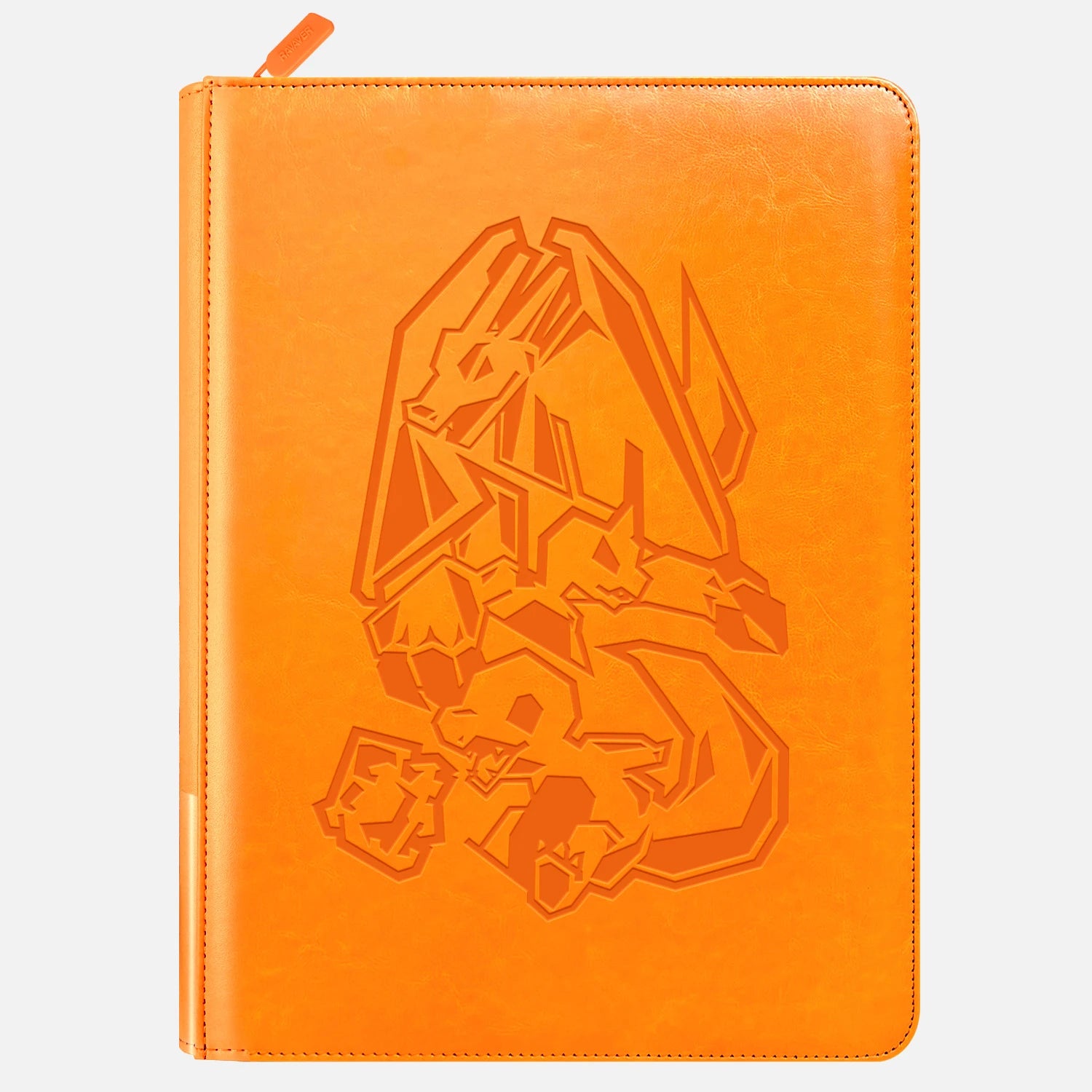
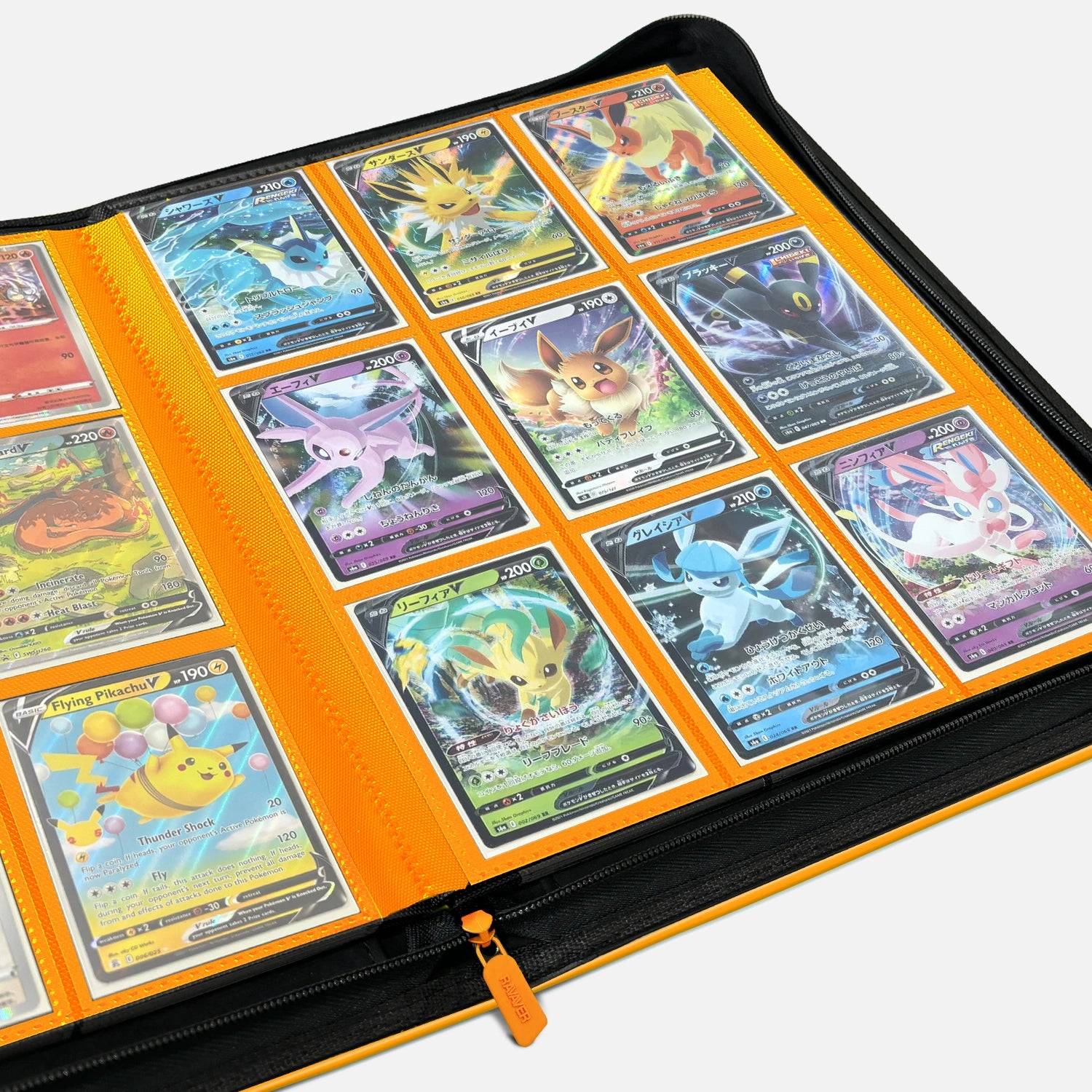
Before your next show, do three things. Build your comp sheet for your top 30 cards. Practice your opening line until it feels natural. And review the trade etiquette unwritten rules so you don't accidentally torch a trade with a small social mistake. The collectors who win at trade tables aren't smarter negotiators; they're more disciplined ones. For the broader strategy that surrounds the negotiation itself, see our trade table playbook. And for the binder that signals you're ready for serious trades, browse the Ravaver collection built for that purpose.
Sources:
- TCGplayer, "TCGplayer Market Price Documentation," retrieved 2026-05-11, https://help.tcgplayer.com/hc/en-us/articles/213588017-TCGplayer-Market-Price
- TCGplayer, "Pokemon Price Guides," retrieved 2026-05-11, https://www.tcgplayer.com/categories/trading-and-collectible-card-games/pokemon/price-guides
- Ravaver collector observations from regional Pokemon TCG card shows and trade nights, 2023-2026