Every Pokemon TCG collector has a moment they'd rather forget at their first card show. The trade that fell through because they reached for someone else's binder uninvited. The vendor who froze them out for the rest of the day after they touched a graded slab without asking. The trader who never replied to their DM after they tried to renegotiate terms post-handshake.
None of these are written down anywhere. They're the unwritten rules collectors learn the hard way, usually exactly once. Below are the twelve rules that govern Pokemon trade etiquette in 2026. Knowing them won't make you a better collector; not knowing them will mark you as a tourist within the first hour of any serious show.
Key Takeaways
- Pokemon trade etiquette is enforced socially, not officially. Violating it costs you future trades, not the current one.
- The most common rookie mistake: touching another collector's binder or cards without explicit permission.
- Trade-table reputation compounds. The collector with a clean rep gets first look at chase cards three years later.
- The phrase "let me think about it" preserves relationships; "I'll get back to you" does the same. Silence after agreement does not.

Why Does Trade Etiquette Matter at Pokemon Card Shows?
Trade tables are smaller social spaces than they look. Regular show-goers see the same 30-50 faces every cycle, and reputations compound. A collector who handles trades with discipline and respect builds a network that pays returns for years; the chase card they couldn't find on eBay shows up at a trade table from someone who remembered them.
A collector who violates basic etiquette gets routed around. They stop receiving introductions to other traders. They stop being invited to private trade groups. The cards they want never seem to surface. None of this is announced; it just happens, quietly.
The math on this is simple. Long-term trading value is roughly 10x the value of any individual trade, because relationships unlock private inventory at fair prices over years. Etiquette is the gatekeeper to that 10x.
The 12 Unwritten Rules
1. Never Touch Another Person's Binder Without Asking
The single most violated rule by beginners. Eye contact, then the phrase "mind if I take a look?" before any reach across the table. The other person owns the binder, owns the cards, and owns the tempo of the interaction. Reaching first signals you don't understand basic respect for someone else's collection.
Same rule applies to cards laid out face-up on the table. Even if they're displayed for sale, ask before picking one up. The veteran reflex is to gesture toward the card with an open hand and wait for the nod.
2. Always Present Cards Face-Up in a Sleeve
Sliding a raw, unsleeved card across the table tells the other person you don't care about damage. The implicit signal: "I don't take my own cards seriously, so I won't take yours seriously either." Even bulk cards should move in a penny sleeve at minimum.
For graded slabs, present them with the front facing the buyer. If the slab needs to flip, do it slowly and deliberately. Never spin or toss a slab; the seal can be cracked from a 6-inch drop.
3. Never Tell Someone Their Card Is Overpriced
The acceptable counter to a high asking price is data: "I'm seeing market closer to $X." The unacceptable counter is opinion: "that's way too high" or "no way it's worth that much." The first invites a productive conversation; the second creates friction that ends the trade.
Even if the seller is genuinely overpriced, frame your counter as information, not judgment. The collectors who win arguments at trade tables are the ones who never make the seller defensive.
4. Trade-Locked Cards Are Sacred
If a collector tells you a card or section of their binder is "not for trade," accept it and move on. Don't ask why. Don't ask how much. Definitely don't keep coming back to it later. Pressing on trade-locks signals that you don't respect the other person's autonomy over their own collection, and it's the fastest way to end a relationship.
The veteran collector's response to "this section isn't for trade" is "got it, what's available?" Then they move on. The amateur response is "but how much for that one?" The amateur loses every time.
5. Don't Film or Photograph Other Collections Without Permission
Especially at smaller shows. Many collectors with significant holdings have privacy concerns about visible inventory; some have been targeted after collections appeared on social media. The rule is consistent: ask before filming, ask before taking close-ups, and accept "no" without negotiation.
This includes background shots. If you're filming yourself at a table and someone else's binder is visible behind you, ask. The 30 seconds of social friction is worth not damaging trust.
6. Honor Your Trade-Locks Once Verbalized
The flip side of rule 4. If you said something was off-limits during one negotiation, leave it off-limits even when someone offers more money later. Reversing creates trust damage that follows you across regulars at the same show.
The exception: explicitly announcing a change. "I was going to hold this but I'm now open to offers" is fine if said publicly. Quietly trading away a card you said was off-limits is not.
7. Settle Quickly Once Terms Are Agreed
The deal closes when both parties verbally agree. From that point, finalize within 5 minutes. Disappearing to "double check comps" or "look at one more thing" after the handshake is the most common cause of failed trades and the most damaging to your reputation.
If you genuinely need a moment to verify something, say so before the verbal agreement, not after. "Let me confirm market real quick" is acceptable mid-negotiation. It's not acceptable post-handshake.

8. Acknowledge Other Collectors at the Same Table
Even a nod. Trade tables are small social spaces, and ignoring people who are sitting six feet from you creates friction that affects every other interaction. The collectors who acknowledge people get acknowledged back, and reputation builds through hundreds of these small touches.
This isn't optional. The trader who walks up to a table without acknowledging the others already there is the one who gets ignored when they want to start a trade later.
9. Don't Argue Grade on a Slab
The grade printed on the slab is the grade. Arguing whether a PSA 9 should have been a 10, or whether a BGS 9.5 is "really" a 10, marks you as someone who doesn't understand how grading works. The grade is a third-party assessment with finality. Argue on price, not on grade.
The exception: if you genuinely think a slab has been tampered with or the cert doesn't match the card. In that case, don't argue; verify the cert number on PSA's website and walk away if anything looks off.
10. Keep Your Table Space Clean
Don't let your stuff spread into someone else's space. Don't leave loose cards on the table when you walk away. Don't spread your binders across three feet when you could fit in two. The trade table is shared infrastructure; treating it as your personal space creates resentment fast.
If you need more room, ask the show organizer for a larger table or a second seat. Don't claim space silently and force others to compress.
11. Tip the Show Organizer
Almost nobody does this. Which is exactly why doing it works. A $20 tip to the show organizer at the end of a profitable day puts you on a very short list of collectors who get advance notice of premium events, early access to limited-table shows, and introductions to high-end sellers. The ROI on that $20 over a year is among the best in the hobby.
The tip is for the work of organizing, not for special treatment. But the special treatment follows naturally because the organizer remembers who shows respect for what they do.
12. Don't Trade Cards You Suspect Are Altered or Counterfeit
If you know or suspect a card has been altered, recolored, or is a counterfeit, don't pass it along. The economic damage to a collector who unknowingly buys a counterfeit is real and the social damage to your reputation when it comes back to you is permanent.
If you find out post-trade that something you traded was problematic, message the buyer and offer to make it right. Don't ghost. Trade-table reputation is the asset that compounds; protecting it is worth more than any individual trade outcome.
What Happens When You Violate These Rules?
Nothing official. No one will tell you. The consequences are quiet and cumulative: harder time finding trade partners, fewer DMs returned, slower access to the chase cards you want, no invitations to private trading groups. After enough violations, the cards you want simply stop coming through your network.
The reverse is also true. Collectors with clean reputations get sourced for chase cards by other collectors who saw the card first. They get text messages: "I just pulled this; thought you'd want first look." That's the actual long-term return on etiquette.
Frequently Asked Questions
Is it ever okay to touch someone else's binder at a Pokemon trade table?
Only after explicit permission. The acceptable opener is eye contact plus "mind if I take a look?" Reaching first, even with good intentions, signals disrespect for the other collector's space and inventory.
What's the polite way to decline a Pokemon card trade?
Use comp data, not opinion. "I'm seeing market closer to $X, doesn't quite work for me on that side" closes the door without insulting the offer. Saying "that's too much" or "no thanks" ends the trade and damages the relationship.
Can you back out of a Pokemon card trade after agreeing to terms?
No. Once verbal agreement is reached, complete the trade. Backing out post-handshake is the most damaging single action you can take to your trade-table reputation. If you need to verify something, do it before the handshake.
Should you film at Pokemon card shows for social media?
Only what you own. Always ask before filming other collectors, their binders, or their slabs. Background shots that capture other people's inventory require permission. Show organizers may also have filming policies that override individual consent.
What's the proper etiquette for handling a graded Pokemon card slab?
Two hands when receiving. Slow movements. Never spin, toss, or set down sharply. Always present face-up. If you need to flip the slab, do it deliberately. The seal can crack from a 6-inch drop, and a damaged slab loses 10-20% of its value instantly.
Is it rude to negotiate hard on a Pokemon card trade?
Hard negotiation is fine; aggressive negotiation isn't. The line: opening at 8-12% off comp is acceptable, opening at 30%+ off is lowballing and creates social friction. Counter-offers should always reference data, not opinion.
The Reputation Compound Effect
Pokemon trade-table reputation is one of the few assets in the hobby that compounds reliably. Every clean trade builds it; every social violation chips it down. The collectors who win at trade tables over multi-year horizons are the ones who treated etiquette as the actual product, with the cards as the medium of exchange.
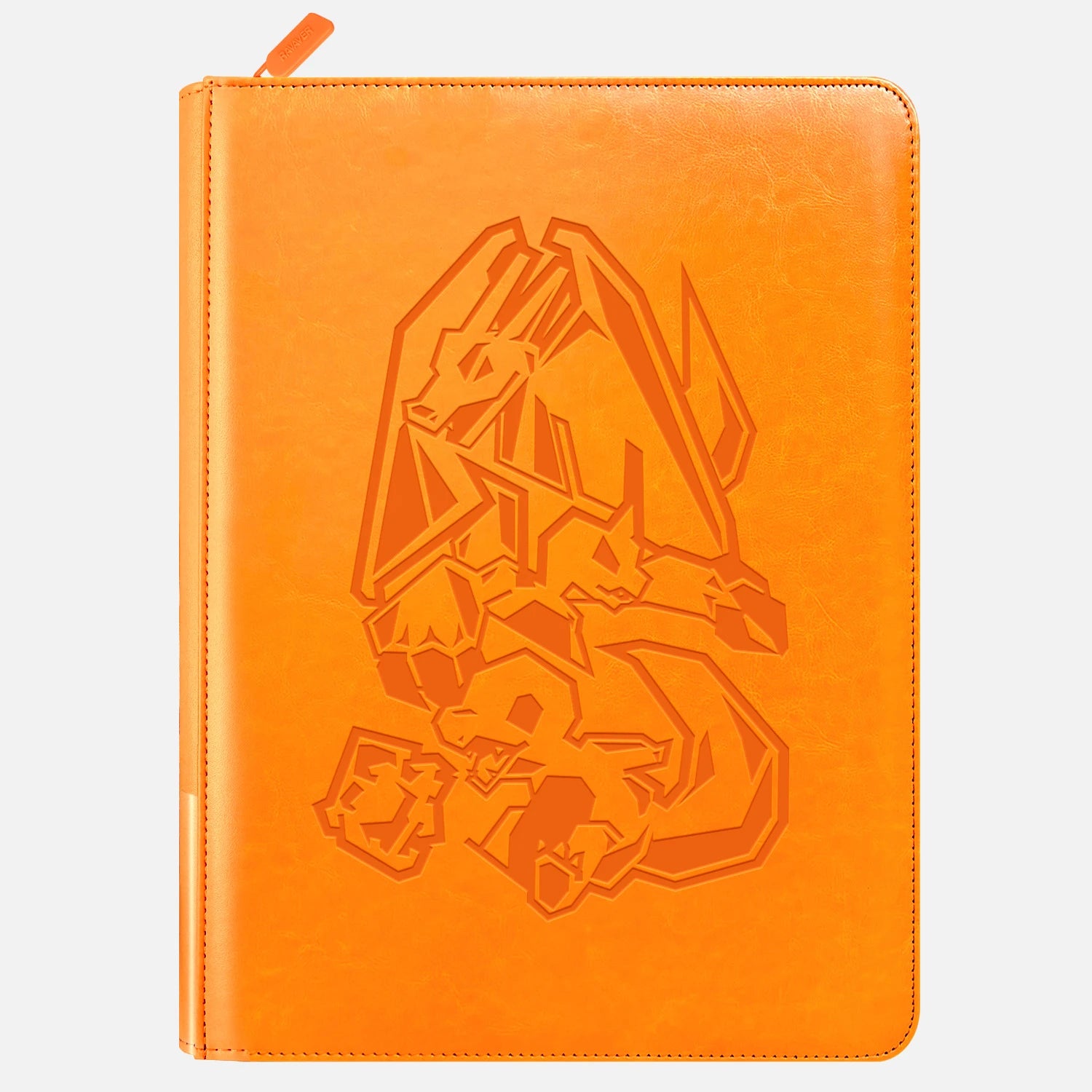
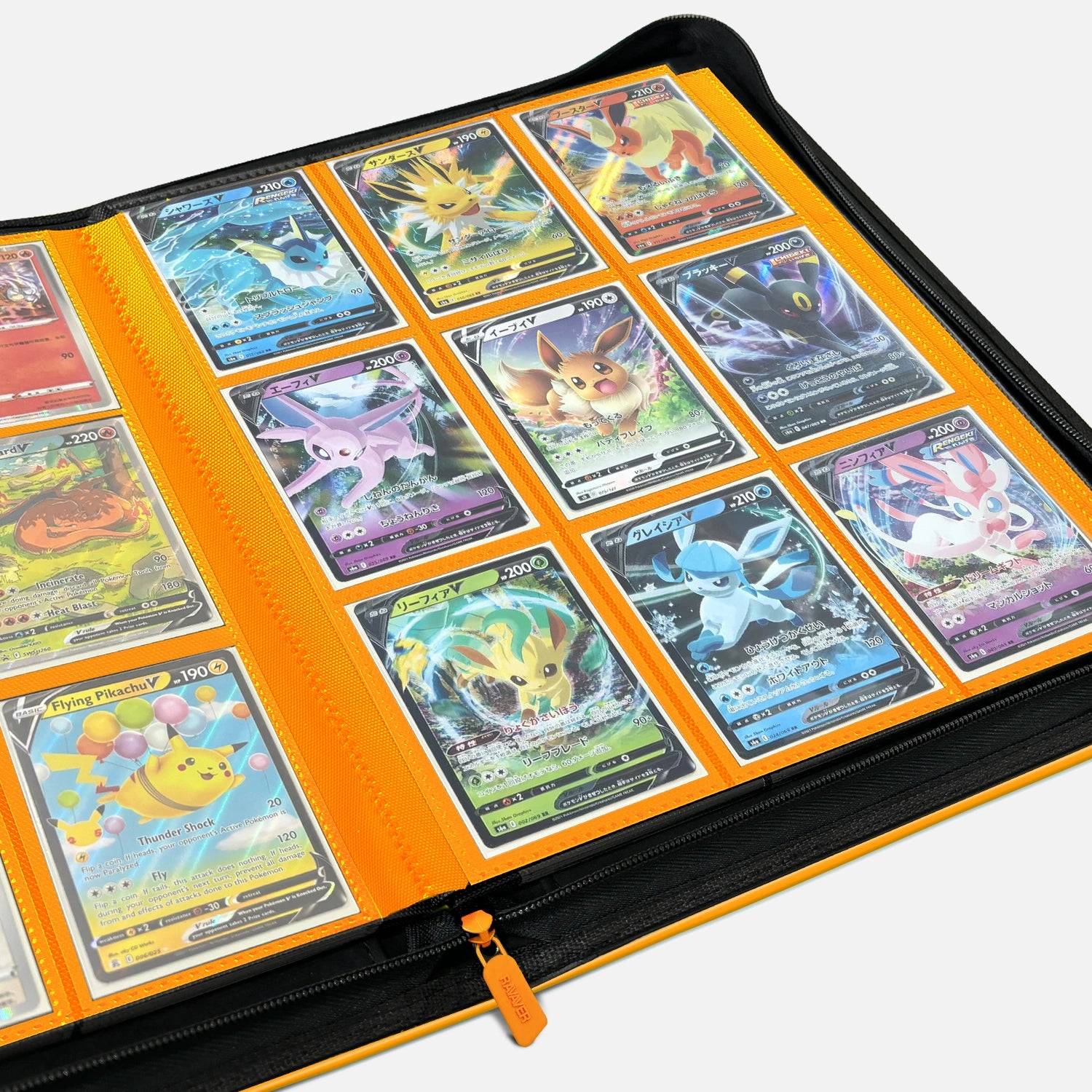
Before your next show, run yourself through the 12 rules. Most collectors will recognize at least one or two they've casually violated. Fix those, and the next time you walk up to a trade table you're already operating at a different level than the room around you. For the negotiation mechanics that pair with this etiquette foundation, see our step-by-step trade negotiation playbook. And the broader trade-table strategy lives in the Pokemon Trade Table Playbook. If you want the binder that signals you take all of this seriously, browse the Ravaver collection built for that purpose.
Sources:
- PSA, "Population Report and Cert Verification," retrieved 2026-05-11, https://www.psacard.com/pop
- TCGplayer, "TCGplayer Market Price Documentation," retrieved 2026-05-11, https://help.tcgplayer.com/hc/en-us/articles/213588017-TCGplayer-Market-Price
- Ravaver collector observations from regional Pokemon TCG card shows and trade nights, 2023-2026