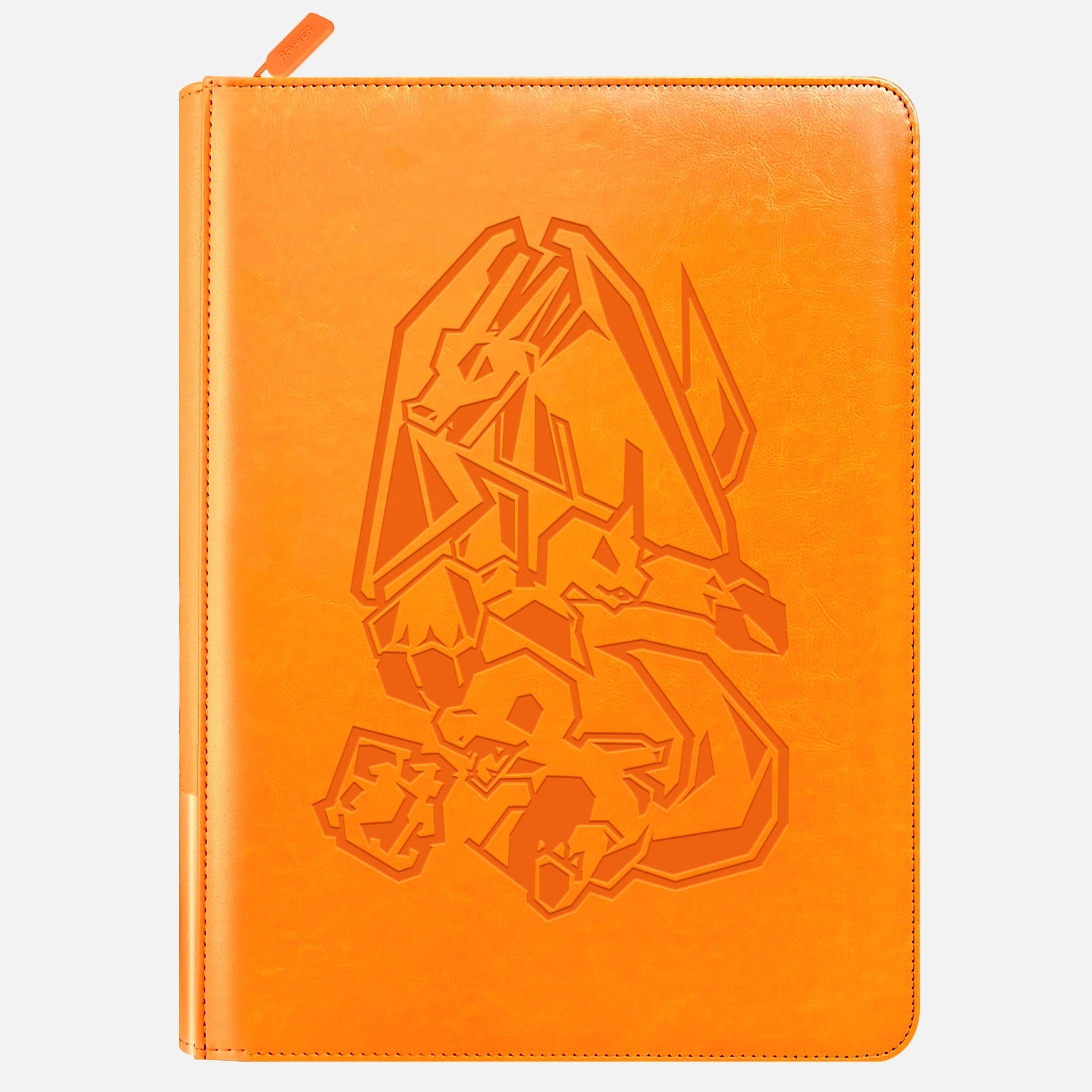
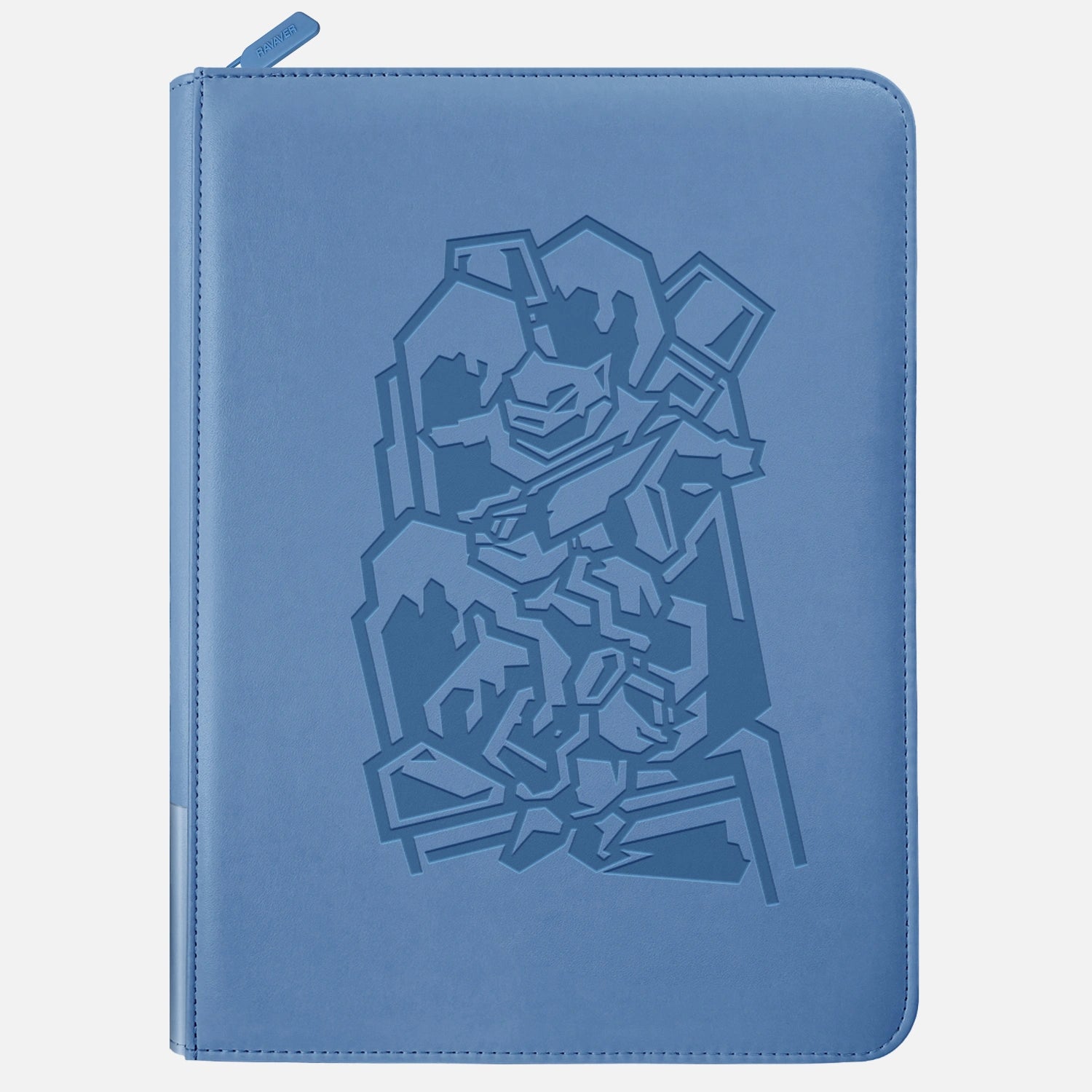
The first time you set up a Pokemon binder, the temptation is to just start sliding cards into pockets in whatever order they're sitting on your desk. That's how most collectors end up rearranging their pages two or three times in the first week, which is annoying and slowly wears on the pages.
The right setup takes about 30 minutes if you plan in order: spine page first, front-page chase card second, organize by tier or set order third, then load. This guide walks through the seven steps in the order experienced collectors actually do them, not the order the binder's instruction card suggests.
Key Takeaways
- Plan the binder structure before inserting any cards. The 30-minute setup assumes you've already decided the binder's purpose (set completion, trade-night display, or chase showcase).
- Start with the spine page, not the front cover. The cards on the spine and the cards on the first visible page set the tone for everything that follows.
- Sort cards into three tiers before loading: chase cards, mid-value cards, and bulk fill. Insert in tier order to avoid rearranging.
- Load front pages only on the first pass. Filling both sides of every page early creates page stress before the cards have settled.
Before You Start: What You Need On the Desk
The setup goes faster when everything is in arm's reach before you start. Pull out the binder, the cards you're loading (already sleeved), a flat clean surface big enough to lay 10-20 cards out at once, a soft lint-free cloth, and a small notepad or your phone for a running list of any cards you'll want to add later.
If the binder is brand new, take it out of the packaging, open it flat on the desk, and let the pages relax for 2-3 minutes before loading. New binders ship folded tight, and the pages need a moment to lay flat. Inserting cards into a binder that's still under packaging tension creates a small bow in every page that takes weeks to settle.
The 7 Steps, In Order
- Decide the binder's purpose. Before any card touches a pocket, name the binder's job. Is this a set-completion binder for Scarlet & Violet 151? A trade-night binder for your top 80 cards? A chase showcase for graded raws and SIRs? The purpose decides every other decision in this list. A binder that tries to be all three is usually a binder that gets reorganized twice in the first month.
- Sort your cards into three tiers. Lay the cards out on the desk in three rough stacks. Tier 1: chase cards, alt arts, SIRs, anything you'd be upset to lose. Tier 2: mid-value cards, named Pokemon you care about, holos and reverse holos. Tier 3: bulk fill, set completers that aren't chases. Don't overthink the tiering. You're not pricing the cards, you're just deciding which ones get the visible pages.
- Plan the spine page and the front page. Open the binder flat. The first page everyone sees when the binder is opened is the inside front cover and page one. Decide which 9-18 cards live there. For a flex binder, this is where your strongest chase card goes, centered or in the upper-left pocket. For a set-completion binder, this is where the set's number-one card goes. Whichever way, this is the binder's identity page. Get it right before anything else loads.
- Load Tier 1 cards first, front pages only. Start at page one and load just the front side of each page with Tier 1 cards. Don't fill both sides yet. Don't skip ahead to the back of the binder. Work front to back, one page at a time, front side only. This builds the binder's spine support evenly as it fills.
- Load Tier 2 cards next, filling backs of front pages. Now go back through and fill the back side of each page you've already started. The reason for this order is browsability: when you open the binder, you'll see two pages at once (the back of the previous page and the front of the next page). Putting Tier 1 on the front and Tier 2 on the back of the same physical page creates a balanced spread when the binder is open.
- Add Tier 3 cards in the remaining pages. Bulk and set-completer cards fill the back half of the binder. If you're doing a set-completion binder, this is where the non-holo commons go, organized by set number or by Pokedex order. The binder structure naturally creates a value gradient from front (chases) to back (commons), which makes browsing intuitive.
- Walk through the binder once and adjust. Close the binder, then open it again. Flip through every page slowly. Note anything that feels out of place. Most setups need 3-5 swaps on the second look: a card whose color clashes with its neighbors, a card that should have gone on the front page instead of page three, a holographic that catches better light in a different pocket. Make the swaps now, before the pages have settled into their final positions.
Why the Spine Page Matters More Than the Cover
Most collectors think the front cover of the binder is the binder's identity. It isn't. The cover is the binder manufacturer's identity. The spine page (the inside-front-cover spread, page one) is the collector's identity. When you open a binder at a trade table or a card show, the spine page is what every other collector sees first. The cover is forgotten in two seconds; the spine page sets the impression.
The rule on r/PokemonTCG and in collector circles is that the spine page should contain the binder's single best card, plus the cards that frame it well. For a Scarlet & Violet 151 binder, that's the alt art Mew or the SIR Mewtwo. For a vintage binder, that's the chase first-edition card. For a flex binder, it's whatever card you most want strangers to ask about.
Sleeving Before You Load (Quick Refresher)
Every card going into the binder needs at least a penny sleeve. For Tier 1 cards (chase cards, anything over $20), double-sleeve them: penny sleeve first, then a perfect-fit sleeve over the top. The perfect-fit traps the card inside the penny sleeve and keeps the corners from rubbing during page turns. For cards over $50 or anything you're considering grading, use a toploader sleeve and load them into a toploader-compatible binder, not a standard one. The sleeving format has to match the binder format; mismatch is the most common cause of bent pages and damaged cards.
Loading Order Inside a Single Page
Within a 9-pocket page, there's a working convention most collectors converge on after a few binders. The top-left pocket is the page's anchor card (the one you most want noticed). The center pocket pulls the eye second. The bottom-right pocket is the page's tail. Cards that share a color, type, or theme cluster together to create a visual line, not a random scatter. This isn't a rule; it's a habit that comes out of building a few binders and noticing what looks right.

What to Do With Cards That Don't Fit the Binder
Almost every setup turns up a handful of cards that don't quite fit the binder's purpose. A vintage card in a modern binder, a graded slab when the binder is for raws, an oversize jumbo that doesn't fit the standard pocket. The temptation is to force them in anyway. Don't. Set them aside in a separate pile, and either start a second binder when the pile reaches 50-80 cards, or pick up a dedicated toploader binder for the high-value mismatches.
This is the moment most collectors realize they're going to end up with multiple binders. That's normal and expected; the binder's purpose works better when it's narrow. A binder that tries to hold the whole collection in one place is a binder that ends up half-organized.
The 30-Minute Time Budget
If the setup takes much longer than 30 minutes the first time, the cards usually aren't sorted clearly enough before loading starts. The breakdown that hits 30 minutes consistently looks like this: 5 minutes for tier sorting and planning the spine page, 15 minutes for loading Tier 1 and Tier 2 cards in order, 7 minutes for Tier 3 bulk fill, 3 minutes for the walk-through pass and swaps. The walk-through is the easiest step to skip and the most valuable; it usually catches at least three things that were wrong on the first pass.
Frequently Asked Questions
Should I fill both sides of every page or just one?
For Tier 1 chase cards and the front 10-20 pages of the binder, filling both sides is fine as long as the pages are designed for it (most modern binder pages have a center divider that prevents card-on-card contact). For older binder designs without center dividers, single-side loading is safer. Check the page construction before loading both sides.
How long should a new binder sit flat before loading?
2-3 minutes is enough for the pages to relax from packaging tension. If the binder has been stored vertically in a warehouse for months, 10-15 minutes flat lets the spine settle. The signal that the binder is ready: pages lay flat when the binder is open, no obvious bow at the spine.
What's the right order to load cards by set number?
For set-completion binders, load in Pokedex order or set-card-number order, starting from page one. The exception is the first page: if the set's number-one card isn't visually strong (some sets open with a basic Pokemon), promote a more striking card from later in the set to the front page and keep the rest in numerical order from page two onward.
Do I need gloves when handling cards for binder setup?
Most collectors don't, as long as their hands are clean and dry. Cotton gloves can actually drag on holographic surfaces and leave fiber traces. Clean dry hands, handled by the edges, are the standard for cards that aren't already in a toploader. For graded slabs or raw chase cards being prepped for grading, a microfiber cloth handle is better than gloves.
Can I reorganize the binder later without damaging the cards?
Yes, as long as the pockets are still in good shape and you're not constantly pulling cards in and out. Side-loading pockets handle frequent reorganization better than top-loading pockets because the cards don't catch on the page above when sliding out. Plan to reorganize once at the 30-day mark after first setup, then leave it alone for at least six months.
Your Next Step
If you've got a new binder waiting and a stack of cards to load, set aside a clean 30-minute window, follow the seven steps in order, and resist the urge to start loading before you've sorted into tiers. The walk-through pass at the end is the step that separates a binder you're proud to open from a binder you'll rearrange next week.
For collectors choosing a binder before they get to the setup step, our 2026 Pokemon binder buying guide covers the five decision points that decide whether the binder you're loading is the right one in the first place. Setup is downstream of buying; getting the binder right saves the setup work.
Sources:
- r/PokemonTCG, Binder Setup and Organization Threads, retrieved 2026-05-14, https://www.reddit.com/r/PokemonTCG
- TCGplayer Infinite, Card Sleeves and Toploaders Beginner's Guide, retrieved 2026-05-14, https://www.tcgplayer.com/content/article/Card-Sleeves-and-Toploaders-Beginner-s-Guide/
- PSA, Preserving TCG Cards: Storage Options, retrieved 2026-05-14, https://www.psacard.com/articles/articleview/14066/preserving-tcg-cards-storage-options