The most expensive damage to a Pokemon card collection rarely comes from a single dramatic event. It's slow, cumulative, and almost always preventable. After 15 years of buying, storing, and grading cards (and watching other collectors do the same), the same seven storage mistakes keep showing up. Two of them are obvious. Five of them are subtle, which is why they cost so much. And one common piece of storage advice you've probably heard turns out to be wrong.
Here are the seven mistakes ranked by how much they typically cost the collector who makes them.
Key Takeaways
- The most expensive storage mistake in 2026 is still putting cards in PVC binder pages. The plasticizers leach into the card surface over 5 to 10 years and the damage is permanent.
- Basement and garage storage will eventually warp paper-based collectibles in most US states because summer humidity routinely passes 60 percent.
- The myth-bust: keeping cards in airtight bags or vacuum-sealed pouches is widely recommended online and usually a bad idea. Cards need breathable storage, not sealed.
- Fixing these mistakes costs less than one chase card. Letting them continue costs the value of your whole collection over enough years.

1. Storing in PVC binder pages
What it costs: Permanent surface clouding and plasticizer migration on every card in the binder. Roughly 1 to 2 PSA grade drops on any card that comes out for grading.
The original 1999-era binder pages most older collectors grew up with were polyvinyl chloride (PVC), which contains plasticizers that off-gas and migrate into anything they touch for years. Pull a card out of a PVC binder you've had since middle school and you'll often see a soft fog on the surface or a tacky residue on the sleeve. That's not dirt. It's the binder page material having slowly degraded the card.
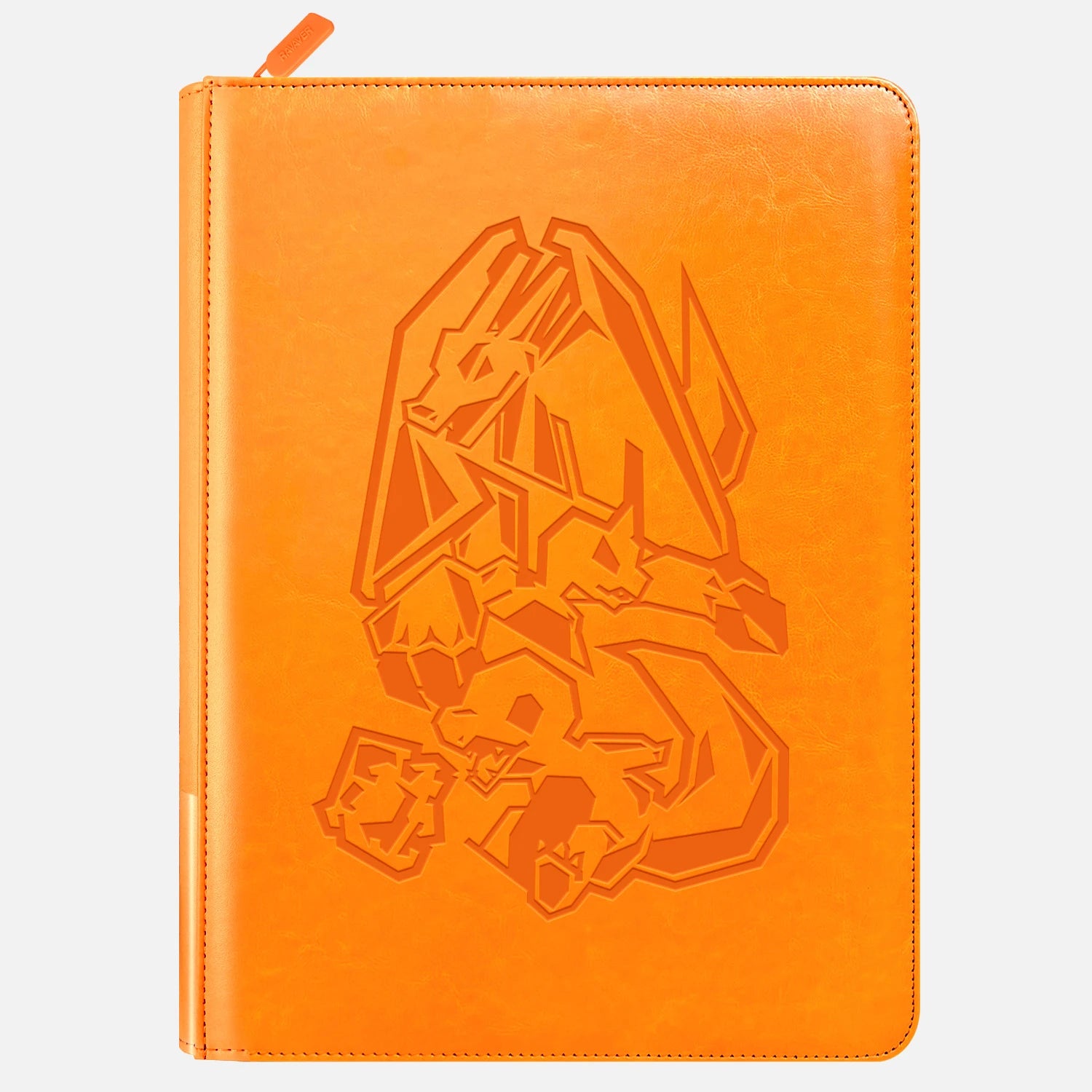
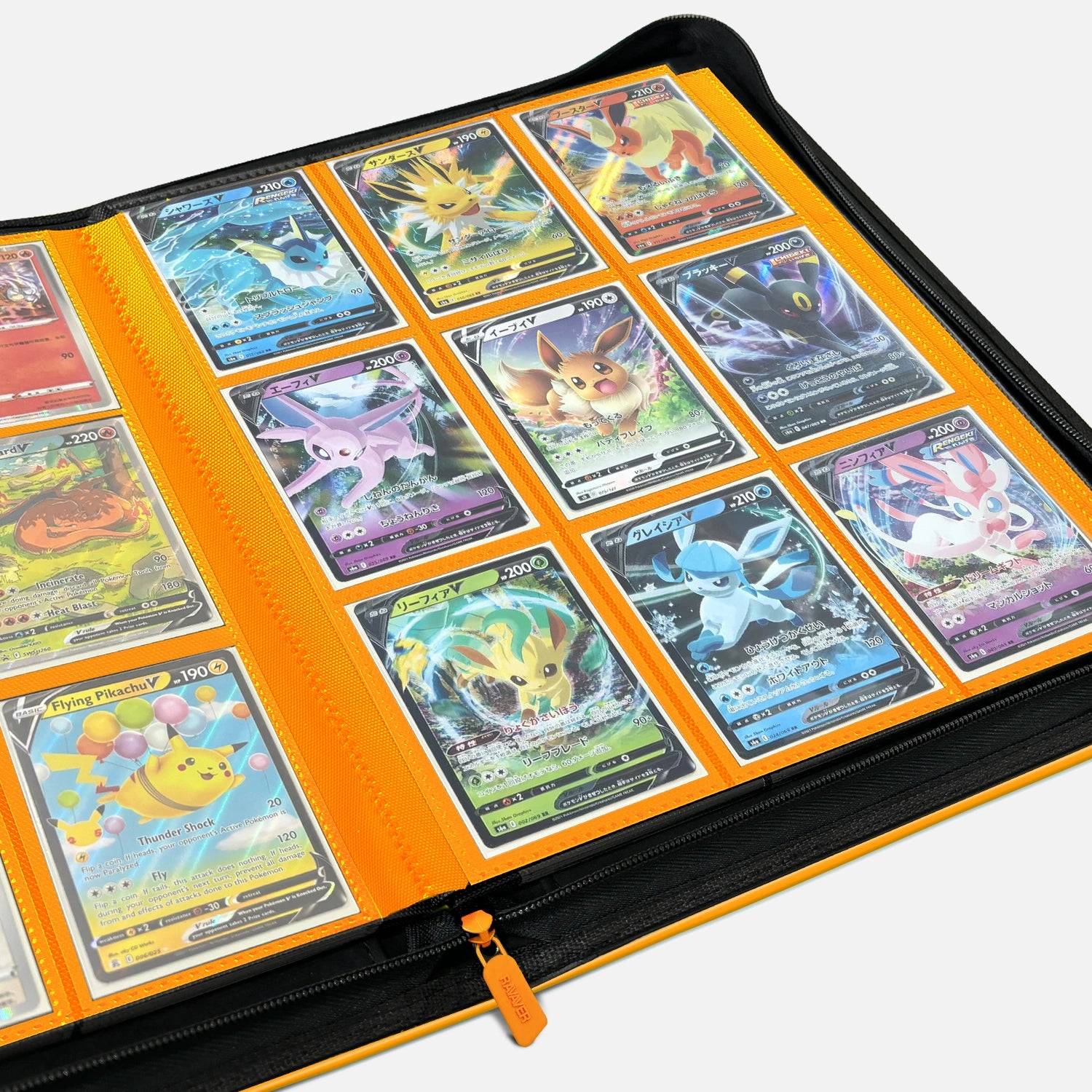
The fix is simple but slow. Archival standards require polypropylene or polyester, not PVC. Modern binders from Vault X, Ultra Pro Eclipse, Ultimate Guard, and Ravaver all advertise PVC-free pages because the industry got the message. If your binder doesn't say PVC-free on the product page, assume it isn't.
2. Storing in a basement, garage, or attic
What it costs: Warped cards, edge whitening, mold on bulk, and in extreme cases delamination of foil layers on holos. Grading flags this fast and rejects cards for surface damage.
Three reasons these spaces fail:
- Basements in most non-arid US states routinely hit 60 to 70 percent relative humidity in summer. Anything above 55 percent enables mold growth on paper.
- Attics hit 100 degrees Fahrenheit in summer and below freezing in winter. The temperature cycling delaminates foil-printed cards.
- Garages have a third hidden problem: warm cars meet cold concrete, and the resulting condensation drifts into any porous storage on the bottom shelf.
The simple fix is to move the collection to an interior closet on the first or second floor of the home, off the floor, away from exterior walls.
3. Skipping the sleeve on cards over $25
What it costs: Surface scratches from the toploader or binder pocket. PSA drops a half-grade for visible surface scratches.
The cheapest single mistake on this list. A penny sleeve costs about $0.01. Without it, every time the card slides inside a toploader or moves in a binder pocket, the surface is rubbing against rigid plastic. Over months, this produces the fine scratches that grading services flag.
Fix: penny sleeve every card you might trade, grade, or keep more than 6 months.
4. Storing graded slabs in direct sunlight
What it costs: Fading on the card surface, yellowing on the slab label, and a meaningful resale discount on the slab when buyers see the wear.
UV exposure over years fades the inks on Pokemon cards. The slab protects against humidity, dust, and physical damage, but it's not UV-blocking. A graded card on display in a sun-facing window can lose visible color saturation over 5 to 10 years.
Fix: keep slabs in display cases away from windows, or use UV-filtering display frames if you want to display them in a light-exposed room.

5. Stacking binders flat instead of upright
What it costs: Subtle pressure marks on cards in the bottom binder, especially around binder rings. Pulling a graded card out of a binder stack and finding indentation lines on the back is heartbreaking.
Most binders are designed to stand upright like books, distributing the weight of the cards across the spine and edges. Stacking them flat puts the entire weight of the upper binders directly on the cards in the lower binder. Over months, the result is faint pressure marks that knock half-grades off otherwise mint cards.
Fix: stand binders vertically on a shelf. If you don't have shelf space, get the shelf before you stack binders.
6. Vacuum sealing or airtight bagging (the myth-bust)
What it costs: Trapped humidity damage. Cards "sealed" with whatever humidity was inside the bag at the moment of sealing.
This one is the storage myth that keeps refusing to die. Online guides occasionally recommend vacuum-sealing cards in food-saver bags or putting them in zip-loc bags with a desiccant for "maximum protection." This is bad advice.
Three problems with sealed storage:
- The card is sealed with whatever humidity was in the room when you sealed it. If that was 65 percent on a humid summer day, the card now lives at 65 percent forever.
- Cards need breathable storage. Archival standards specifically prescribe air circulation, not sealed isolation.
- Plastic-on-plastic contact (sleeve plus food-saver bag) traps any off-gassing from either material against the card surface.
Fix: use breathable archival boxes with a humidity buffer (silica canister), not sealed plastic. The whole point of a properly built storage box is steady humidity through buffer, not isolation.
7. Mixing sealed product with singles in the same container
What it costs: Stress dents on the booster wrappers from card pressure, off-gassing from one type contaminating the other, and the inability to control conditions for both.
Sealed booster packs, Elite Trainer Boxes, and singles have slightly different storage needs. Sealed packs benefit from minimal handling and dry conditions. Singles need active humidity control and need to be accessible. Mixing them in the same storage box means you compromise on both.
The packaging materials also differ. Booster pack foil is a sealed metallic laminate. Card sleeves are polypropylene. Both are stable, but they shouldn't share long-term contact. The off-gassing from each is minimal, but it's not zero, and over years it can affect the other.
Fix: separate boxes for sealed and singles, or at minimum separate compartments in the same box with a divider.
The cost comparison: fixing vs. ignoring
| Mistake | Cost to fix | Cost if ignored |
|---|---|---|
| PVC binder pages | $30 to $80 new binder | $100+ per card grade lost |
| Basement / garage storage | $0 (move boxes) | Whole collection over years |
| Skipping sleeves | $10 for 1000 penny sleeves | $50 to $500 per chase card |
| Slabs in sunlight | $0 (move display) | 10 to 30% slab resale loss |
| Stacking binders flat | $30 wall shelf | Pressure marks across cards |
| Sealed bag storage | $0 (stop doing it) | Trapped humidity damage |
| Mixed sealed and singles | $15 second box | Compromised conditions |
Total cost to fix all seven mistakes: roughly $85 to $130. Total cost of ignoring them on a $5,000 collection: easily into four figures over 5 to 10 years.
Frequently Asked Questions
Do modern binders from major brands still use PVC?
The major brands stopped using PVC pages by around 2015. Vault X, Ultra Pro Eclipse, Ultimate Guard, and Ravaver all use polypropylene now. Generic or unbranded binders on Amazon and AliExpress sometimes still use PVC, so always check the product page material listing.
Is it ever safe to store cards in a basement?
Yes, if the basement is finished, climate-controlled, and you've run a hygrometer for at least one full year to confirm humidity stays below 50 percent across all seasons. Most US basements don't meet this bar without active dehumidification.
What's the safest way to store extra-thick cards like SIRs and graded slabs together?
Keep them in separate compartments. Graded slabs go in slab cases or slab binders sized for the holders. Raw SIRs go in thicker toploaders (75-point or higher) with appropriate binder pockets or in a card box with foam inserts. Mixing the two in a single tight space risks the slab edges pressing into the raw card backs.
Are reusable silica gel canisters actually safe for cards?
Yes. The silica is sealed inside a hard plastic or fabric mesh canister and never touches the cards. The canister absorbs moisture from the air inside the box and gets recharged in an oven when saturated. Standard archival practice for paper-based collectibles.
How quickly does humidity damage actually happen?
It's gradual. A single weekend at 70 percent humidity won't ruin a collection. Six months at consistent 65 percent will. The damage compounds, which is why collectors don't notice until they pull cards out years later and see edge whitening or surface waviness.
Fix two this weekend, the rest by next month
Pick the two mistakes from this list that apply to your current setup and fix those first. For most collectors, that's PVC binder pages and basement storage. Both cost less than $100 to address and prevent the bulk of long-term damage. Then work through the rest as time allows.
The cards in your collection are appreciating assets if you treat them like assets. Treating them like loose paper in a shoebox in the garage is how a chase card pull becomes a $200 lesson in storage economics. The full storage stack guide walks through what to do instead at each layer.
Sources:
- PSA Blog, "Keys to Trading Card Storage and Preservation," retrieved 2026-05-13, blog.psacard.com
- Archival Methods, "Using Plastics in Archival Storage," retrieved 2026-05-13, archivalmethods.com
- Northeast Document Conservation Center, retrieved 2026-05-13, nedcc.org