Most Pokemon card display posts on Pinterest and YouTube look identical: a 3x3 grid of cards in plastic frames stuck to a beige wall. That format works, but it's also been done to death. The collectors getting attention on IG, TikTok, and r/PokemonTCG in 2026 are doing weirder, more personal, more deliberate setups. Here are eight of them, ranked roughly by how much money and effort each one takes. If you're new to displaying entirely, the 2026 display fundamentals guide covers the UV, frame, and protection basics that apply across every format below. Several of these ideas also pair well with organized binder storage for the off-display rotation.
Key Takeaways
- Theme-driven displays beat random grids in social media reach by 3-5x in user-posted examples.
- The cheapest standout idea on this list costs under $30 to execute.
- Slab-only walls are climbing in popularity as grading volume grows.
- Most of these can be combined: one room with two or three of these ideas reads as a curated collection, not a hoard.
1. The Evolution Line Vertical Display
One Pokemon's full evolution line, stacked top-to-bottom in a single vertical column. Charmander, Charmeleon, Charizard. Squirtle, Wartortle, Blastoise. Eevee with all eight evolutions running down the wall. The format reads instantly because the eye follows the progression, which is something a random grid never does.
Cost-wise this is small: three to nine cards, single column of frames, $30-90 total. Pair it with a small accent light at the top to throw soft light down the column and the whole thing looks intentional.
2. The Single-Set Master Display
Pick one Pokemon TCG set, mount the secret rares only, label the wall with the set name. Surging Sparks SIRs. Twilight Masquerade alt-arts. 151 specials. This works because the set becomes the curation theme, which makes the wall read as a finished thing rather than an ongoing accumulation.
The cost depends on the set. Some modern SIR runs are $40-100 per card raw. A complete SIR wall from a single set can easily run $500+. But not every wall has to be complete. A growing-toward-complete wall, with the SIRs you have and visible gaps for the ones you don't, is a recognized format on collector IG.
3. The Slab-Only Wall
Every card on the wall is graded. PSA, CGC, or BGS slabs only, in slab-specific shadowboxes or frames. This was niche five years ago and is mainstream in 2026 as PSA's grading volume has scaled and slab frames have become cheap enough that this format isn't reserved for high-end collectors.
The visual difference vs raw card displays is significant. Slabs are thicker, heavier, and read with more authority. The label area on each slab also adds an information layer, showing grade, set, and card name, which turns the wall into something closer to a museum display than a personal collection.
4. The Open-Binder Pedestal
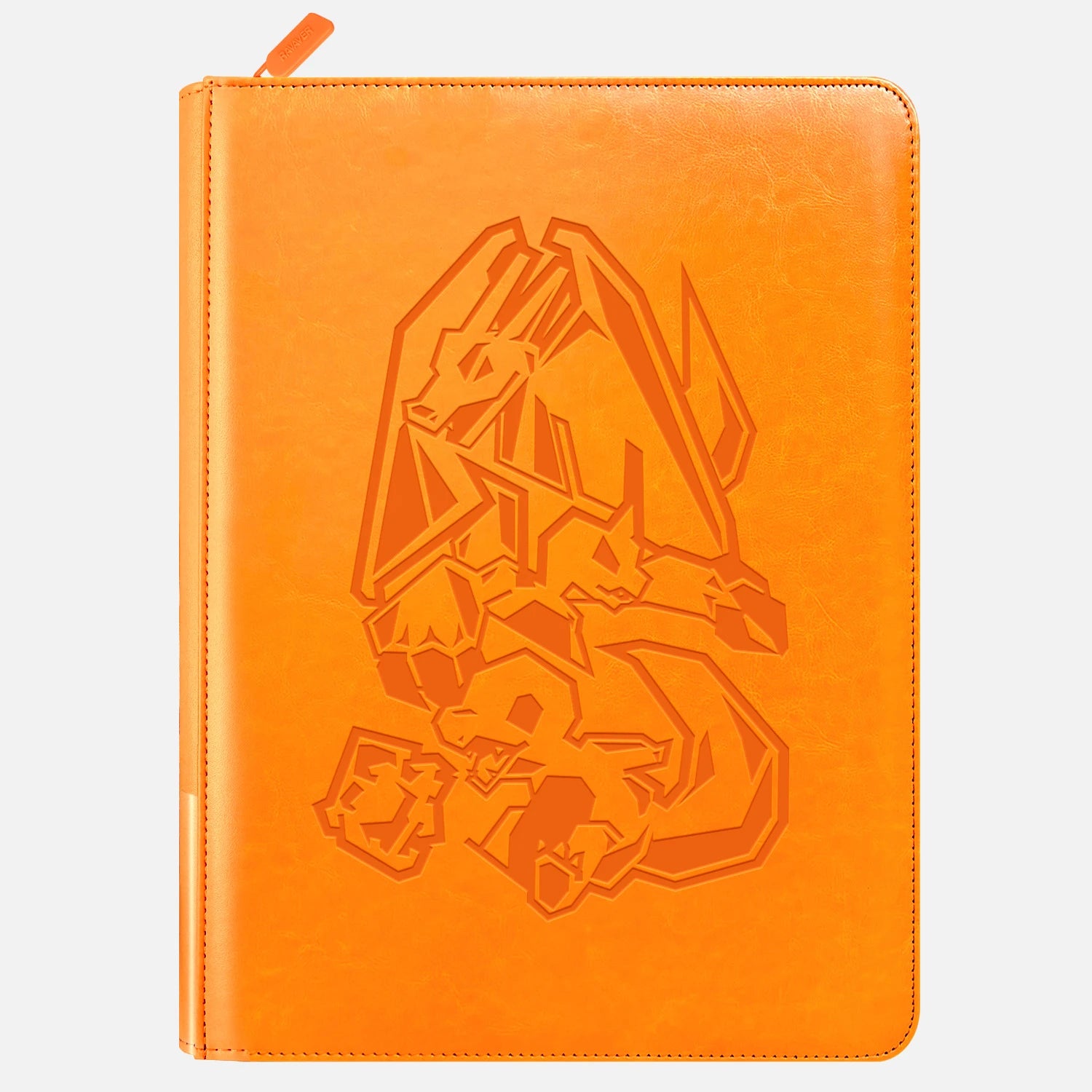
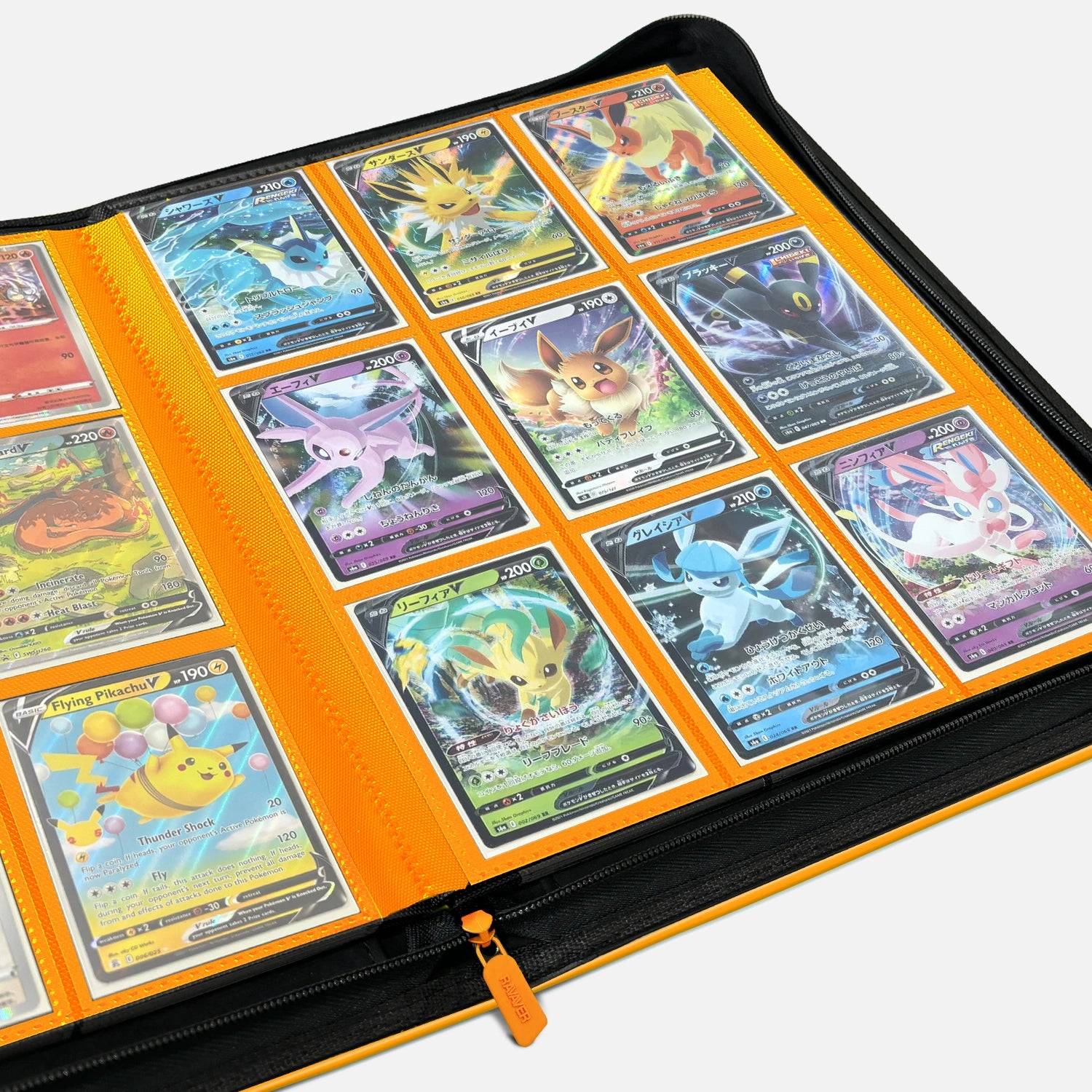
A premium binder mounted on a slim shelf or pedestal, displayed open to a single curated page. The page rotates every few weeks. This is what some collectors call the showpiece binder format, and it's growing because it solves the problem of having a great binder that mostly stays closed in storage.
The trick is the binder itself has to be display-worthy. A scuffed ring binder doesn't pull this off. Toploader-compatible Pokemon-themed binders are built specifically for this kind of always-visible role, where the cover is part of the display, not just the cover. Combine this with a small accent light and the binder becomes the centerpiece of a desk or shelf.
5. The Floating Acrylic Shelf System
Instead of frames, cards (in one-touches or toploaders) lean against thin floating acrylic shelves. The advantage is total flexibility: no holes in the wall, no fixed positions, cards swap in and out in seconds. The disadvantage is the cards are basically free-standing, which means dust accumulates and accidental knocks happen.
Cost-wise this lands around $80-150 for a multi-shelf setup. Visually it's clean and modern. It works best in spaces with low foot traffic and minimal pets or kids.
6. The TCG Mini-Studio
A dedicated corner of a desk or shelf set up as a permanent shoot setup: backdrop, soft LED light, props, and a rotating featured card or binder. This is what most card creators on TikTok and Reels use behind the scenes, and increasingly collectors are setting it up just for themselves.
The setup ranges from $50 (foam backdrop, single LED puck, a binder) to $300+ (proper photography backdrop, ring light, miniature display pedestal). The point is having a designated spot for the show-me-a-card moment, instead of clearing the kitchen table every time.
7. The Card Show Travel Display
This isn't a permanent wall, but it counts as display because it's how collectors show their collection at trade nights and card shows. A premium binder is the foundation, sometimes joined by a small portable display case for the high-end slabs. The whole rig fits in a backpack and unpacks in 60 seconds at a trade table.
Among r/PokemonTCG users who post trade table photos, the pattern is consistent: the collectors who get the most attention aren't the ones with the most cards, they're the ones whose travel setup looks like it was thought about. This is the lowest-cost idea on the list, often under $30 if you already own the binder.
8. The Single-Card Spotlight
One framed card. That's the entire setup. A premium single-slab shadowbox, the best card in the collection, hung on a wall like a piece of art. No grid, no theme, no companions.
This format takes confidence and one really good card. It works best for vintage WOTC grails, PSA 10 alt-arts, or any card with strong personal story. The visual restraint forces the eye to that single object. Most collectors who try this end up adding companions over time, but the original single-card spotlight format is the cleanest expression of this-card-matters.
Which idea actually fits your collection?
| Idea | Budget | Best for |
|---|---|---|
| Evolution Line Vertical | $30-90 | Themed collectors, single-Pokemon fans |
| Single-Set Master | $200-500+ | Set collectors, SIR hunters |
| Slab-Only Wall | $300-1000+ | Grading-focused collectors |
| Open-Binder Pedestal | $80-150 | Active collectors with premium binders |
| Floating Acrylic Shelves | $80-150 | Modern interior styles, low-pet households |
| TCG Mini-Studio | $50-300 | Creators, photo-heavy collectors |
| Card Show Travel Display | $30-100 | Trade table regulars, card show attendees |
| Single-Card Spotlight | $60-200 | Collectors with one grail card |
Frequently Asked Questions
Can I combine multiple of these in one room?
That's how most collector rooms actually end up looking. Common combinations: open-binder pedestal plus single-card spotlight, evolution line plus slab wall, mini-studio plus travel display. Two or three formats in one room reads as curated. Five or more reads as cluttered.
Which idea is best for someone just starting?
Open-binder pedestal or card show travel display. Both lean on cards a starting collector already owns, both can be done for under $100, and both work as the foundation for adding other formats later.
Are these display formats safe for high-value cards?
Depends on the format. Slab-only walls and single-card spotlights, when built with UV-filtering frames, are safe for high-value cards. Floating acrylic shelves and open binders are safer for mid-tier cards. The mini-studio depends on lighting and frequency of handling. Match value to format.
How often should I rotate cards on these displays?
For UV-exposed displays (most wall formats), every 6-12 months. For shadow-protected formats like the open-binder pedestal (which closes when not viewed), much less often. The rule of thumb: if light hits the card daily, plan to rotate; if not, no rotation needed.
Where to take this next
Pick one of these for the next month. Treat it as an experiment, not a permanent commitment. The hardest part of card display isn't building the wall, it's deciding what the wall is supposed to say about the collection. A month of living with one format teaches that lesson faster than reading another guide.
For the binder formats specifically, where the binder itself has to carry visual weight, that's what Ravaver builds toward. Pokemon-themed covers that don't disappear into the desk and protect what's inside without compromise.
Sources:
- PSA, Population Report data, retrieved 2026-05-12, https://www.psacard.com/pop
- r/PokemonTCG community discussion threads on display setups, retrieved 2026-05-12, https://www.reddit.com/r/PokemonTCG/
- Vaulted Collection, Pokemon Card Display Like a Pro, retrieved 2026-05-12, https://vaultedcollection.com/blogs/vaulted-blog/how-to-display-pokemon-cards-like-a-pro