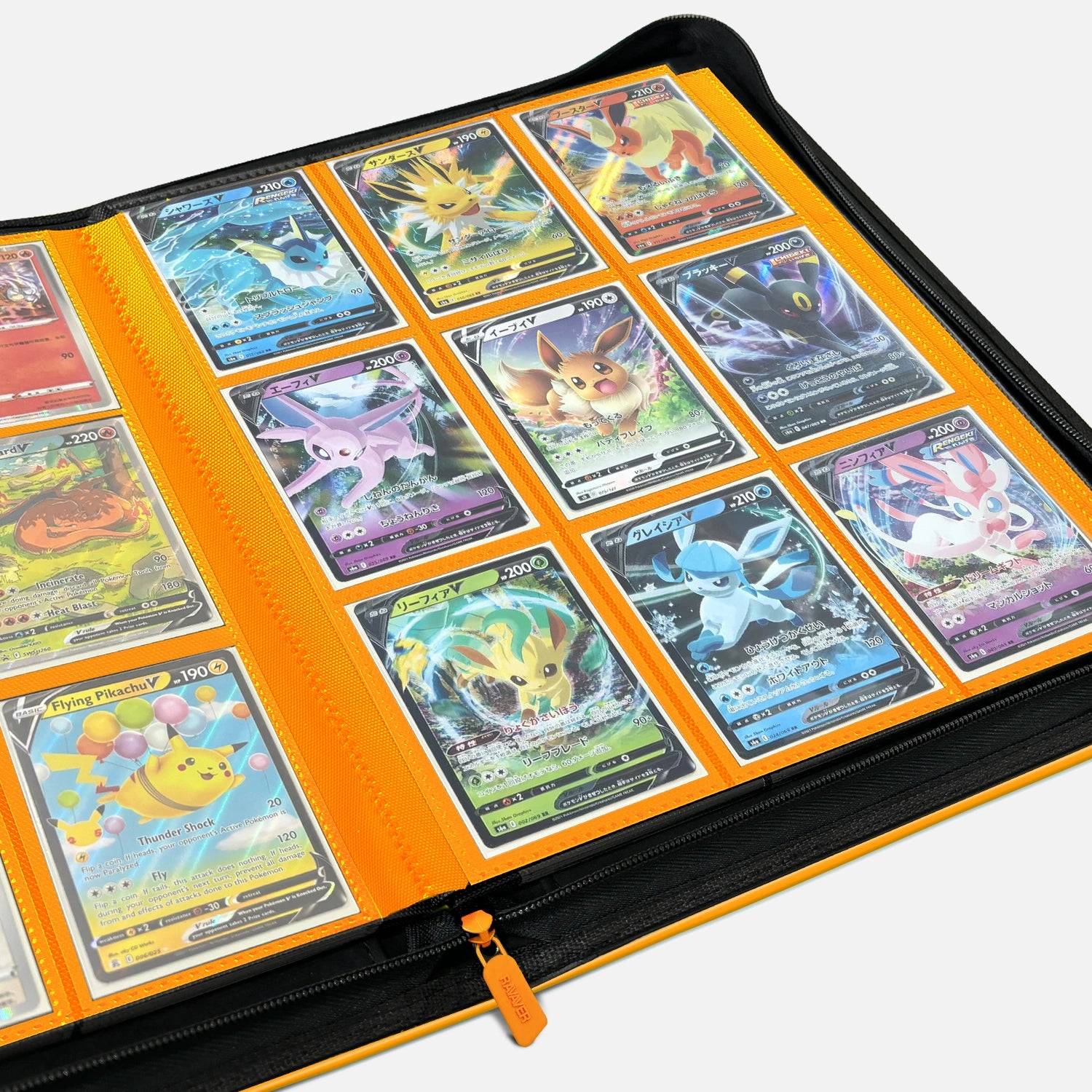
Three trading venues now dominate the Pokemon TCG secondary market. Card shows pull crowds of 80-200 traders to single-day events with vendor tables and serious volume. Local game store trade nights run weekly or biweekly with smaller crowds and more relationship-driven trades. Discord trading groups operate 24/7 with global reach but real shipping risk. Each venue rewards a different collector type, and choosing the wrong format for your goals is the most common reason new collectors stall.
This piece breaks down the three venues by the metric that actually matters: which one gives you the best deals for your situation. Spoiler: there's no universal winner. The right answer depends on collection size, risk tolerance, and how much time you can spend per trade.
Key Takeaways
- Card shows give 18-25% off retail on bulk and rare singles but require scale (you need real inventory to participate meaningfully).
- LGS trade nights give 5-10% off retail but build the relationships that source future chase cards at fair prices.
- Discord trades give 30%+ off retail but carry meaningful shipping risk and require strong reputation to access the best groups.
- The best strategy uses all three: shows for bulk acquisition, LGS for relationships, Discord for specific chase-card hunting.

The Three-Way Comparison at a Glance
Below is the side-by-side breakdown that most collectors never see laid out together. The numbers reflect typical outcomes for active traders moving $300-$1,500 per month in inventory, based on observable patterns from regional shows in Southern California and adjacent online communities.
| Dimension | Card Show | LGS Trade Night | Discord Trade |
|---|---|---|---|
| Typical discount vs retail | 18-25% off | 5-10% off | 30%+ off |
| Average trades per session | 5-12 | 2-4 | 1-2 per week |
| Time cost per trade | 15-30 min | 30-60 min (relationship) | 1-3 days (negotiate + ship) |
| Risk of scam / loss | Low (in-person inspection) | Very low (regulars known) | Moderate-high (shipping) |
| Best for | Bulk + chase cards | Relationships + repeat trades | Specific chase hunting |
| Reputation portability | Regional | Hyper-local | Global (within group) |
| Entry barrier | $10-$25 admission | Free | Group invitation |
Card Shows: Best for Volume and Bulk Acquisition
Card shows are the deepest liquidity venue in the secondary market. A regional show with 80-150 collectors moves substantial total value across a single day, and the discounts available on bulk and rare singles often exceed what the same cards would close at on TCGplayer or eBay after fees.
The structure works in the buyer's favor. Vendors and collector-traders who showed up with inventory are motivated to leave with cash or upgraded cards, not the same boxes they brought. By hour four of a show, sellers become noticeably more flexible on pricing. The collector who shows up early to scope and waits until late to close gets the best math.
The catch: card shows reward scale. If you have $200 in trade inventory, you'll struggle to get attention from sellers with $5,000 binders. They're optimizing for trades that move meaningful value. The minimum effective inventory for a productive card show is roughly $500-$1,000 in trade-ready cards.
What Card Shows Are Worst At
Two things. First, building long-term relationships; the format is too transactional and too crowded for real conversation. Second, finding specific chase cards; you'll see what's there, but if your target isn't on a vendor's table, you can't manifest it. Discord and direct LGS networks beat shows for targeted hunting.

LGS Trade Nights: Best for Relationships
Local game store trade nights are the slow-build venue. The discounts are smaller (5-10% off retail typically), the volume is lower, and the same 15-30 faces show up week after week. What you're trading isn't really the card; it's the foundation of relationships that source future trades.
The math works on a longer horizon. The collector who attends an LGS trade night for six months becomes part of the regular crew. From there, the asks get easier: "let me know if you ever come across a Charizard ex SIR" gets remembered, and three months later one shows up. The price is fair because you're a regular, not because you negotiated hard.
For collectors who care more about long-term sourcing than immediate margin, the LGS trade night is undervalued. Most show-only traders never build the relationships that produce repeat-trade pipelines.
What LGS Trade Nights Are Worst At
Speed and volume. If you have inventory you need to move fast, the LGS isn't the venue. The same 15-30 regulars only have so much capacity for trades, and the room runs out of buyers quickly for any single category. Shows beat LGS for liquidating in volume.
Discord Trades: Best for Targeted Chase Hunting
Discord trade groups are where the deepest discounts live, but also where the most risk lives. A well-run private Discord group with 200-500 vetted members can produce trades 30%+ off retail because shipping costs and grading variance create natural discounts on the seller side.
The mechanism: a seller posts a card, multiple buyers DM offers, the seller picks the best offer with the most trusted buyer. Trades are typically settled via PayPal Goods & Services (which gives buyer protection) and shipped insured via tracked mail. Reputation systems in the Discord (verified-trader badges, transaction counts, feedback threads) function as the trust layer.
The risk: shipping. Cards get damaged in transit. Sellers occasionally ship the wrong card. Buyers occasionally claim non-receipt and chargeback. Even in well-run groups, 1-3% of trades have a problem of some kind. Most resolve fine, but some don't.
How to Get Into Good Discord Trade Groups
The best Discord trade groups are invitation-only. Access typically requires either a referral from an existing trusted member or a verified social presence (active Instagram with consistent collector posts, eBay seller history with positive feedback, etc.). Cold-applying to closed groups rarely works.
The path most collectors use: join 2-3 large public Pokemon TCG Discord servers, build a positive reputation through small low-stakes trades, then get referred to private high-end groups by collectors you've successfully traded with.
What Discord Trades Are Worst At
In-person inspection and authentication. You can't UV-pen a card in a Discord trade. You can't check sleeve seams or slab integrity until the package arrives. For high-value vintage cards in particular, the inspection limitation is severe; most experienced vintage collectors will not Discord-trade WOTC singles over $200 unless the seller is a verified long-term member.
Which Venue Should You Use?
The wrong question. The right question is which combination, because the three venues solve different problems.
For collectors with $500-$2,000 inventory who want to grow value: heavy LGS attendance to build relationships, monthly card shows for bulk acquisition, light Discord usage for chase-card hunting only. The relationships compound over years.
For collectors with $2,000+ inventory who want maximum efficiency: heavy card show attendance for both buying and selling, regular Discord usage for liquid chase-card flow, occasional LGS appearances to maintain local presence. The volume rewards the format with the deepest liquidity.
For collectors building a brand or social presence: heavy LGS plus heavy Discord, light card show. The first two formats produce content (trade stories, relationships, repeat dealings); shows are too transactional to generate the same narrative density.
Frequently Asked Questions
What's the typical discount on Pokemon cards at a card show vs retail?
Card shows typically offer 18-25% off retail on bulk and singles for active traders. Discounts widen by hour four of a show as sellers become more motivated. By contrast, LGS trade nights run 5-10% off retail and Discord trades can hit 30%+ off but with shipping risk.
Are LGS trade nights worth attending if discounts are smaller?
Yes, for relationship building. The 5-10% discount is the immediate return, but the real value is the network. Regular LGS attendees get sourced for chase cards by other regulars who saw the card first, often at fair prices unavailable through any other channel.
Is it safe to trade Pokemon cards through Discord?
In well-run private groups with reputation systems, yes. In public servers with no vetting, no. Even in good groups, expect 1-3% of trades to have some shipping or condition issue. Use PayPal Goods & Services and insured tracked shipping for any trade over $100.
What's the minimum inventory you need to participate at a Pokemon card show?
Functionally, $500-$1,000 in trade-ready cards. Below that, sellers won't engage seriously because the trades won't move meaningful value. Beginners with smaller inventories should focus on LGS trade nights first to build up before attending shows.
How do you find good Pokemon card Discord trade groups?
Start with large public servers (the official Pokemon TCG community Discord and a few popular collector-run ones). Build a positive reputation through small low-stakes trades. Then get referred to private high-end groups by collectors you've traded with successfully. Cold applications rarely work.
Which trading venue gives the best deals on rare Pokemon cards?
Discord typically offers the deepest discounts (30%+ off retail) on specific chase cards because of shipping-cost arbitrage and seller motivation. Card shows offer better deals on bulk and mid-tier singles. LGS rarely offers the cheapest prices but produces the most reliable long-term pipeline.
Build a Multi-Venue Strategy
The collectors who win over multi-year horizons in the Pokemon secondary market don't pick a venue; they build a routine across all three. LGS for relationship infrastructure, card shows for volume and bulk, Discord for targeted chase hunting and liquid trading. Each venue handles what the others can't, and the combined effect outperforms any single-channel strategy.
Whichever combination you build, the prerequisite for all three is the same: clean presentation, disciplined comp data, and a binder that signals you take this seriously. Our trade table playbook covers the in-person presentation strategy. The unwritten etiquette rules cover the social mechanics. And for the binder that handles all three venues, the Ravaver lineup is built for collectors who treat their inventory like the asset it is.
Sources:
- TCGplayer, "TCGplayer Market Price Documentation," retrieved 2026-05-11, https://help.tcgplayer.com/hc/en-us/articles/213588017-TCGplayer-Market-Price
- PSA, "Population Report," retrieved 2026-05-11, https://www.psacard.com/pop
- GemRate, "Universal Population Report & Daily Grading Trends," retrieved 2026-05-11, https://www.gemrate.com/
- Ravaver collector observations from regional Pokemon TCG card shows, LGS trade nights, and active Discord trading groups, 2023-2026