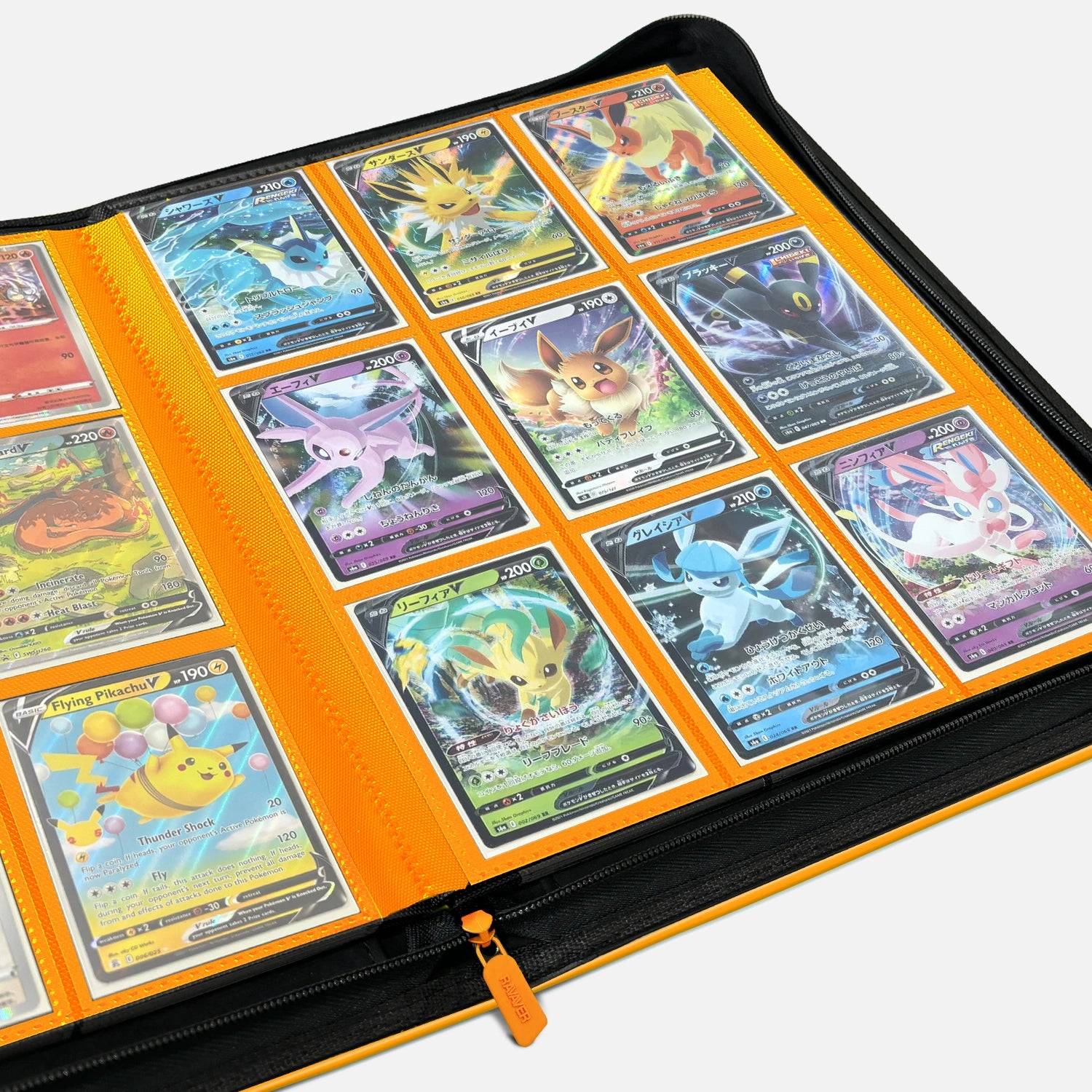
The difference between a $10,000 master set that nets $8,200 after fees and the same set that nets $5,800 has almost nothing to do with the cards. It has to do with the seller's workflow. The veteran who knows which cards go on which platform, when to list them, and how to price defensively against market drift comes out 30 to 40 percent ahead of the seller who just listed everything on eBay last weekend and hoped.
This is the 7-step sell-list workflow I built after liquidating three of my own master sets and watching way too many other collectors do it badly. It is platform-agnostic, accounts for time cost, and forces decisions before listings instead of during them. Run it once and you have a repeatable system.
Key Takeaways
- A sell-list workflow forces decisions upfront (tier, platform, timing) rather than during the messy middle when prices are drifting.
- Tiering cards into 3 buckets (chase / mid / bulk) lets each tier reach the right buyer pool at the right price.
- Platform-matching matters more than most sellers realize - eBay for chase singles, TCGplayer for mid-tier, dealer or eBay lot for bulk.
- Pricing defensively (list at top of recent sold range, accept counters down to median) outperforms ambitious pricing on every metric except ego.
- Time-blocking the sell process (90 minutes per session, twice a week) beats binge-listing on every metric except impatience.
The 7-Step Sell-List Workflow
- Inventory and price every card. Build a spreadsheet with card name, set, condition, recent sold price, and current top-of-range listing price.
- Tier into 3 buckets. Chase (top 10-15% by value), mid (next 25-30%), bulk (bottom 55-65%).
- Match each tier to the right platform. Chase to eBay or PWCC, mid to TCGplayer or eBay, bulk to dealer or eBay lot.
- Decide grading triage. Identify which raw cards justify grading; submit before listing the chase tier.
- Photograph and write listings in batches. Block 90 minutes per session, knock out 15 to 25 listings per block.
- Stage and time the listings. Release in batches of 10 to 20, never the full inventory at once.
- Track, repeat, and adjust. Re-price weekly based on what sold and what sat; rotate aging listings.
Step 1: Inventory and Price Every Card
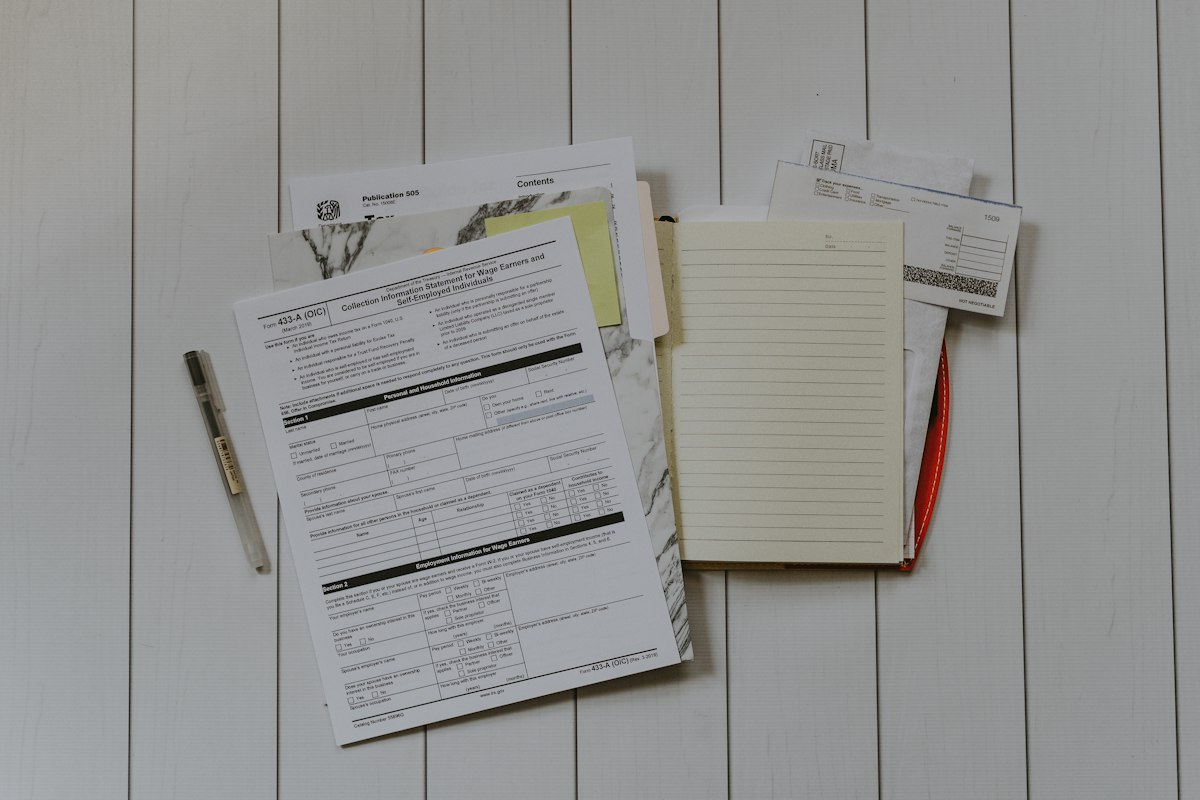
This is the unglamorous step that determines everything downstream. Open a spreadsheet (Google Sheets, Excel, Numbers - whatever you'll actually use). Build columns for: Card Name, Set, Card Number, Condition (NM/LP/MP/HP), Quantity, Recent eBay Sold Median (30-day), Top-of-Range Listing Price, Target Sell Price, Notes.
For pricing, use eBay's sold listings filter sorted by Recently Sold. Pull the 30-day median, not the highest or lowest. PriceCharting works as a quick reference but eBay sold is the actual market. Allow 3 to 5 hours for a 200-card master set. This is the heaviest single time investment in the whole workflow, but it powers every other decision.
Step 2: Tier Into 3 Buckets
Sort the spreadsheet by Target Sell Price descending. Apply the 3-tier rule:
| Tier | Card Count | % of Total Dollar Value | Sell Strategy |
|---|---|---|---|
| Chase (Tier 1) | Top 10-15% by value | 60-75% | High-touch, individual sales, premium platforms |
| Mid (Tier 2) | Next 25-30% | 15-25% | Standard sales, mid-tier platforms, batch listings |
| Bulk (Tier 3) | Bottom 55-65% | 5-15% | Lot sale to dealer or eBay bulk listing |
The math works because Pokemon collection value is power-law distributed - a few chase cards carry most of the value, and the long tail of commons and uncommons does not justify individual listing time. Tier 1 gets your attention. Tier 3 gets liquidated quickly.
Step 3: Match Each Tier to the Right Platform
Platform-matching is the most undervalued lever in collector sales. Each platform has a different buyer pool and a different fee structure. Mismatched cards lose 15 to 30 percent.
| Tier | Best Platforms | Why |
|---|---|---|
| Chase singles (graded over $500) | PWCC auction, eBay BIN with Best Offer | Premium buyers, auction format captures top-of-market |
| Chase singles (raw, $200 to $500) | eBay auction or BIN | Largest buyer pool, fast liquidity |
| Mid-tier raw ($25 to $200) | TCGplayer or eBay | Set-completer buyer pool, lower fees on TCGplayer |
| Bulk commons and uncommons | Card shop, eBay bulk lot, Facebook Marketplace | One-and-done sale, save hours of listing time |
For cards over $5,000 each, consider Goldin's major auctions. They reach institutional buyers and serious collectors that eBay simply doesn't tap.
Step 4: Decide Grading Triage
Before listing Tier 1, decide which cards justify grading. The math: a card needs to be worth at least $40 to $60 raw, with reasonable confidence of PSA 9 or 10 grade, for grading economics to work in 2026. Sub-$40 raw cards lose money on grading even at PSA 10.
The cards that justify it: high-value raw chase cards where you can identify near-mint condition with strong centering and clean surfaces. The cards that don't: anything with visible whitening, surface scratches, or off-center print. Submit your justified cards to PSA before listing the chase tier so you don't have to relist twice.
Step 5: Photograph and Write Listings in Batches
Batch processing beats one-at-a-time on every dimension. Block 90 minutes per session. Set up a consistent photo station (white background, even lighting, phone on a tripod works fine). Photograph 20 to 30 cards in one session. Write listing copy in a second session. List in a third.

Listing template that works for every card (fill the variables):
[Card Name] - [Set Name] - [Card Number] - [Rarity]
Condition: [NM/LP/etc] - Card stored in sleeve and toploader since purchase
Ships in toploader within team bag, bubble mailer, tracked shipping
Bundle and save - check my other listings
Boring? Yes. Effective? Yes. Buyers want to find the card, see the condition, and trust the shipping. Personality in card listings is wasted effort.
Step 6: Stage and Time the Listings
Never release the full inventory at once. Three reasons. First, flooding your own listing pages on the same set tanks each individual card's perceived scarcity. Second, eBay's search algorithm favors recent listings - releasing in waves keeps you visible for longer. Third, market drift over 90 days means cards listed in week 1 might be priced wrong by week 8, and you want flexibility to adjust.
The cadence that works:
- Week 1: List the top 10 chase cards (highest dollar value, most attention)
- Week 2: List the next 10 chase / high mid-tier
- Week 3-6: Roll out mid-tier in waves of 15-20 per week
- Week 7+: Bulk lot or dealer sale
End-time eBay auctions on Sunday evenings between 7 PM and 10 PM Eastern - that is the historical demand peak for Pokemon TCG buyers. Buy-It-Now listings can launch any day but Tuesday/Wednesday listings get the most week-of activity.
Step 7: Track, Repeat, and Adjust
Update the spreadsheet weekly. Mark sold cards, note final price vs target. For cards that sat 14+ days without offers, reduce price 10 percent. For cards that sold within 48 hours at full ask, you priced low - raise the next similar card. The discipline is checking the spreadsheet on Sunday evening and making the adjustments before listing the next batch.
The aging rotation rule: any listing over 30 days gets relisted with new photos and a 10 to 15 percent price cut. After 60 days, move to bulk lot or dealer sale - the long tail of unsold mid-tier cards is the biggest source of seller fatigue.
The Time Math (Be Honest With Yourself)
A disciplined sell-list workflow on a 300-card master set takes roughly 30 to 50 hours over 90 days. Break that down:
| Task | Time Budget |
|---|---|
| Inventory and pricing (Step 1) | 3 to 5 hours |
| Tiering and platform planning (Steps 2-3) | 2 hours |
| Grading submission prep (Step 4) | 2 to 4 hours |
| Photography (Step 5) | 5 to 8 hours |
| Listing creation (Step 5) | 8 to 12 hours |
| Packing and shipping (over 90 days) | 10 to 15 hours |
| Tracking and adjusting (Step 7) | 3 to 5 hours |
If your day-job hourly rate is $40 or more and the workflow gets you an extra $2,000 net versus a whole-set sale, the time math works. If the net delta is under $1,500, consider the whole-set or hybrid path instead.
Frequently Asked Questions
What spreadsheet template should I use?
A simple Google Sheet with columns for card name, set, condition, quantity, recent sold median, target price, platform assigned, listing date, and sold date. No need for fancy templates - the discipline of filling the columns matters more than the template design.
How do I price cards that have no recent sold history?
Look at comparable cards from the same set with similar rarity tier, and adjust based on artwork desirability. For truly rare cards with no recent sales, list at the highest active listing price minus 15 percent and accept best offers down to 70 percent of that.
Should I run auctions or Buy-It-Now listings?
Buy-It-Now with Best Offer works for most cards under $300. Auction format works better for cards above $500 where bidding dynamics push price higher than fixed pricing. Avoid auctions on cards under $50 - listing fees eat too much margin.
What's the right shipping method for Pokemon cards?
Card in sleeve, in toploader, in team bag (or bubble wrap), in bubble mailer, with tracking. USPS Ground Advantage for under $100 cards, Priority Mail for $100 to $500, Priority Mail with signature for over $500. Insurance for anything over $300.
How do I handle returns from buyers?
Accept returns within 30 days with buyer paying return shipping for non-defective claims. For "not as described" claims, eBay's Money Back Guarantee will force the return regardless of your policy - so document condition with photos before shipping every time, and never ship in worse condition than listed.
Your Next Step
This weekend, start the spreadsheet (Step 1) for your top 20 cards by value. Just 20. That single act forces you to look up current sold prices, which is itself a useful market discipline. From there the workflow scales to the rest of the collection at your pace.
For the broader exit framework that contextualizes this workflow, see our pillar on when to sell your Pokemon master set. For the platform fee math behind tier-matching, see whole-set vs individual card selling. For tax implications, see Pokemon card sales tax in 2026. For timing the market against the indicators, see reading TCG market cycles.
And whatever you sell or keep, the cards that stay deserve proper protection. Browse our premium collector binders built for the cards you decided were worth holding through the next cycle.
Sources
- TCGplayer Help Center, Marketplace Fees and Direct Pricing structure, retrieved 2026-05-22, help.tcgplayer.com
- PSA, Submission services and pricing, retrieved 2026-05-22, psacard.com
- PWCC Marketplace, Auction and submission services, retrieved 2026-05-22, pwccmarketplace.com