The display idea you save from Pinterest probably won't survive contact with a Florida summer or a south-facing window. Most of the "Pokemon card display" inspiration online is engineered for one photograph, not for cards that need to stay mint for the next decade. After watching a dozen collectors in r/PokemonTCG show off their masterpieces in May and complain about UV fade by September, the pattern is clear: display ideas split into two camps, the ones that look good on day one and destroy cards by month six, and the ones that hold up for years.
This list is the second camp. Nine display setups I've seen veteran collectors use for finished master sets without losing condition. Each one notes what it costs, what it protects, and where it fails. None of them require custom carpentry or a $2,000 display case. Most are under $50.
Key Takeaways
- The good display ideas are rotations, not permanent installations. A card on display 30 days then back in archive beats a card on display 365 days no matter how good the case looks.
- UV-filtering glass or acrylic is non-negotiable for any wall display. The $20 upgrade prevents the $400 grade hit.
- The Toploader Binder on a Book Stand is the single most underrated setup. Display variety without permanent exposure.
- Avoid: clear-lid slab boxes, anywhere near south or west windows, magnetic holders displayed flat in sunlight.

1. Acrylic single-card stand on the desk ($4–$12 per card)
The highest display-value-per-dollar setup in the hobby. A single clear acrylic stand holds one card (raw, sleeved, or in a magnetic holder) upright on your desk or shelf. Cost is $4–$12 for a quality stand. Put your favorite card from the master set in it, rotate every 30 days. The setup works because you're in the room, you see it daily, and you naturally control the lighting environment around your own desk.
What it protects: dust, abrasion, accidental handling. What it doesn't: prolonged UV if the desk faces a window. Solution: face the desk away from windows or use UV-filtering acrylic stands (slightly more expensive, $10–$15 each).
2. Riker mount cases on a wall, away from windows ($15–$30 per case)
The collector standard for showing themed groups. A Riker mount is a felt-lined display case with a glass top, sized to hold 8–16 cards in a single layout. They've been used by numismatists, philatelists, and trading card collectors for decades because they work. Mount one on an interior wall, fill it with a themed group (the full holo run from one set, the full SIR sequence, the reverse-holo line from a single master set), and rotate the layout every 90 days.
The 8x10 case holds 8 cards. The 11x14 case holds 16. Both run $15–$30. The mistake is hanging them in direct or reflected sunlight — even "indirect" light from a south-facing window can fade card backs over six months.
3. UV-filtering shadow boxes for single grail cards ($25–$80 per box)
For one specific card you want to display permanently, a UV-filtering shadow box framed in a quality wood or aluminum frame is the closest thing to a museum installation. IKEA's Ribba line works at the low end. Custom framing shops can build higher-end versions with archival mat board and museum-grade UV glass. Either way, the UV-filtering glass is the part that matters.
Standard glass blocks about 40% of UV. Museum-grade UV-filtering glass blocks 99%. The price difference is $30–$60 on a shadow box. For a card you're displaying for years, that's the right upgrade.
4. IKEA Detolf with LED strip lighting ($80–$200 setup)
The unofficial Pokemon collector standard for the "collection room" aesthetic. The IKEA Detolf is a $90 glass display cabinet that holds shelves of cards in single-card stands or Riker mounts. Add a $20 LED strip kit (warm white, not cool white), mount it under the top shelf to backlight the cards, and you have a self-contained display unit.
Why it works: the cabinet has glass doors that reduce dust, the LED strip generates almost no heat, and the cabinet's vertical orientation means you can rotate displays floor to ceiling. Why it fails: place it in front of a south-facing window and the rear-mounted cards still get UV from outside the cabinet. Always orient the Detolf perpendicular to or away from windows.
5. Premium toploader binder open on a book stand ($65–$120 binder + $20 stand)
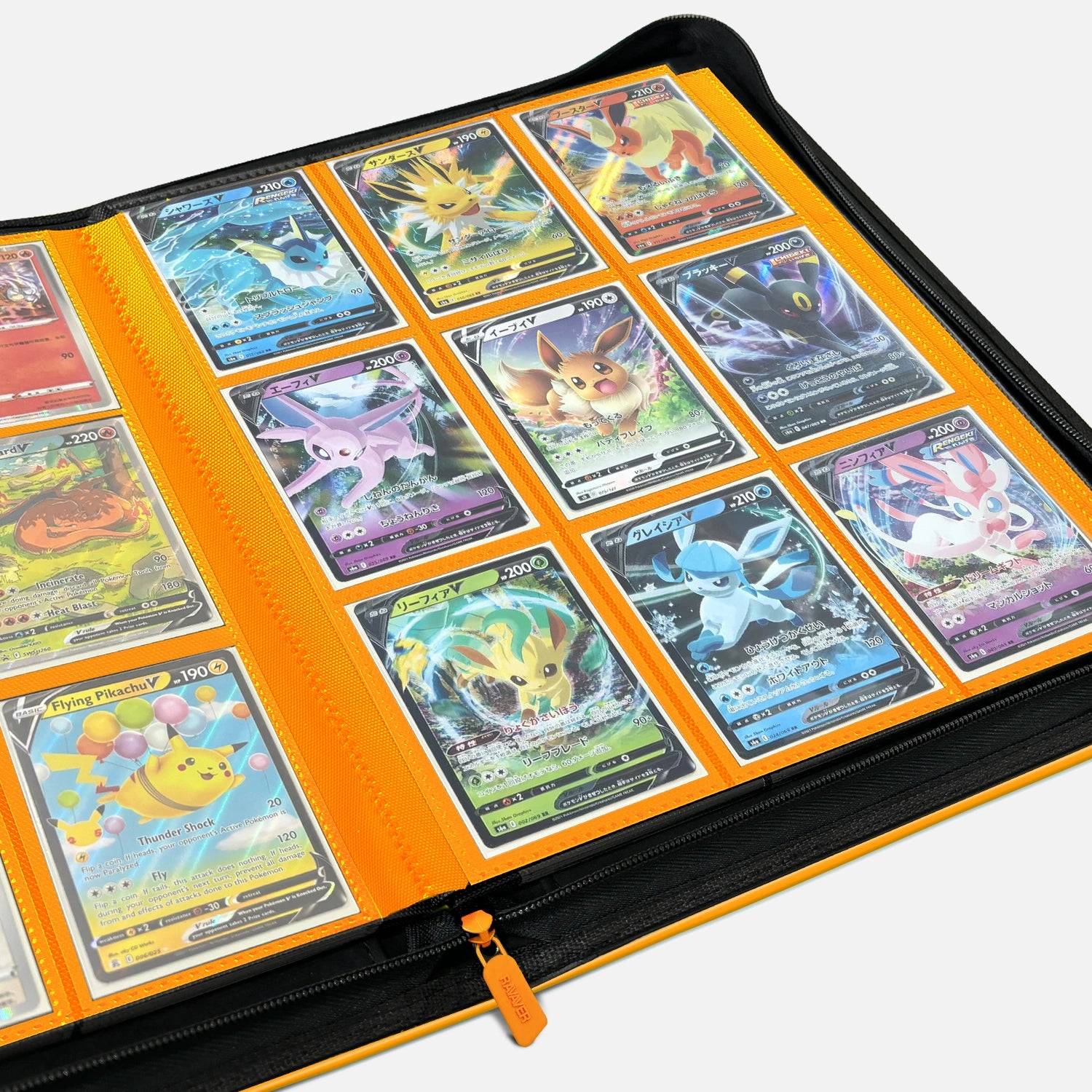
The most underrated display setup in the hobby. A premium toploader binder opened to one page on a wooden book stand on your shelf or desk. Rotate which page is "up" every few days. The setup gives you display variety — you can show 18 cards a week without committing any single card to permanent exposure — and the binder itself protects the cards on every other page.
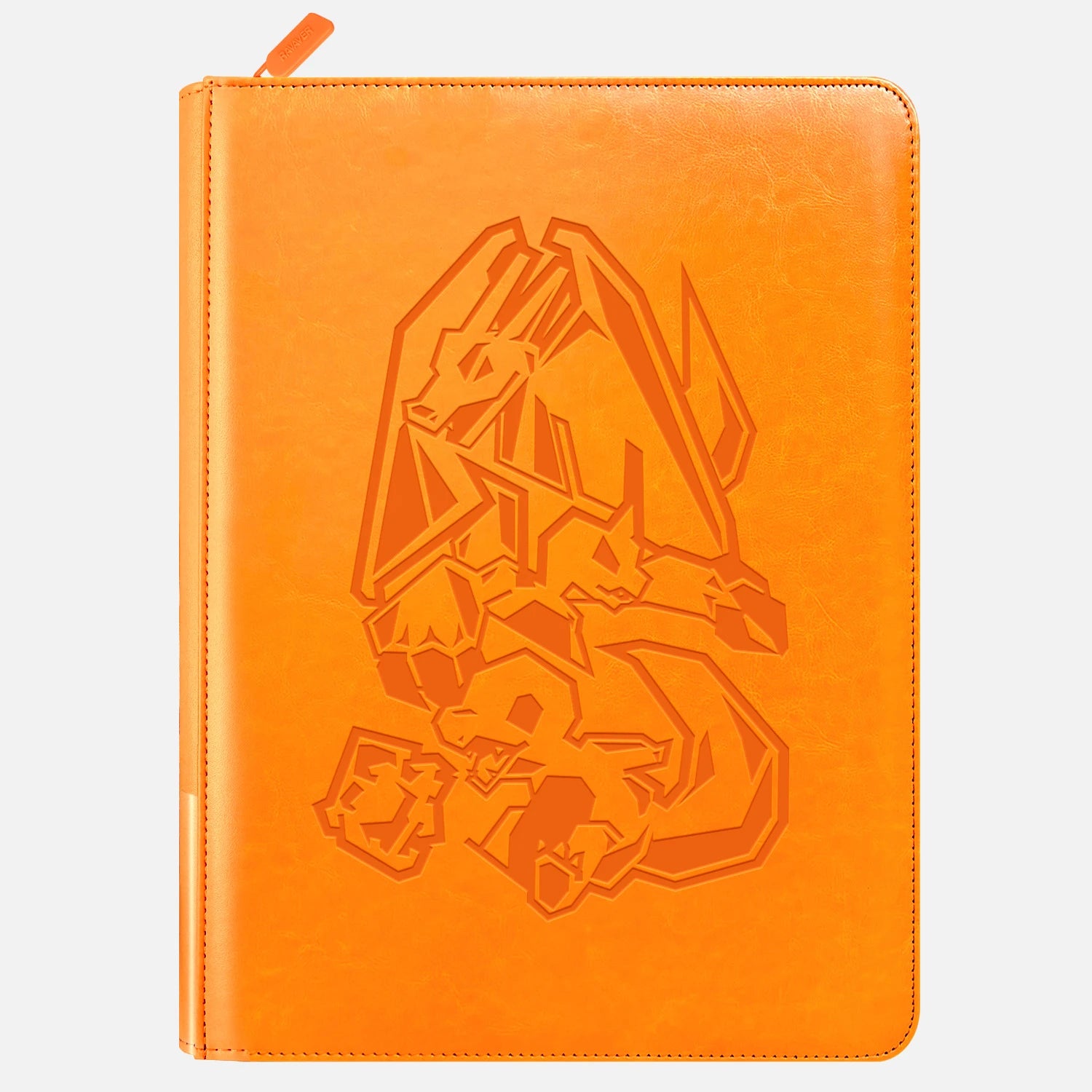
Ravaver's toploader binder collection is built for this use case specifically: the binders are heavy enough to stay open at any page without binding springs back, and the pages are archival-grade so the cards in the closed pages are protected too. Wooden book stands run $15–$25 on Amazon. Total setup under $150 for what is effectively a rotating gallery of your master set.
6. Magnetic card holders in a desk drawer or shallow display tray ($3–$8 each)
For collectors with kids in the house or open offices where displayed cards get touched, the desk drawer setup keeps cards visible but out of reach. Get a shallow felt-lined drawer organizer (kitchen utility organizers work), arrange magnetic-holder-encased cards in rows, and pull the drawer open when you want to look. Cards stay flat, dust-free, and out of direct light.
The trade-off is the cards are out of sight most of the time. For collectors who genuinely enjoy the act of "opening up to see them," this works. For collectors who want passive display, skip this and use a single-card stand on the desk instead.
7. Wall-mounted slab display frame (UV glass, no direct light) ($40–$120)
For displaying graded cards specifically, a wall-mounted slab display frame holds PSA, BGS, or CGC cases behind UV-filtering glass with a quality mat. Sized for one to four slabs per frame. Best for displaying graded chase cards from a finished master set in a way that looks intentional, not improvised.
The product to actually buy isn't the cheapest one on Amazon — the budget options use regular glass and acrylic. The ones worth buying have UV-filtering glass, acid-free mat board, and proper slab-sized recesses that hold the case without pressing on the seam.
8. Themed binder + display rotation per master set ($100–$200 per setup)
For collectors with multiple master sets in progress or finished, dedicating one premium binder per set creates a portable display system. Each binder lives on a shelf when not in use. When friends come over or you're at a card show, pull out one binder for the relevant set and show it. The display lives in the act of showing, not in permanent installation.
This is how most veteran collectors I know display their multi-set collections. It's portable, protective, and scales — every new master set gets its own binder and joins the rotation. The toploader-friendly binders that hold up to this kind of regular handling are at the premium end of the market because the hinges, zippers, and page pockets are the parts that fail first on cheap binders.
9. Single-card display in an office or workspace, rotated weekly ($10–$25 setup)
The simplest and most underrated display in the list. One card. One stand. One specific shelf in your office or workspace that you see all day. Swap it weekly. The card gets seven days of attention, then goes back into archive, and a different card comes out.
Why it works: you actually see the card. Most "display" setups put cards in a room you visit twice a week. This setup puts one card in front of you for eight hours a day. Over a year, you give equal attention to 50+ cards from the master set, with zero permanent UV damage to any single one. For collectors who finished a master set specifically to enjoy the cards, this is the closest you'll get to "daily collection ownership."
The two display ideas to skip in 2026
Clear-lid "display" slab boxes. Marketed as combination storage-and-display. They don't work because acrylic, even thick acrylic, transmits enough UV to cause measurable fade on white card borders within six months in any room with windows. Use the proper opaque-lid slab box for storage and a separate display setup for showing.
Acrylic page-mount frames in a south-facing room. The mount itself is fine. The location is the problem. Direct or reflected sunlight from a south or west-facing window will fade cards through any acrylic or single-pane glass within a season. Either move the frame to an interior wall or upgrade to UV-filtering glass and add window film.
Frequently Asked Questions
What's the best way to display Pokemon cards without damaging them?
Single-card acrylic stands on an interior desk or shelf, with cards rotated every 30 days, is the safest high-engagement option. For permanent display, UV-filtering shadow boxes on interior walls (away from south and west-facing windows) and Riker mount cases under glass are the standards. Avoid clear-lid slab boxes, direct sunlight, and any "display" product that doesn't specifically mention UV filtering.
How long can a Pokemon card stay on display without fading?
With UV-filtering glass and indirect light, decades. With standard glass and indirect light, 5–10 years before measurable fade. With direct sunlight, 3–12 months. The rotation strategy (display 30 days, archive 11 months) extends the safe display window indefinitely because no single card accumulates significant exposure.
Do I need UV-filtering glass for Pokemon card displays?
Yes for any wall-mounted or window-adjacent display. UV-filtering glass blocks roughly 99% of UV radiation versus 40% for standard glass. The upgrade costs $20–$60 per frame and pays for itself if it prevents a single chase card from losing a grade to UV fade. For displays in interior rooms away from windows, standard glass is acceptable for short rotations.
Can I display graded slabs in a shadow box?
Yes, but the shadow box needs to be deep enough to accommodate the slab thickness (PSA cases are about 7mm) and the mat needs slab-sized cutouts, not card-sized cutouts. Standard art-frame shadow boxes are not deep enough. Specialty slab display frames (designed for graded sports cards and trading cards) work. The price gap between a $25 generic shadow box and a $60 slab-specific shadow box is the cutout precision and depth.
What's the worst display idea for Pokemon cards?
Magnetic holders propped up on a windowsill. Combines direct UV exposure, temperature swings from the window, and zero physical security. Variants: cards taped to walls, cards laid flat under desk lamps, cards in acrylic frames hung on south-facing windows. Anything that exposes cards to sustained direct or reflected sunlight is the worst category.
How often should I rotate cards on display?
Every 30 days for cards under indirect interior light. Every 7–14 days for cards in any partial UV exposure (windows nearby, even with UV filtering). The rotation prevents any single card from accumulating enough exposure to show fade, and it keeps the display fresh — most collectors find rotation more enjoyable than permanent installation anyway.
Are display cases climate-stable?
Most are passive enclosures that follow room conditions. They don't actively control humidity or temperature. For climate stability, the room they sit in is what matters, not the case itself. A sealed acrylic case in a humid room actually traps humidity around the cards, which is worse than an open shelf in a climate-controlled room. Always store the bulk of your collection in proper Tier 2 archive conditions and use displays only for the cards on rotation.
What to do this week
Pick three cards from your finished master set that you actually want to see daily. Buy three acrylic single-card stands on Amazon for $15. Put them on your desk or office shelf. Set a calendar reminder to swap one card every 30 days. That's the entire setup, total cost under $20, and it solves the "but I want to see them" problem most master set collectors hit after the cards go into proper Tier 1 and 2 storage. Everything else on this list is variations on the same idea.
Sources:
- Library of Congress, "Light Exposure Recommendations," retrieved 2026-05-21, https://www.loc.gov/preservation/care/light.html
- PSA Card, "Card Care and Display Guidance," retrieved 2026-05-21, https://www.psacard.com/articles/article/3203
- r/PokemonTCG and r/pkmntcgcollections display threads, retrieved 2026-05-21, https://www.reddit.com/r/PokemonTCG/