The question shows up on r/PokemonTCG about once a month. Some version of: "my buddy says I shouldn't tell anyone what my collection is worth — is he being paranoid?" The comments usually split. Half saying never share, half saying don't be weird about it. Neither side is exactly right.
The honest answer is that it depends on three things — who you're sharing with, whether you've done the basic protection work, and what neighborhood you live in. A blanket rule doesn't survive contact with real life. A 25-year-old in a Seattle apartment with a renter's insurance rider and a sub-\$5,000 collection has a very different math than a 40-year-old in a Florida house with a \$200,000 grail wall and no security system.
Here's the framework I use, the actual risk picture as of 2026, and the things I tell people to never share regardless of context.
Key Takeaways
- Pokemon card theft moved from niche concern to mainstream news cycle in 2024-2026 — CNN ran a piece in April 2026 calling the wave an "international crime spree."
- The bigger risk isn't strangers seeing your collection — it's the public dollar figure attached to a public address. Posts pairing collection value with location data are the actual signal thieves look for.
- Three factors determine what's safe to share: who your audience is (private friends vs public internet), whether you have insurance (changes the cost of a worst-case), and your geo (urban high-density vs suburban single-family).
- Three things to never share publicly regardless of context: total collection dollar value, photos showing your home's exterior or distinguishing interior features, and live-location data tied to a high-value piece.
What the actual risk looks like in 2026
The Pokemon TCG market has roughly tripled in dollar volume since 2019, and the criminal world figured this out somewhere around 2021. CNN's April 2026 coverage framed Pokemon cards as one of the fastest-growing collectibles crime categories globally (CNN Business coverage). Individual shop robberies have hit five and six figures — a Pennsylvania shop lost almost \$10,000 in cards to a single shoplifting incident, a Florida operator was arrested in connection with 75 separate thefts.
Home break-ins driven by collection knowledge are rarer than shop robberies but well-documented. A UK collector lost more than £200,000 in a single home break-in in early 2024 (GamingBible reporting). The pattern in those cases is usually one of two: cards spotted at a card show or LGS by someone who follows the collector home, or cards visible on social media paired with location-identifying details.
Reddit's r/PokemonTCG has a recurring genre of "my place got hit" threads, with collectors describing thieves who took only the cards and ignored TVs, jewelry, and other obvious targets. Those cases almost always trace back to public posts that exposed both the value and the address.
The three factors that change the answer
Factor 1: Who your audience is
The audience determines the trust contract. A trusted friend group of fellow collectors is a different room than a public Reddit thread, which is a different room than a TikTok feed with 30,000 followers.
| Audience type | What's typically safe to share |
|---|---|
| Close collector friends, LGS regulars, trade partners you trust | Approximate collection value, specific high-value pieces, what you're hunting |
| Private Discord servers, vetted Facebook groups | Individual card values, photos of grails, in-progress builds |
| Public Reddit threads, Instagram public account, TikTok | Individual cards without total values, no home exterior, no live location |
| Anyone you don't know in person or online | The minimum that's relevant to the conversation |
The trust gradient runs from people who know your name and would never use the information against you, all the way out to strangers on the internet who could be anyone. Adjust what you share by where the audience sits on that gradient.
Factor 2: Whether you've done the protection work
If your collection is insured, photographed and inventoried, and stored in a way that survives a break-in attempt, the downside of public exposure is dramatically smaller. The worst case becomes an insurance claim and replacement, not a financial catastrophe.
The protection checklist:
- Collectibles rider on homeowner's or renter's insurance (typically \$1-\$2 per \$100 of insured value annually)
- Itemized inventory with grades, serial numbers, and recent comp prices
- Photos of every graded slab including the cert number, stored in cloud backup
- High-value pieces (over \$1,000) in a fireproof safe or bank box, not on the open trophy wall
- Home security — even a basic doorbell camera system raises the bar significantly
If you've done these, more transparency is reasonable. If you haven't, every public post is taking on risk that doesn't need to be there.
Factor 3: Where you live
This is the factor most people don't want to think about, but the math is real. A 12th-floor apartment in a building with a doorman and key fob access has a very different threat profile than a ground-floor house on a quiet suburban street with a glass back door. Urban density doesn't make crime go away, but it adds layers of access friction. Suburban single-family homes with visible windows and accessible side yards are easier targets.
The geo factor isn't about being paranoid, it's about being honest with yourself about access risk. The more accessible your living situation, the more conservative your public sharing should be — not because you have to hide, but because the asymmetry between a 30-second post and a multi-year financial setback is unfair.
The three things never to share publicly
Regardless of audience, insurance, or location, these three things should stay off public platforms.
1. Total collection dollar value
"My collection is worth \$45,000" is the exact data point that converts a card collector into a target. Even rough estimates published publicly aggregate over time — someone going through your post history can build a picture of your collection's growth and current value. Individual card values are fine because they don't sum up to a target number. Aggregate totals are not.
2. Photos that show home exterior or distinguishing interior features
Window views with recognizable neighborhood features. Mail in frame with your address. A distinctive light fixture or art print that's been geotagged in your other posts. Any one of these is fine in isolation; combined with collection content they become a trail. A photo of your trophy wall with your front door in the background is not the same as a photo of your trophy wall against a neutral interior wall, even though they show the same cards.
3. Real-time location tied to high-value pieces
"At Anaheim card show this weekend with my Charizard ex SIR PSA 10" is a different post than "finally got my Charizard ex SIR PSA 10" with no location. Live-location data plus high-value piece data plus a recognizable face creates a trail anyone can follow from the show to your car to your home. Card show season is when the highest-value targeted thefts happen, and the trail almost always starts on social media.
What's actually fine to share
The above list looks restrictive but isn't. Most of what makes collector content interesting is still fully shareable:
- Specific cards with individual prices (one Charizard's value tells nobody what your total is)
- Pulls, build progress, hunting goals
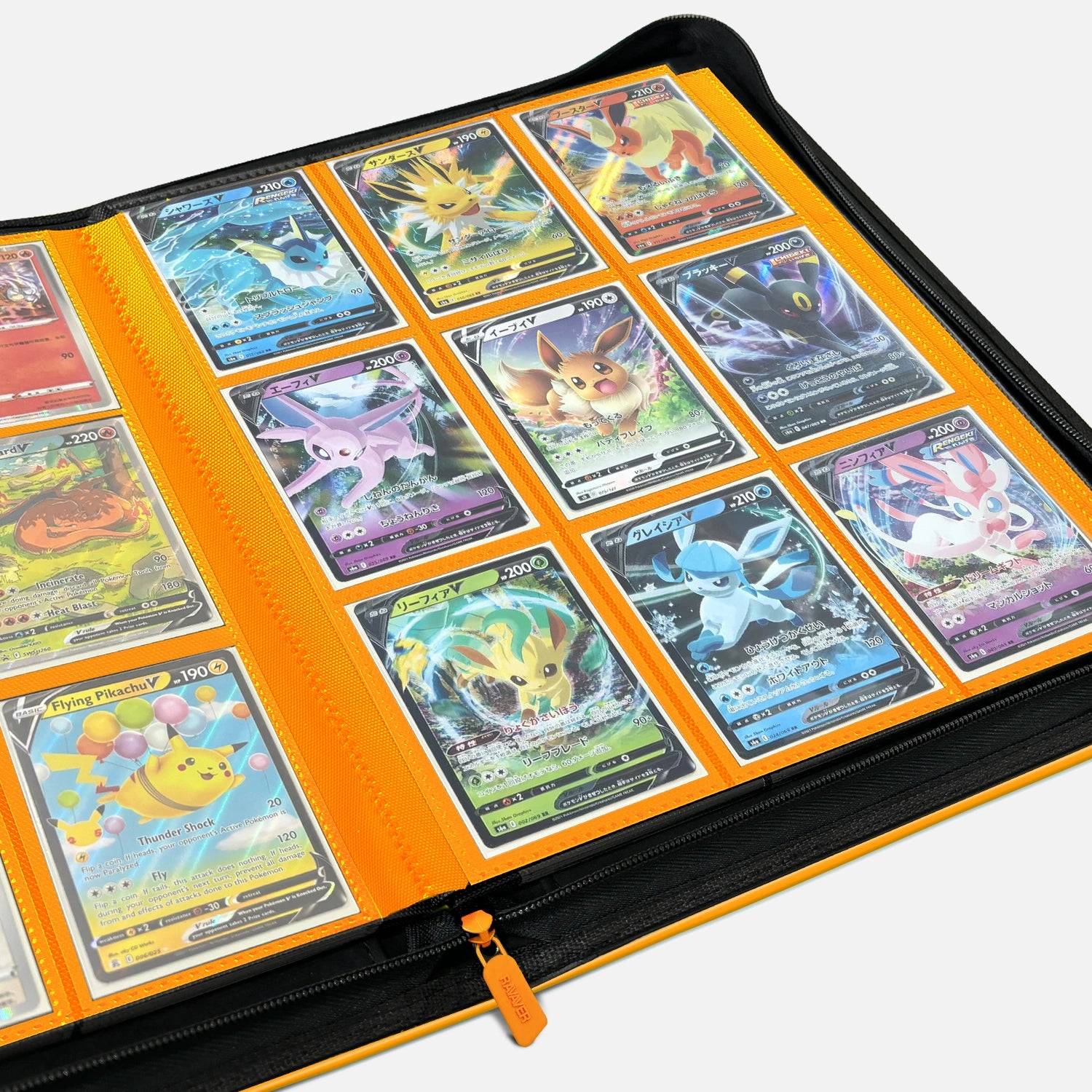
- Setup photos showing display layouts and binder content (with neutral backgrounds, no exterior cues)
- Trade table footage at card shows after you're back home, with timestamps offset
- Recent purchase celebrations with the card and the receipt amount
- Detailed breakdowns of cost basis, grading ROI, set completion economics — stories about the hobby itself
The line is roughly: anything that's interesting to fellow collectors and could be true of anyone with similar cards. The danger zone is anything that uniquely identifies your collection plus you plus your location.
What about insurance, then?
Insurance is the single biggest move that converts collection exposure from a real risk into an inconvenience. A collectibles rider on a homeowner's or renter's policy typically costs \$10-\$25 per \$1,000 of insured value annually. For a \$10,000 collection, that's roughly \$100-\$250 a year for full replacement coverage in case of theft, fire, or water damage.
The key requirement is documentation. Most insurers want an itemized list, recent appraisals or comp prices, photos of each graded slab including the cert number, and ideally an inventory spreadsheet. The work of getting documented for insurance is the same work that helps you sleep at night about display decisions — you know what you have, and you know it's covered.
One nuance: insurance typically doesn't cover gradual environmental damage. UV fading, humidity warping, and similar issues are on you. We have a piece on whether garage and basement storage is safe that covers the environmental side.
The honest summary
Telling people what your collection is worth isn't binary. It's a sliding scale depending on who you're telling, what protection you have in place, and where you live. Closed-room conversations with trusted collectors are fine and actually healthy — the hobby is partly social. Public posts attaching dollar amounts to your specific identity are the actual risk.
The collectors who get burned aren't the ones who shared individual card values. They're the ones who, over time, built a public profile that anyone with an internet connection could read as a target list with a delivery address attached. Don't be that profile.
Frequently Asked Questions
Is it safe to post photos of my Pokemon collection on Instagram?
Yes, with two conditions: avoid total dollar amounts in captions, and avoid photos that show identifying features of your home or location. Individual cards on a neutral background with no exterior cues are fully shareable. The risk concentrates in posts that pair collection value with location data.
Should I tell my close friends what my collection is worth?
Within a trusted friend group, yes — part of the hobby is being able to talk shop. The trust contract within close circles is different from the public internet. If you're not comfortable telling a specific friend, that's information about the friendship more than information about the collection.
Will posting my collection drive up the chance of being robbed?
Marginally yes, especially if your posts include location data, home interior cues, or aggregate value figures. The combined-signal risk is real. Individual collector posts without those elements have low impact. The exact lift on personal robbery risk is hard to quantify, but the asymmetry argues for caution — a 30-second editorial choice can prevent a multi-year setback.
What's the most common way collectors get targeted for theft?
Two patterns: spotted at a card show or LGS by someone who follows them home, and identified via social media posts that combine collection value with location. The card show pathway is harder to avoid completely — cards being visible is the point of going — but you can keep car-to-house transitions short, avoid lingering near valuable visible cards, and not advertise on social media that you're at the event with specific pieces.
Do I need to insure my Pokemon card collection?
Once total replacement value crosses about \$2,000, a collectibles rider on your existing homeowner's or renter's policy is almost always worth the cost. The premium runs \$10-\$25 per \$1,000 insured. Below \$2,000 the cost-benefit is closer; above that the math is clear. Document with photos, grades, serial numbers, and comp prices from TCGplayer or eBay.
Should I display my high-value cards or keep them in a safe?
For cards under \$1,000, displaying with proper protection (slab + frame + interior wall) is fine. For pieces over \$2,000, a closed cabinet or safe with a lower-value duplicate or different print on the trophy wall is more conservative. Many serious collectors run this hybrid — "the wall version" and "the vault version" of the same character.
Is bragging about specific cards on Reddit safer than Instagram?
Mildly, because Reddit accounts are typically pseudonymous and don't carry location metadata the way Instagram does by default. But Reddit posts are public and persistent, and post histories can be analyzed by anyone. The protection isn't the platform, it's what you choose to include in any given post.
Next step
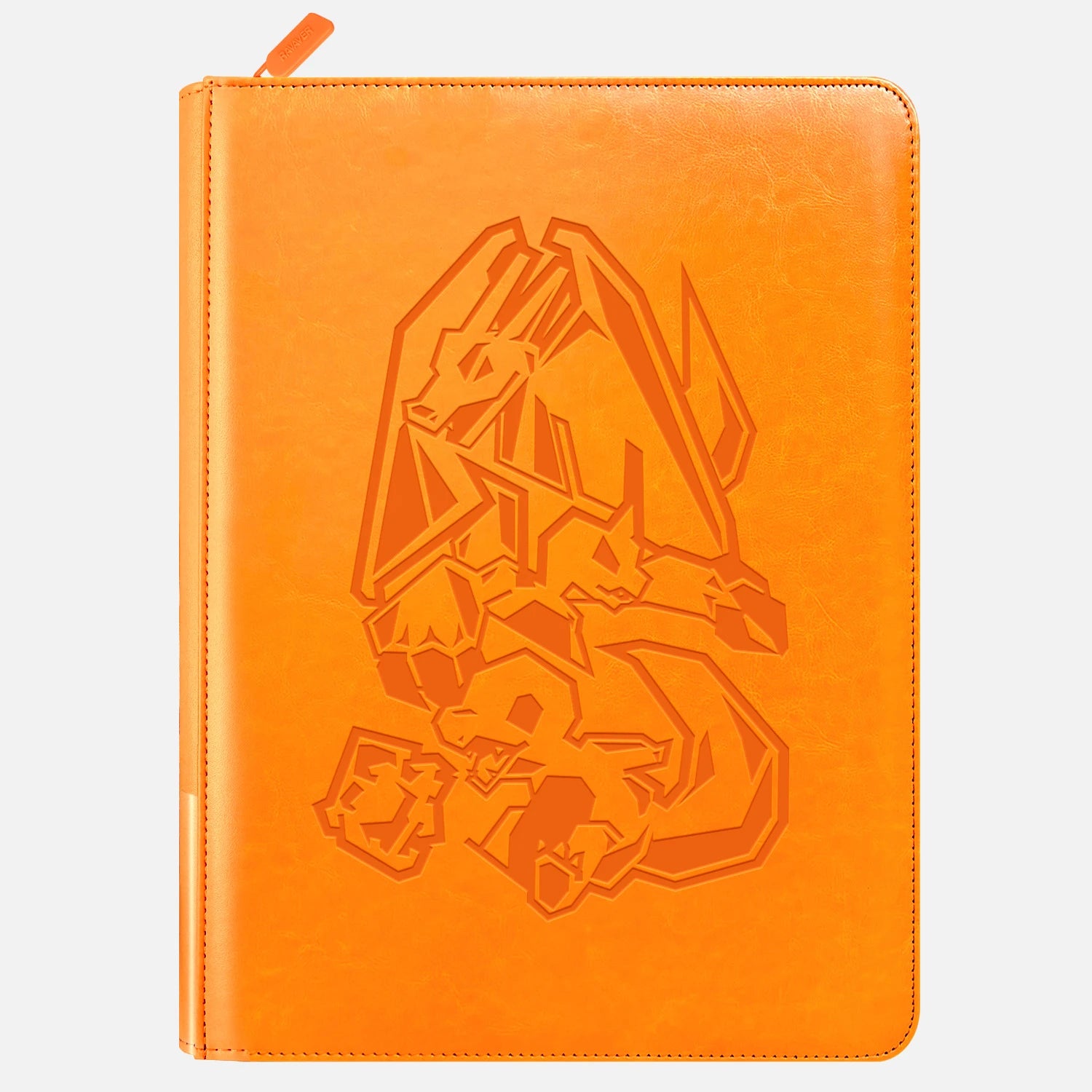
Two moves this month: get a collectibles rider on your insurance if you're past \$2,000 in total value, and audit your last 30 social media posts for location cues. Both take an hour or less and meaningfully reduce risk. If you're also thinking about the physical storage and display layer, the complete show-off setup guide covers how serious collectors balance visibility with protection. And for the working binder layer of that setup, the Ravaver binder collection is built to look like a real product on camera without needing to show the room around it.
Sources:
- CNN Business, “Pokemon cards are igniting an international crime spree,” April 2026, retrieved 2026-05-15, link
- GamingBible, “Thieves steal $200,000 Pokemon card collection,” retrieved 2026-05-15, link
- FOX 29 Philadelphia, “Shoplifter swipes nearly $10K in rare Pokemon cards,” retrieved 2026-05-15, link